
Families often ask one big question when they bring a new dog into their home: When can kids help with the family dog? It’s an important question, because dogs require daily care, consistency, and gentle handling — and many parents hope their children will play an active, positive role in raising a happy, well-adjusted pet. Knowing when can kids help with the family dog safely and responsibly depends on your child’s age, emotional maturity, and your dog’s temperament.
This guide breaks down each developmental stage, from toddlers to teenagers, and helps you decide when kids can help with the family dog in ways that are safe, meaningful, and supportive for both child and pup.
Is Your Child Ready for a Dog?
Before you decide when can kids help with the family dog, it’s important to assess whether your child is ready to participate in dog care at all. Readiness isn’t based solely on age — it’s based on maturity.
Signs your child is ready:
- They can follow simple instructions the first time asked.
- They use gentle hands during play.
- They understand boundaries like “don’t disturb the dog while eating” or “let the dog come to you.”
- They can stay calm around animals.
Signs your child may not be ready:
- They grab, poke, or squeeze animals.
- They run or shout around the dog.
- They cannot follow basic safety instructions.
- They treat the dog like a toy instead of a living being.
If these signs aren’t there, it may not yet be the right time to decide when can kids help with the family dog. Start by modeling good behavior yourself and letting your child observe gentle, respectful interactions.
Related: How to Teach Kids to Pet an Unknown Dog
Understanding Your Dog’s Needs First
A major part of determining when kids can help involves understanding your dog’s unique personality. Some dogs adore children; others need extra space, time, or structure.
Key factors:
- Temperament: Is your dog patient, nervous, energetic, or sensitive?
- Energy Level: High-energy dogs may overwhelm younger kids.
- Training History: A well-trained dog makes it easier for kids to help safely.
- Comfort Level: Does your dog enjoy being touched? Do they startle easily?
Every dog communicates through body language. Teaching your kids to understand signals like lip licking, yawning, or turning away plays an essential role in knowing when can kids help with the family dog safely and confidently.
Ages 3–5: Simple, Fully Supervised Tasks
At this age, children are still very young, so the question when can kids help with the family dog requires careful supervision. While preschoolers should never be responsible for dog care alone, they can enjoy small, structured tasks that help them feel included.
Safe tasks for ages 3–5:
- Holding the treat pouch during training
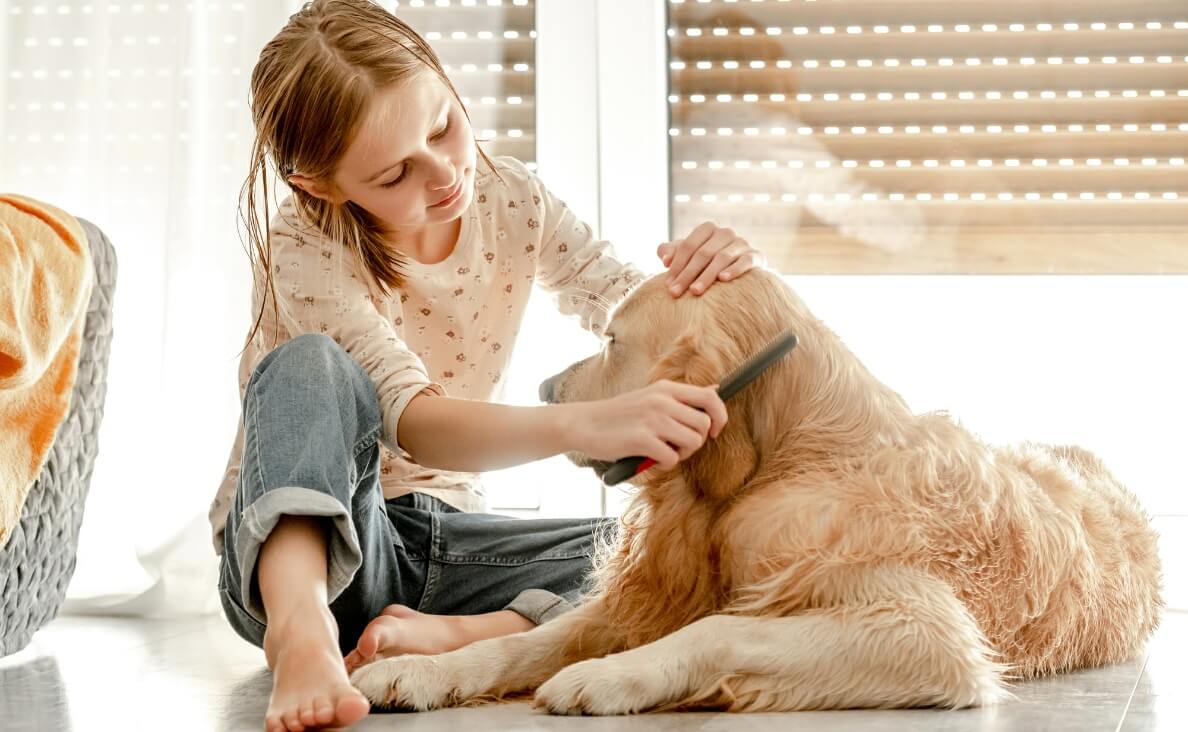
- Helping gently brush the dog
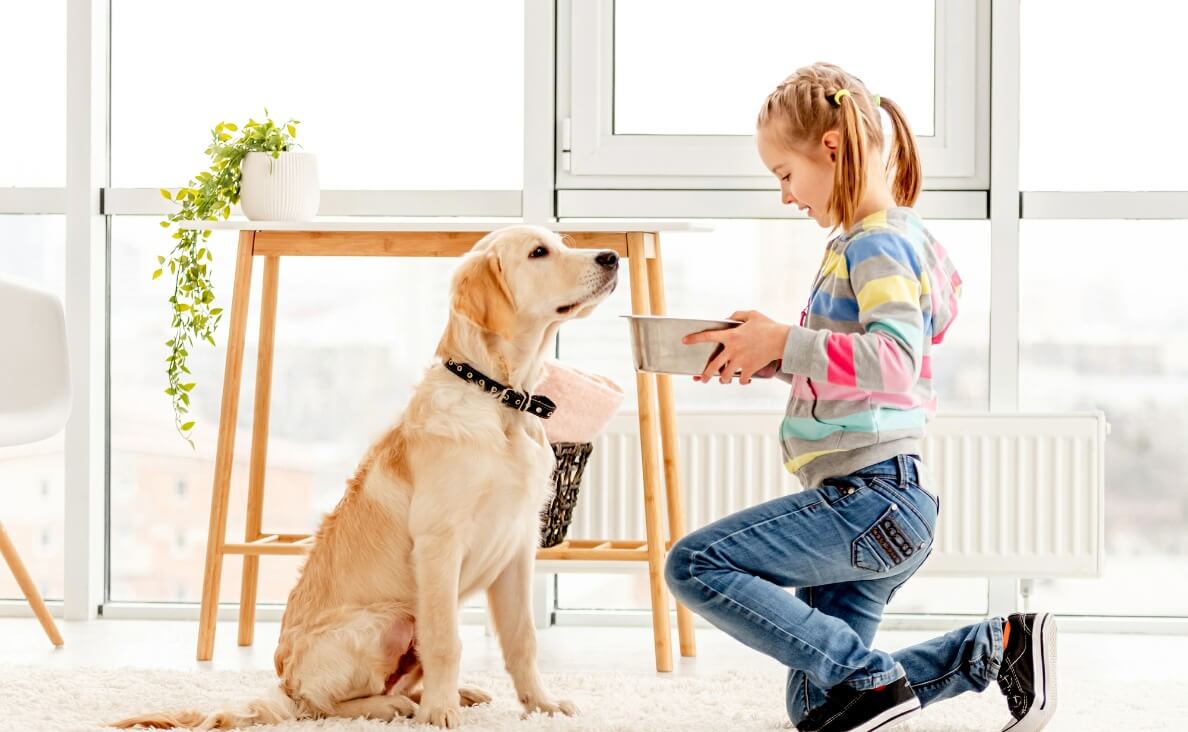
- Assisting with pouring water or food (while an adult holds the bowl)
- Helping “find” dog toys during cleanup
Toddlers and preschoolers learn best through imitation. You’ll still be doing all the real work, but they begin understanding what dog care looks like. When evaluating when kids can help at this age, remember: supervision must be constant.
Ages 6–8: Beginner Responsibilities
Children between ages 6 and 8 become more coordinated and responsible, which expands your options for when can kids help with the family dog. They can now participate in basic tasks with structure and oversight.
Good tasks for ages 6–8:
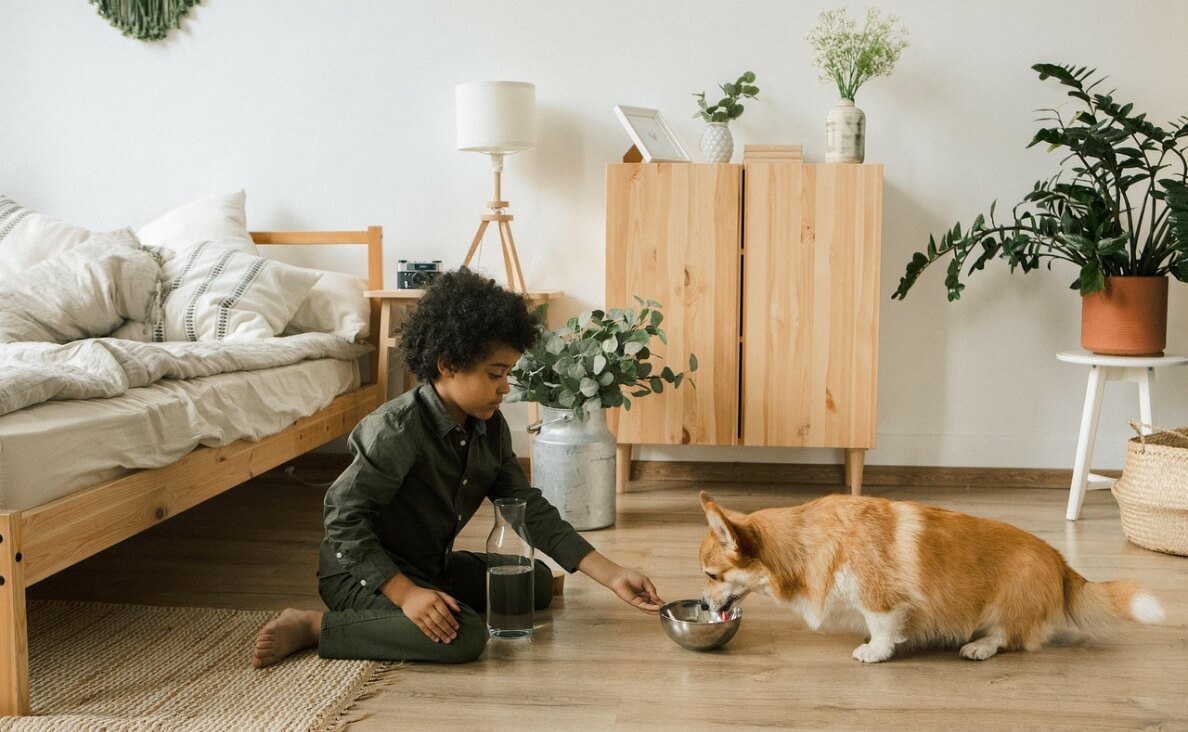
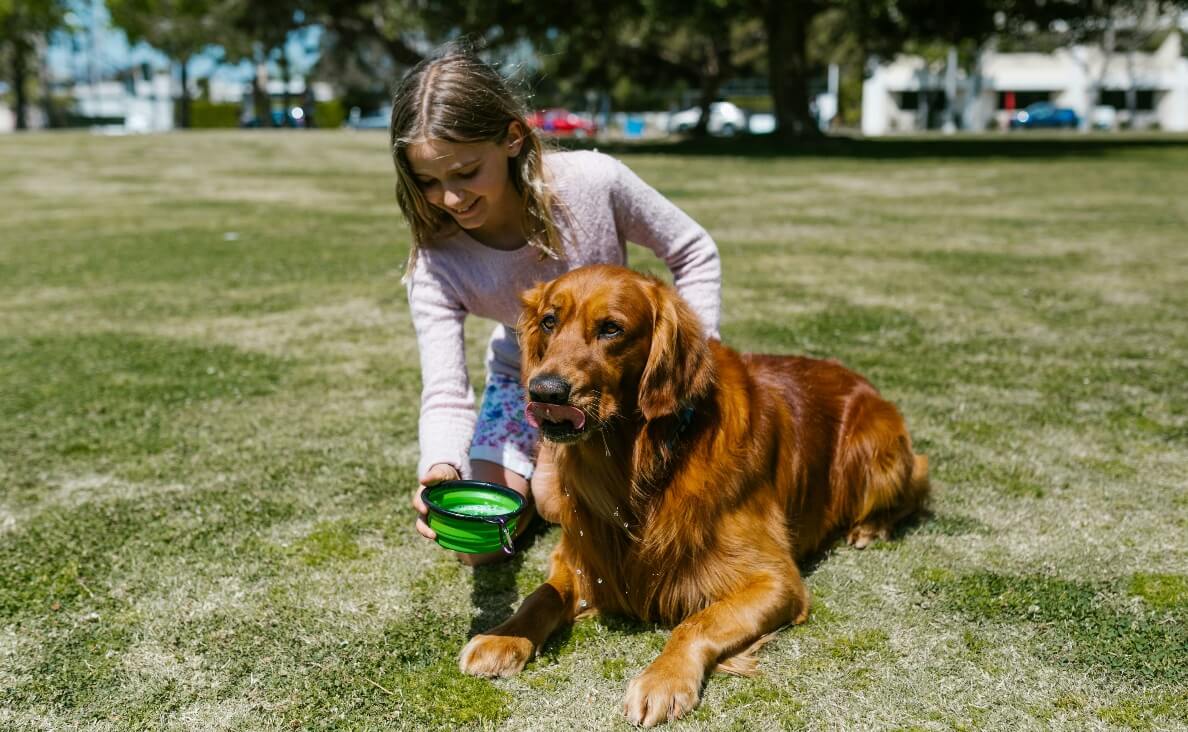
- Filling water bowls daily
- Helping measure food with adult guidance
- Cleaning and organizing the dog’s toy bin
- Practicing simple cues like “sit,” “stay,” or “shake” during family training sessions
Kids at this age love routines. If you choose this stage as when kids can help with the family dog, your child may begin developing consistent habits — with gentle reminders from you.
Ages 9–11: Moderate Independence
By this age, children begin taking more responsibility, which makes when can kids help with the family dog easier to answer. These kids generally understand cause and effect and can take on moderate care tasks.
Tasks for ages 9–11:
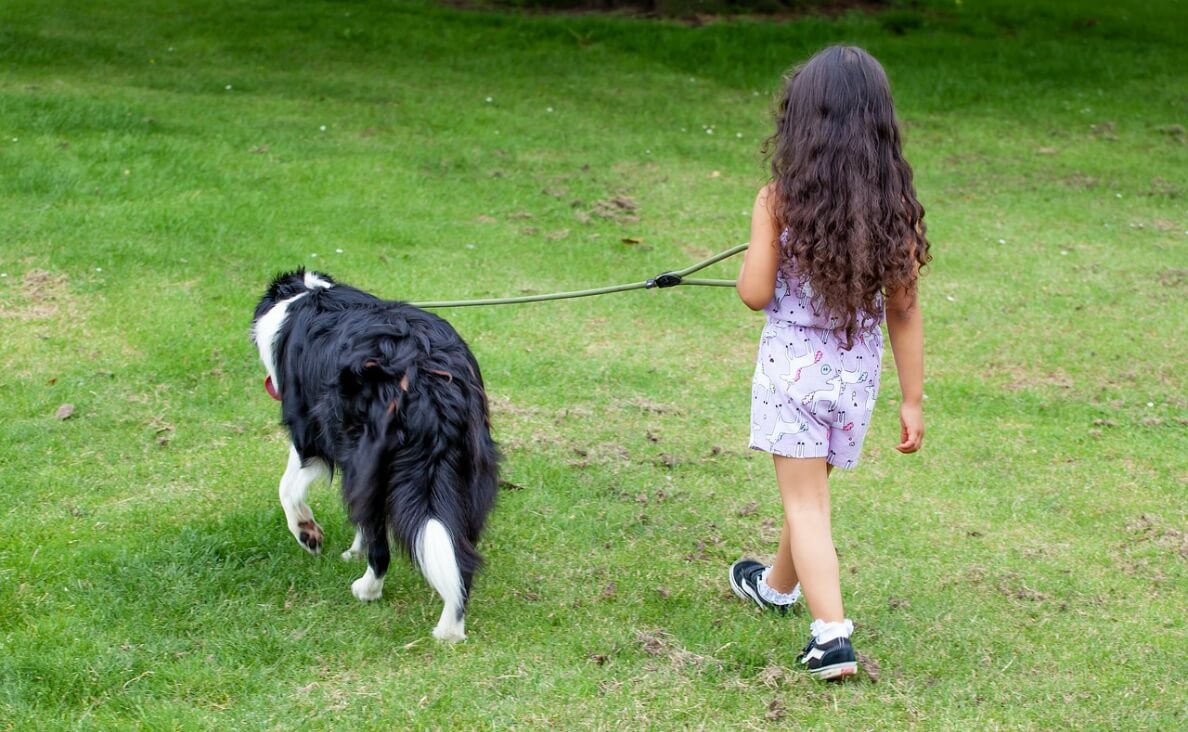
- Short, slow, leashed walks with an adult present
- Brushing the dog regularly
- Measuring food portions accurately
- Helping with training sessions, especially rewarding calm behavior
- Helping bathe calm dogs
Children in this age group often want to feel trusted. This is an excellent time to assess when can kids help with the family dog more independently — as long as safety rules remain non-negotiable.
Ages 12+: Advanced Responsibilities
Older kids can take on many meaningful responsibilities that genuinely help the family dog. By the preteen and early teen years, answering when can kids help with the family dog becomes simpler, because most children can follow detailed instructions and handle more complex tasks.
Good tasks for ages 12+:
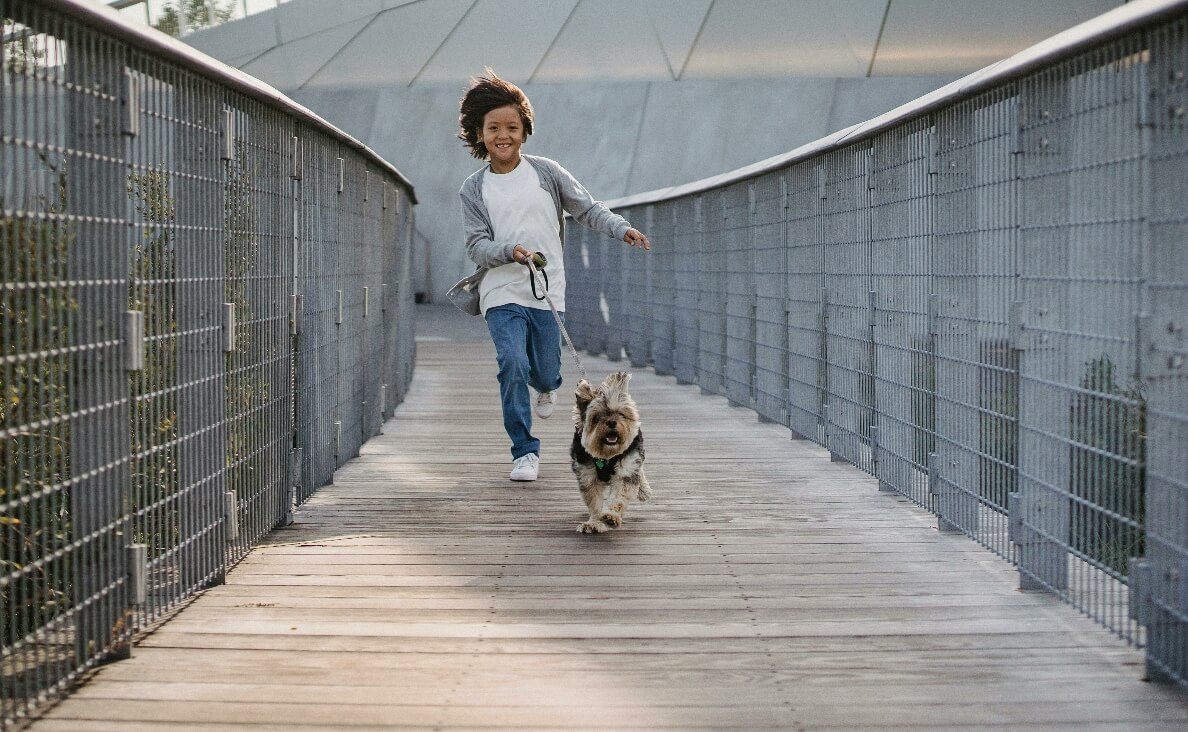
- Longer leashed walks
- Helping bathe the dog
- More advanced training like loose-leash practice
- Cleaning up after the dog in the yard
- Helping create feeding or walking schedules the family can follow
Supervision is still encouraged, but your child may now help consistently and confidently. If you haven’t yet decided when can kids help with the family dog, this age group is often the turning point where you can allow more self-guided participation.
Family Dog Care Responsibilities: Expectations vs. Reality
Parents often hope their children will take on daily care tasks once they determine when can kids help with the family dog — but real life looks different.
Common expectations:
- Kids will walk the dog every day
- Kids will always remember mealtimes
- Kids will fully handle grooming
The reality:
- Parents remain the primary caretakers
- Kids often forget, get busy, or need reminders
- Dogs rely on adult consistency for safety and stability
Rather than expecting children to take over care tasks, use when can kids help with the family dog as a guide for building life skills — not as the main support for dog care.
Even when kids forget a task—like taking the dog out on time—avoid saying things like ‘If you don’t help, we’ll have to give the dog away.’ Statements like these can be deeply traumatic for children and create fear around the family dog. They also send mixed signals about consequences and undermine the value of your words. Instead, focus on gentle reminders and consistent routines.
Tasks Kids Should Never Do
Regardless of your child’s age, some tasks should always be handled by adults. These boundaries are part of responsibly determining when can kids help with the family dog.
Kids should never:
- Walk powerful or reactive dogs alone
- Break up dog fights
- Administer medication
- Manage off-leash dog interactions
- Interact with anxious or fearful dogs without supervision
- Handle waste from a sick dog
These tasks carry too many risks — for both the child and the dog.
If you want to learn more about keeping your child safe around unfamiliar or off-leash dogs, read our guide on How to Protect Your Child From an Unleashed Dog.
Teaching Kids Safe Dog Interaction Skills
A major part of answering when can kids help with the family dog involves teaching safe interaction skills. Kids must learn how to behave respectfully and gently around animals.
Teaching kids to understand a dog’s body language is essential. The American Veterinary Medical Association offers excellent guidance on dog bite prevention that families can review together.
Teach kids to:
- Let the dog come to them
- Avoid hugging or climbing on the dog
- Keep hands soft, slow, and gentle
- Ask before petting any dog
- Recognize signs of stress (yawning, turning away, lip licking, pacing)
When kids learn these important rules early, the answer to when can kids help with the family dog becomes much more flexible and positive.
How Involving Kids Helps Your Dog
Once you understand when can kids help with the family dog, the benefits become clear.
Dogs benefit from:
- Increased socialization
- More mental stimulation
- Stronger family bonding
- Reduced anxiety through predictable routines
Kids benefit from:
- Building empathy
- Developing responsibility
- Learning confidence
- Strengthening communication skills
Helping a dog teaches children more than how to care for a pet — it teaches them how to care about another living being.
Related: Why Kids Who Have Dogs are Happier
When to Get Support From a Professional Trainer
Sometimes families need help deciding when can kids help with the family dog safely. A trainer can help when your dog:
- Jumps on kids
- Herds children
- Guards food or toys
- Feels nervous around quick movements
- Has trouble walking calmly on leash
A professional trainer can create age-appropriate structures that support your family’s needs and help everyone participate confidently.
FAQ: When Can Kids Help With the Family Dog?
-
What age is safe for kids to start helping with the family dog?
Most children can begin helping with very simple, fully supervised tasks around ages 3–5. At this stage, kids can gently brush the dog, help pour water with guidance, or participate in calm training sessions. Always supervise closely.
-
Can toddlers help with dog care?
Toddlers should not be responsible for dog care tasks. However, they can observe and learn gentle touch while a parent models appropriate behavior. This early exposure helps set the stage for future responsibility.
-
How do I know if my child is ready to help with our dog?
Your child is likely ready if they can follow instructions, use gentle hands, stay calm around the dog, and understand simple boundaries like “don’t bother the dog while eating.” If these signs aren’t present, wait before assigning tasks.
-
What are safe dog responsibilities for kids?
Depending on age, kids can safely help with brushing, filling water bowls, organizing dog toys, participating in training sessions, measuring food portions, and taking short supervised walks. Choose tasks that match your child’s maturity level.
-
What dog tasks should kids never do?
Some tasks are unsafe for kids at any age. Children should never walk a reactive or strong dog alone, administer medication, break up fights, handle off-leash dog encounters, or care for a sick or injured dog without adult involvement.
-
Can kids help train the family dog?
Yes, as long as an adult leads the session. Kids can help with simple cues like “sit” or “shake,” reward calm behavior, and join in fun training games. Training together strengthens the bond between your child and the family dog.
Conclusion
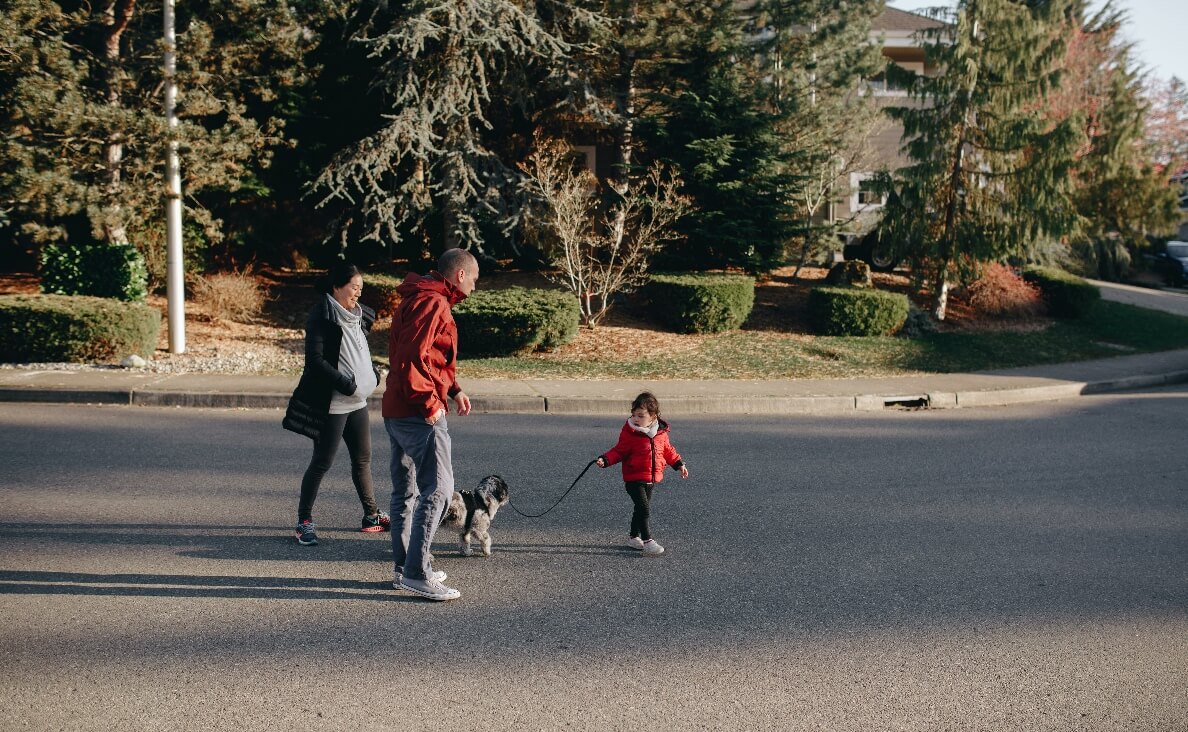
Deciding when can kids help with the family dog depends on your child’s age, maturity, and consistency — as well as your dog’s temperament and comfort level. Start small, supervise closely, and build responsibility over time. As kids grow, their ability to participate in dog care grows with them, creating a strong, joyful bond between your child and your family dog.
What age did your child start helping with your family dog — and what tasks did they enjoy most?
 Essentials to Pack When Boarding Your Dog
 [FREE DOWNLOAD] How to Choose the Best Dog Daycare for Your Puppy or Dog
 What to Do If Your Dog Eats Gum: Fast, Safe Steps
 National Pet Fire Safety Prevention Day
 Dog Friendly Ice Melt: Safe Ways to Clear Your Walkways




Leave a Reply