
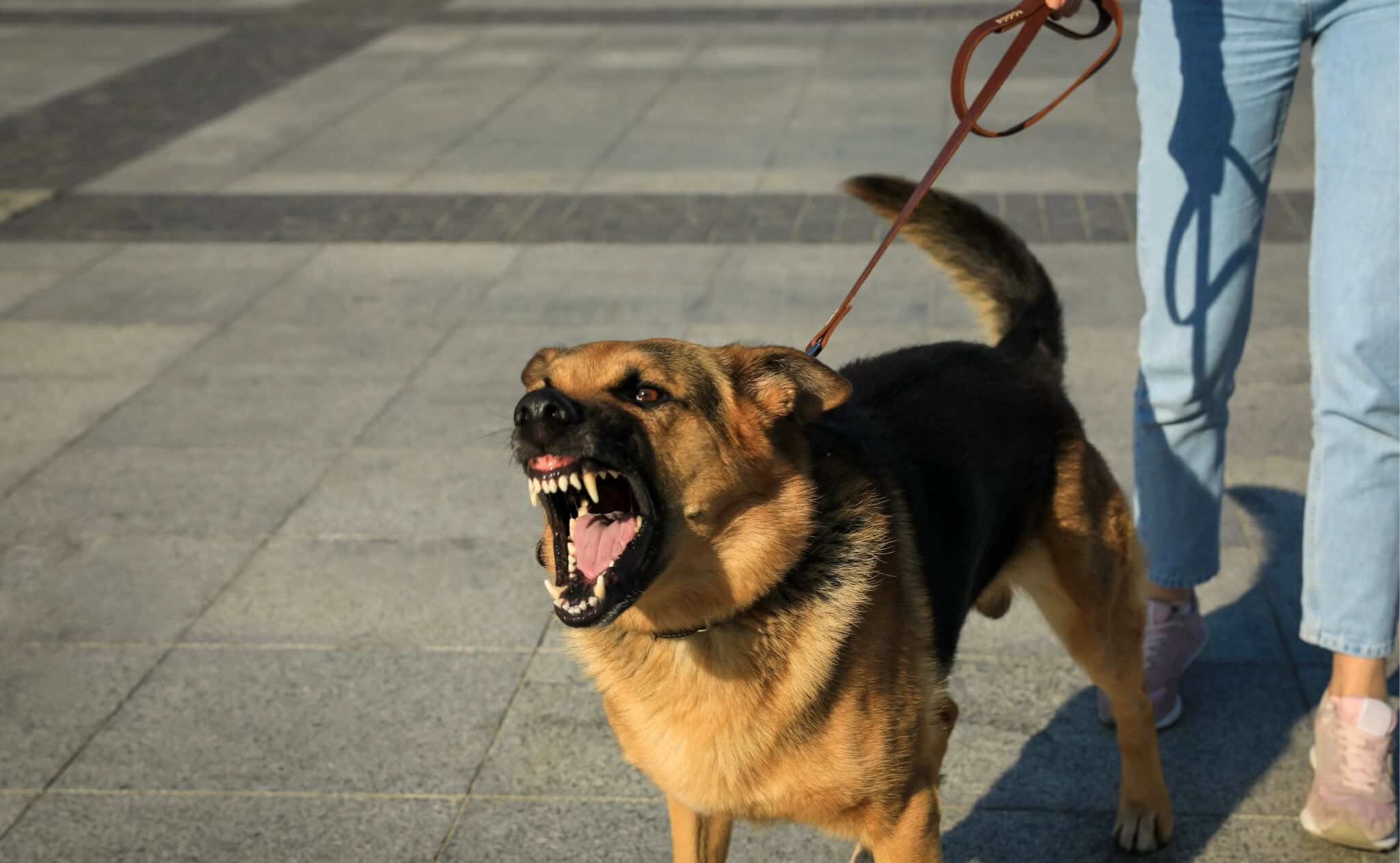
Walking your dog should feel calm and enjoyable—not stressful or overwhelming.
But if your dog barks, lunges, or reacts strongly to other dogs, people, or sounds, walks can quickly become something you dread. You might feel embarrassed, frustrated, or even start avoiding walks altogether.
If this sounds familiar, you’re not alone. Many dog owners struggle with having a reactive dog on walks, and it can feel confusing when your dog seems perfectly fine at home.
The good news is that reactivity isn’t “bad behavior.” It’s an emotional response—and once you understand what’s behind it, you can start helping your dog feel more comfortable and confident.
What Is a Reactive Dog on Walks?
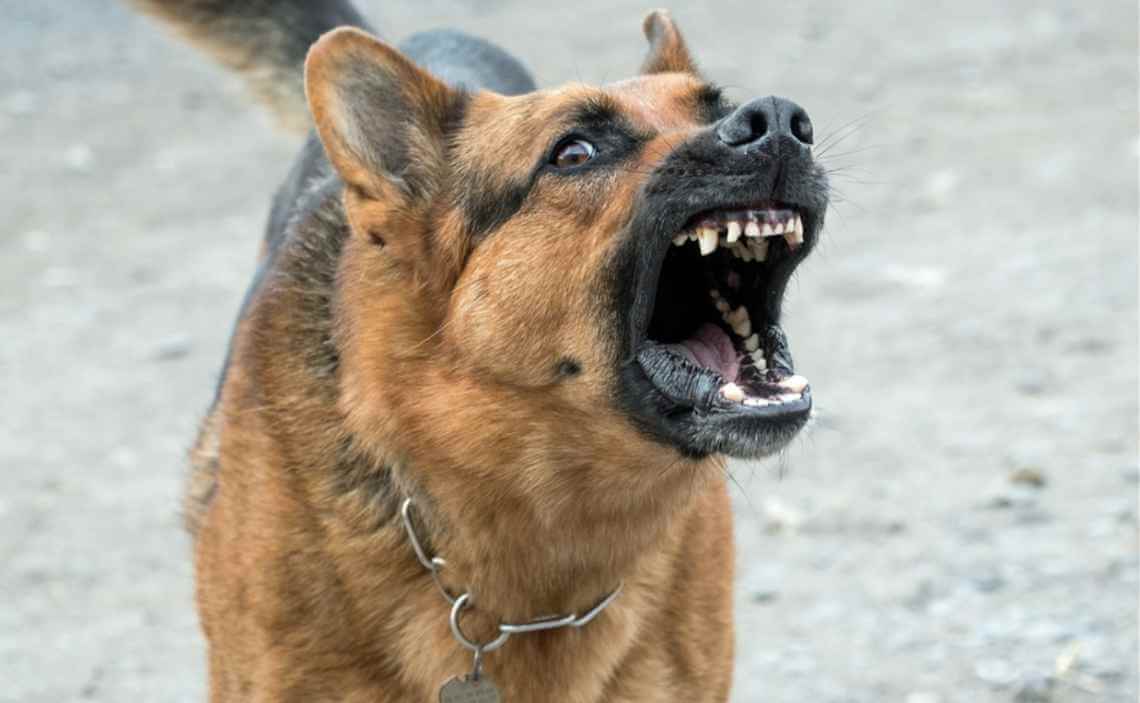
A reactive dog is one that overreacts to specific triggers, especially while on leash.
This often shows up as:
- Barking
- Lunging
- Growling
- Intense staring
In most cases, this behavior isn’t about aggression—it’s driven by fear, anxiety, or feeling overwhelmed.
Common triggers include:
- Other dogs
- People
- Bikes or cars
- Unexpected noises
Your dog isn’t trying to be difficult. They’re reacting because they don’t feel safe or don’t know how to handle what’s happening around them.
Behaviors to Watch For
If you’re not sure whether your dog is reactive, look for these signs:
- Barking or lunging at specific triggers
- Fixating or “locking on” to another dog or person
- Stiff body posture or raised hackles
- Freezing or trying to move away
These are early communication signals. The more you can recognize them, the sooner you can step in and help your dog before things escalate.
Why Dogs Become Reactive on Walks
There isn’t just one cause of reactivity. It’s usually a combination of factors:
- Limited early socialization
Dogs who didn’t have enough positive exposure to the world early on may feel unsure or overwhelmed. - Negative or overwhelming experiences
A scary or stressful encounter can leave a lasting impression. - Genetics and temperament
Some dogs are naturally more sensitive or alert. - Pain or medical issues
Discomfort can lower a dog’s tolerance and make reactions more likely.
Understanding the “why” matters—because it shifts your mindset from correcting behavior to supporting your dog emotionally.
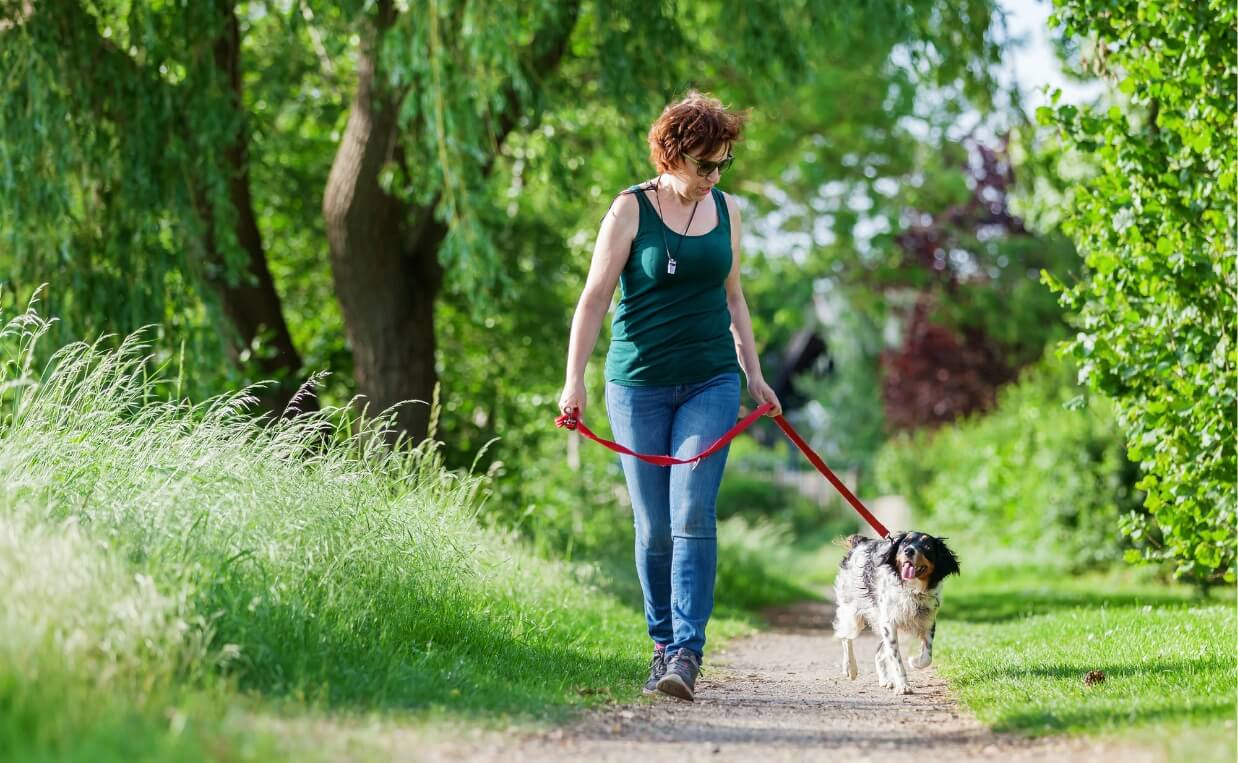
Why Reactivity Shows Up More on Walks
Many owners say, “My dog is fine at home—why does this only happen on walks?”
There are a few reasons:
- The leash removes choice
Your dog can’t move away from something that makes them uncomfortable. - Constant exposure to triggers
Walks are unpredictable—new dogs, people, and sounds can appear quickly. - Leash tension adds pressure
A tight leash can increase stress and signal that something is wrong. - Dogs go over threshold quickly
Once your dog is overwhelmed, they can’t think clearly or respond calmly.
This is why walks often feel like the hardest environment to manage.
Note: basic leash skills can help reduce tension during walks, but they don’t address the emotional side of reactivity. If your dog struggles with pulling, you can start with these leash training tips.
Is It Reactivity or Just Pulling on the Leash?
These behaviors can look similar—but they’re very different.
- Pulling on the leash is usually driven by excitement or energy.
The dog wants to move forward, explore, and engage. - Reactivity is an emotional response to a specific trigger.
The dog feels unsafe or overwhelmed.
A pulling dog needs training and structure.
A reactive dog needs support, space, and gradual confidence-building.
What Not to Do With a Reactive Dog
It’s natural to want to stop the behavior quickly—but some common approaches can make things worse:
- Punishing or correcting reactions
This can increase fear and anxiety. - Forcing your dog closer to triggers
This often overwhelms them further. - Allowing on-leash greetings
These can create tension and unpredictable interactions. - Ignoring early warning signs
Subtle signals come before bigger reactions—watch for them.
The goal isn’t to suppress behavior—it’s to change how your dog feels.
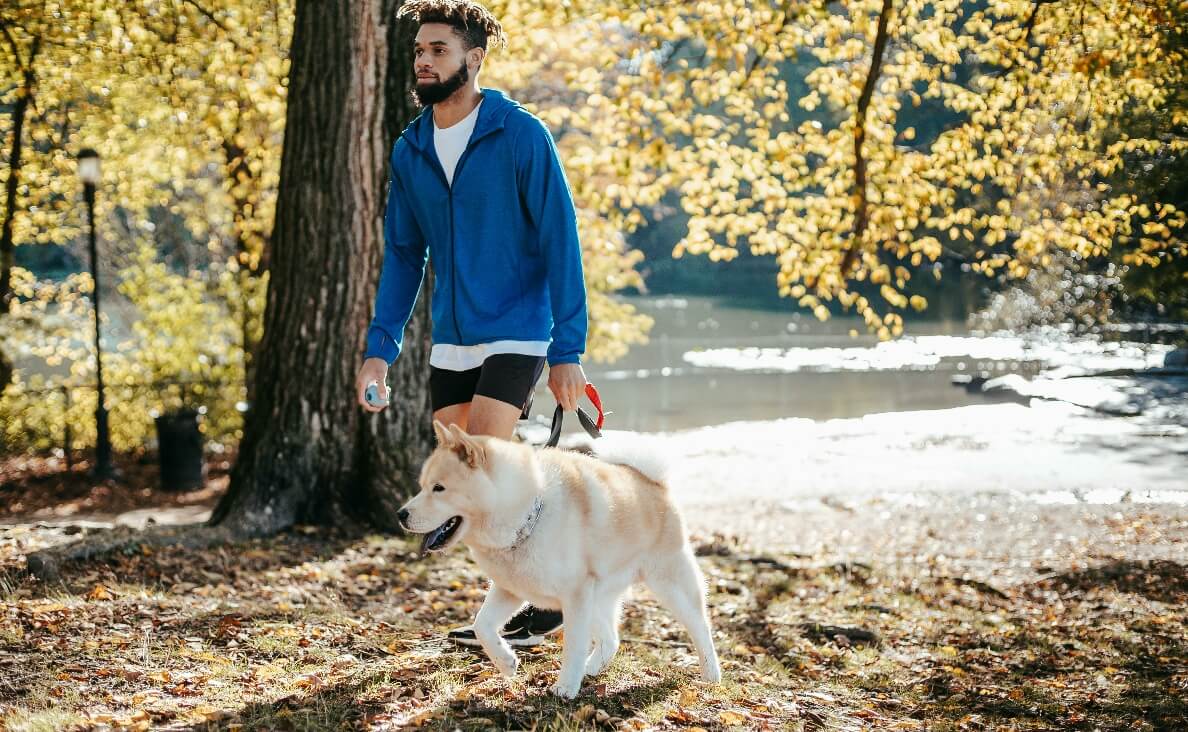
Steps to Help Your Reactive Dog on Walks
Start with simple, practical changes that set your dog up for success:
- Create distance from triggers
Give your dog space to feel safe. - Learn your dog’s threshold
Notice how close they can be to a trigger before reacting. - Choose quieter walking routes
Fewer triggers mean more successful experiences. - Keep walks shorter and calmer
Quality matters more than distance. - Set realistic expectations
Progress takes time—and that’s okay.
Small adjustments can make a big difference.
How to Calm a Reactive Dog on Walks
Helping your dog stay calm starts with preventing overwhelm.
- Keep your dog under threshold whenever possible
- Use a calm voice and relaxed body language
- Redirect your dog’s attention before they react
Stay Calm, Not Tense
Your dog is constantly reading you.
- A tight leash can increase their stress
- Sudden movements can add pressure
- Your calm presence helps your dog feel safer
The more grounded you are, the easier it is for your dog to settle.
Training Tips for a Reactive Dog
Long-term progress comes from consistency and patience.
- Use positive reinforcement
- Work in low-distraction environments first
- Gradually introduce more challenging situations
- Practice regularly, even in small sessions
Reward Progress, Not Perfection
- Reinforce calm behavior—even if it’s brief
- Celebrate small wins
- Avoid expecting too much too quickly
Progress with reactivity is often slow—but it’s meaningful.
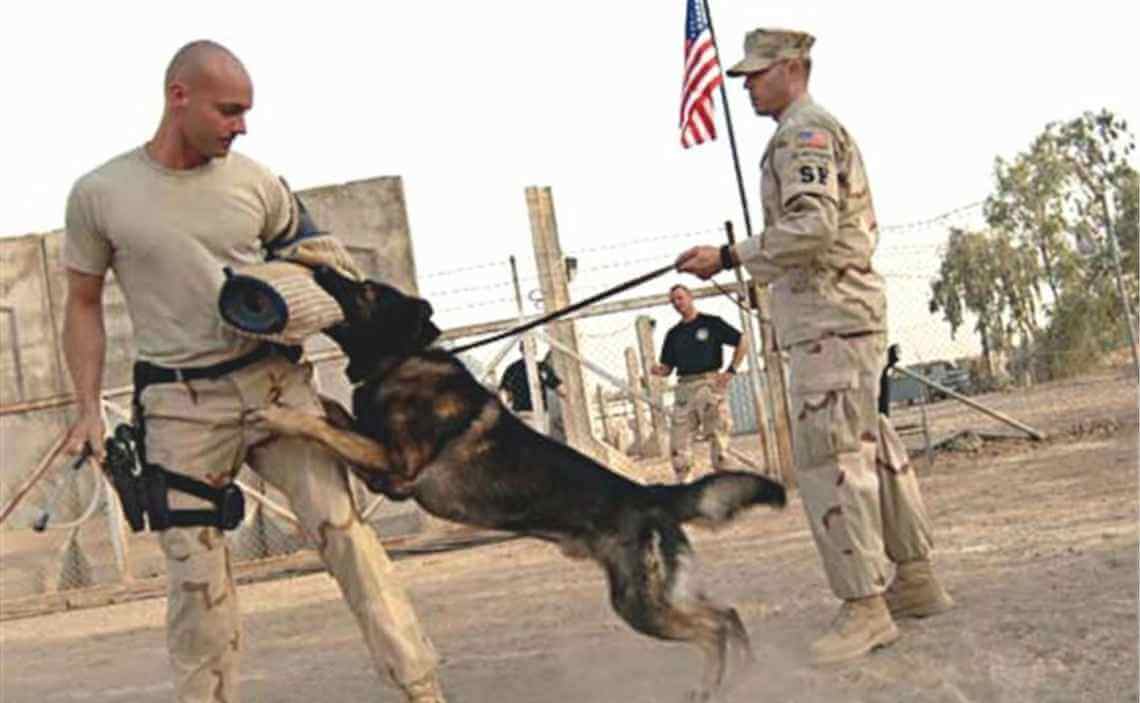
Does Breed Play a Role in Reactivity?
Yes—breed can influence behavior.
Some dogs are naturally more:
- Alert
- Sensitive
- Reactive to movement or sound
For example:
- Herding breeds may be more reactive to motion
- Guarding breeds may be more watchful of their environment
This doesn’t mean reactivity can’t be improved—it just provides helpful context.
Can You Socialize a Reactive Dog?
Yes—but it needs to be done carefully.
- Focus on controlled, gradual exposure
- Avoid overwhelming environments
- Prioritize calm, neutral experiences
Socialization for a reactive dog isn’t about forcing interaction—it’s about helping them feel safe around the world.
Can Daycare Help Prevent Reactivity?
In some cases, yes.
A well-run daycare environment can:
- Provide structured exposure to other dogs
- Help build social skills
- Increase confidence over time
Dogs who regularly experience calm, positive interactions are often more comfortable in social settings.
That said, not all daycare environments are the same. It’s important that dogs are:
- Properly supervised
- Matched with appropriate playgroups
- Supported by experienced staff
A thoughtful, structured setting can make a meaningful difference.
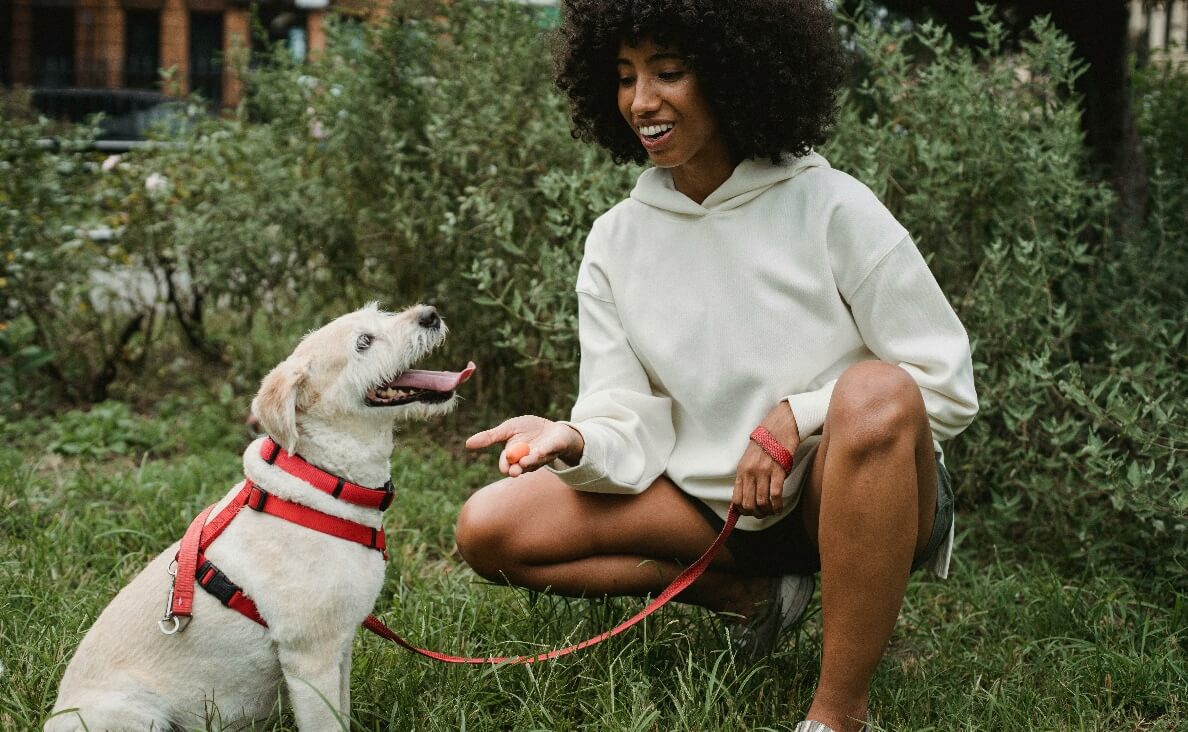
When to Get Professional Help
Some situations require additional support.
Consider working with a professional if:
- Your dog’s reactions are intense or escalating
- There are safety concerns
- You’re not seeing progress on your own
A qualified trainer or behaviorist can help guide you through a structured plan.
How Canine Campus Can Support Your Dog
At Canine Campus, our structured dog daycare program is designed to help dogs build confidence and social skills in a safe, supervised environment.
With experienced staff and thoughtful group management, dogs have the opportunity to:
- Build confidence
- Practice social skills
- Experience a more balanced, comfortable environment
For some dogs, this kind of setting can be a helpful part of their overall progress.
Frequently Asked Questions About Reactive Dogs on Walks
Why is my dog only reactive on walks?
Many dogs react more on walks because they’re on a leash and can’t move away from triggers. This can make them feel trapped or overwhelmed.
Can a reactive dog be trained to walk calmly?
Yes. With consistent training, patience, and the right approach, many reactive dogs can learn to stay calmer and more focused on walks.
How long does it take to improve reactivity?
It depends on the dog. Some improve in weeks, while others need months of consistent work. Small progress over time is the goal.
Should I avoid walking my reactive dog?
Not completely, but it can help to choose quieter routes and times of day so your dog has fewer stressful encounters.
Is my dog aggressive or just reactive?
Most reactive dogs are not aggressive. Their behavior is usually driven by fear or anxiety, not a desire to harm.
Can daycare help with a reactive dog?
In some cases, a well-managed daycare environment can help dogs build confidence and social skills through positive, structured interactions.
Final Thoughts
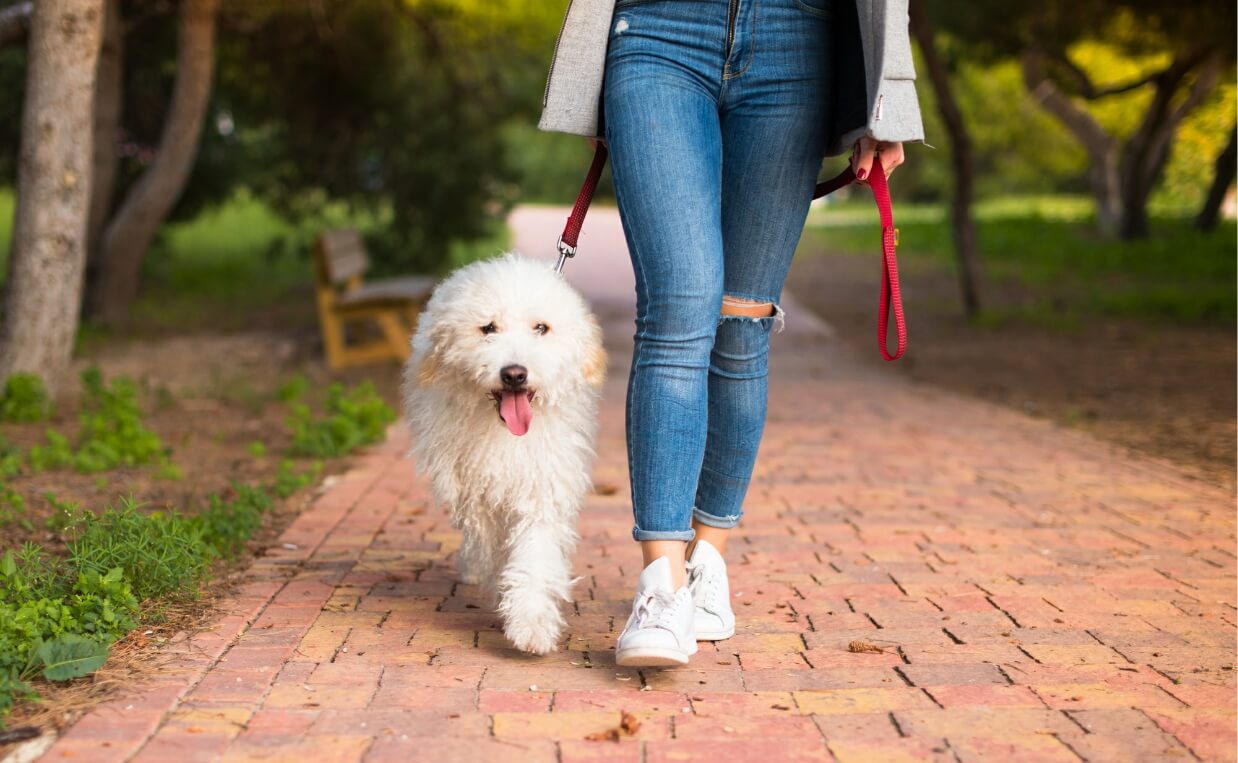
Having a reactive dog on walks can feel overwhelming—but it’s not something you have to face alone.
With patience, consistency, and the right approach, many dogs learn to feel more comfortable and confident over time.
Small steps matter. Progress matters.
And your dog is capable of more than you might think.
Has your dog shown signs of reactivity on walks? What have you tried so far?
 How to Teach Your Dog to Drop It
 Bitter Apple Spray for Dogs: Pros, Cons, and Top Alternatives
 How to Teach Your Dog Not to Steal
 9 Tips for Getting Your Dog to Stop Barking
 5 Things You Can Easily Forget When Training Your Dog




Leave a Reply