
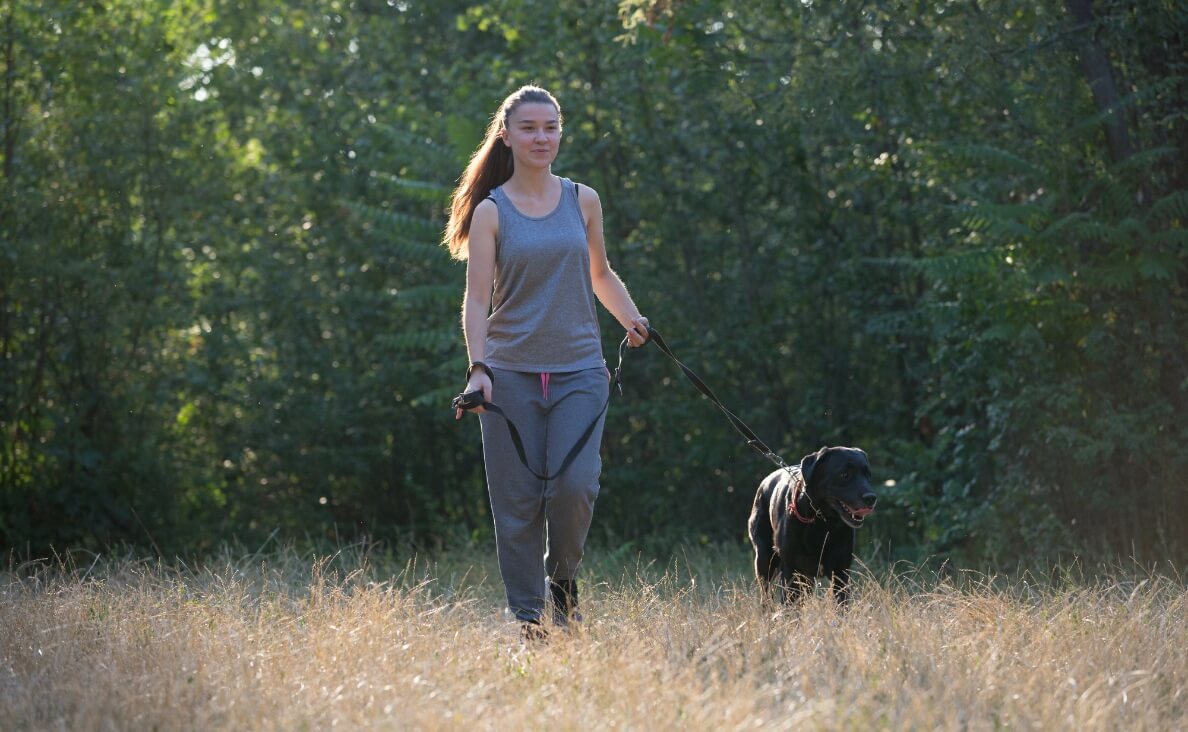
Colorado offers countless opportunities for outdoor adventures with our dogs. From neighborhood walks and local parks to mountain trails and camping trips, many dogs spend a significant amount of time exploring the outdoors during the spring and summer months.
Unfortunately, outdoor adventures can come with hidden hazards. Two of the most common—and often overlooked—are cheatgrass and foxtails. While these plants may seem harmless, their barbed seed heads can cause painful injuries and even lead to serious medical complications if they become embedded in a dog’s body.
The good news is that with a little awareness and a few simple preventive measures, you can significantly reduce your dog’s risk. In this guide, we’ll explain what cheatgrass and foxtails are, why they’re dangerous, how to recognize the warning signs, and what you can do to keep your dog safe.
What Are Cheatgrass and Foxtails?
Cheatgrass is an invasive grass commonly found throughout Colorado. As it dries during late spring and summer, it produces sharp, barbed seed heads that can easily attach to fur, clothing, and equipment.
The term “foxtail” is often used to describe similar barbed seed heads produced by several grass species. Whether you encounter cheatgrass or another foxtail-producing grass, the danger is the same: the seeds are designed to move in one direction.
Unlike a burr that simply sticks to fur, a foxtail can continue working its way forward through a dog’s coat and even into the skin. Once embedded, it cannot easily back out on its own.
Why Are Cheatgrass and Foxtails Dangerous for Dogs?
The unique structure of foxtail seeds is what makes them so problematic.
Each seed is covered with tiny barbs that allow it to move deeper into fur and tissue. As a dog walks, runs, scratches, or licks, the seed can continue migrating forward.
This can lead to:
- Pain and irritation
- Skin infections
- Abscesses
- Damage to the eyes
- Ear injuries
- Respiratory complications
- Surgical removal in severe cases
Because the seeds are small and often difficult to see, many owners don’t realize there’s a problem until their dog begins showing symptoms.
Where Cheatgrass and Foxtails Commonly Affect Dogs
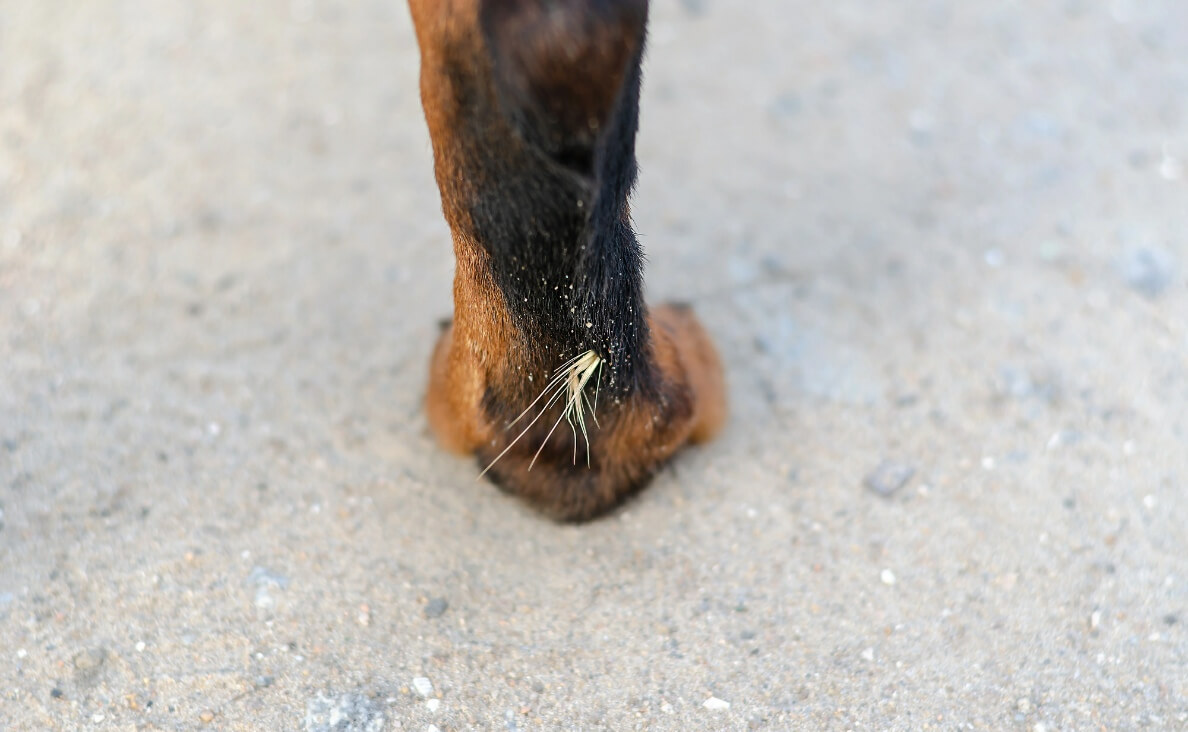
Paws and Between the Toes
A dog’s paws are one of the most common places for foxtail injuries.
Seeds can become trapped between the toes or in the fur surrounding the paw pads. As the dog walks, the seed may work deeper into the skin.
Dogs with longer fur between their toes may be at higher risk because seeds can easily become hidden.
Nose and Sinuses
Dogs naturally explore the world through their noses. Unfortunately, this curiosity can sometimes lead them to inhale foxtail seeds.
Once inside the nasal passages, a seed can cause significant irritation and may continue migrating deeper into the sinuses.
Ears
Foxtails can also enter the ear canal, particularly in dogs that spend a lot of time running through tall grass.
An embedded seed in the ear can cause severe discomfort and may require veterinary removal.
Eyes
A foxtail lodged in or around the eye can quickly become an emergency.
The seed can scratch the surface of the eye and lead to infection or more serious injury if not treated promptly.
Skin and Coat
Foxtails often become trapped beneath the coat, especially in areas such as:
- Armpits
- Groin area
- Chest
- Belly
- Behind the ears
Thick-coated and long-haired dogs may be particularly susceptible because seeds can remain hidden for days before symptoms appear.
Signs Your Dog May Have a Cheatgrass or Foxtail Injury
Recognizing the symptoms early can help prevent a minor problem from becoming a major one.
Paw-Related Symptoms
Watch for:
- Excessive paw licking
- Chewing at the feet
- Limping
- Swelling between the toes
- Redness or tenderness
Nose-Related Symptoms
Signs may include:
- Sudden, repeated sneezing
- Pawing at the nose
- Nasal discharge
- Bleeding from the nose
Ear-Related Symptoms
Common warning signs include:
- Head shaking
- Scratching at the ears
- Tilting the head
- Sensitivity when the ear is touched
Eye-Related Symptoms
Look for:
- Excessive tearing
- Squinting
- Redness
- Eye discharge
- Pawing at the eye
Skin-Related Symptoms
A seed that has penetrated the skin may cause:
- Swelling
- Lumps
- Drainage
- Persistent irritation
- Pain when touched
If symptoms appear suddenly after time spent outdoors, a foxtail injury should be considered as a possibility.
Protecting Your Dog From Cheatgrass and Foxtails
The best treatment is prevention.
Choose Walking and Hiking Routes Carefully
Whenever possible, avoid areas with dense patches of dry grass and seed heads.
Stay on well-maintained trails and keep dogs away from overgrown fields, vacant lots, and roadsides where cheatgrass is common.
Colorado offers countless opportunities to explore the outdoors with your dog. If you’re looking for places to hike together, check out our guide to the 35 Best Dog-Friendly Hiking Trails in Colorado Springs. Before heading out, take a few minutes to research trail conditions and be aware of seasonal hazards such as cheatgrass and foxtails.
Inspect Your Dog After Every Walk
A quick inspection only takes a few minutes and can prevent much larger problems.
Pay special attention to:
- Between the toes
- Around the paw pads
- Inside and around the ears
- Around the eyes
- Under the collar
- Armpits and groin area
- Tail feathering and long fur
The sooner a seed is found, the easier it is to remove.
For additional tips on maintaining healthy paws year-round, read our article Dog Paw Care 101: Keep Your Pup’s Paws Healthy.
Keep Fur Trimmed
Regular grooming can reduce the likelihood of seeds becoming trapped.
Many owners choose to keep the fur between their dog’s toes neatly trimmed during foxtail season. Trimming excessive hair around the ears may also help reduce risk.
Regular grooming can reduce the likelihood of seeds becoming trapped in your dog’s coat. Many owners choose to keep the fur between their dog’s toes neatly trimmed during foxtail season. Dogs with longer coats may also benefit from regular grooming to help identify hidden seeds before they become a problem. Learn more about our professional dog grooming services and how routine grooming can help keep your dog comfortable and healthy year-round.
Consider Protective Gear
For dogs that frequently hike in areas with cheatgrass, protective dog boots may provide an additional layer of defense.
While boots won’t eliminate all risk, they can significantly reduce exposure to seeds entering the paws.
While boots won’t eliminate all risk, they can help reduce exposure to seeds entering the paws. Not sure whether your dog would benefit from footwear? Read our article Does Your Dog Need Shoes for Paw Protection? to learn when dog boots may be helpful.
How to Safely Remove Cheatgrass and Foxtails From Your Dog
If you discover a foxtail before it becomes embedded, prompt removal is important.
If the Seed Is Visible on the Coat
Use your fingers or a fine-toothed comb to remove the seed immediately.
Inspect the surrounding fur carefully, as multiple seeds are often present.
If the Seed Is Between the Toes
Gently separate the toes and inspect the area.
If the entire seed is clearly visible and resting on the surface, you may be able to remove it carefully with your fingers or tweezers.
Do not dig into the skin or attempt to remove a seed that appears embedded.
After Removal
Continue monitoring the area for several days.
Watch for:
- Redness
- Swelling
- Drainage
- Persistent licking
- Signs of pain
Even if the seed appears to have been removed successfully, complications can occasionally develop.
When NOT to Attempt Removal
Seek veterinary care instead if the seed is:
- In the nose
- In the ear canal
- In the eye
- Embedded beneath the skin
- Causing significant pain
Attempting removal in these situations can worsen the injury and delay proper treatment.
When to Seek Veterinary Care Immediately
Contact your veterinarian promptly if your dog experiences:
- Persistent sneezing
- Sudden eye irritation
- Continuous head shaking
- Ear pain
- Swelling or drainage
- Difficulty breathing
- Severe limping
- Any suspected embedded seed
Early treatment is often simpler, less invasive, and less expensive than waiting for symptoms to worsen.
Frequently Asked Questions
Are Cheatgrass and Foxtails the Same Thing?
Not exactly. Cheatgrass is a specific invasive grass species, while “foxtail” is a general term often used to describe barbed seed heads from several grass species. Both can pose similar risks to dogs.
What Time of Year Are Foxtails Most Dangerous in Colorado?
Risk is generally highest during late spring, summer, and early fall when grasses dry out and produce mature seed heads.
Can Cheatgrass or Foxtails Kill a Dog?
While uncommon, serious complications can occur if a seed migrates deep into the body and is left untreated. Prompt veterinary care greatly reduces the risk of severe outcomes.
Can Indoor Dogs Be Affected?
Yes. Even dogs that spend most of their time indoors can encounter cheatgrass and foxtails during walks, potty breaks, or outdoor playtime.
How Often Should I Check My Dog During Foxtail Season?
Ideally, inspect your dog after every outdoor adventure. A quick check can help catch problems before they become serious.
Final Thoughts
Colorado’s trails, parks, and open spaces provide incredible opportunities to enjoy the outdoors with your dog. By understanding the risks associated with cheatgrass and foxtails, you can take simple steps to keep those adventures safe and enjoyable.
A few minutes spent checking your dog’s paws, ears, eyes, and coat after each outing can make all the difference. Early detection and prevention are your best tools for avoiding painful injuries and costly veterinary visits.
We’d Love to Hear From You
Have you ever found a cheatgrass or foxtail seed on your dog? What precautions do you take during Colorado’s dry summer months? Share your experiences and tips in the comments below!
 What To Do If Your Dog is Hit By a Car
 How to Protect Your Dog from Wildfire Smoke This Summer
 How to Stop Dog Aggression Toward Other Dogs
 National Pet Poison Awareness Week – March 18 – 24, 2018
 How to Keep Your Dog Safe from Venomous Snakes in Colorado




Leave a Reply