
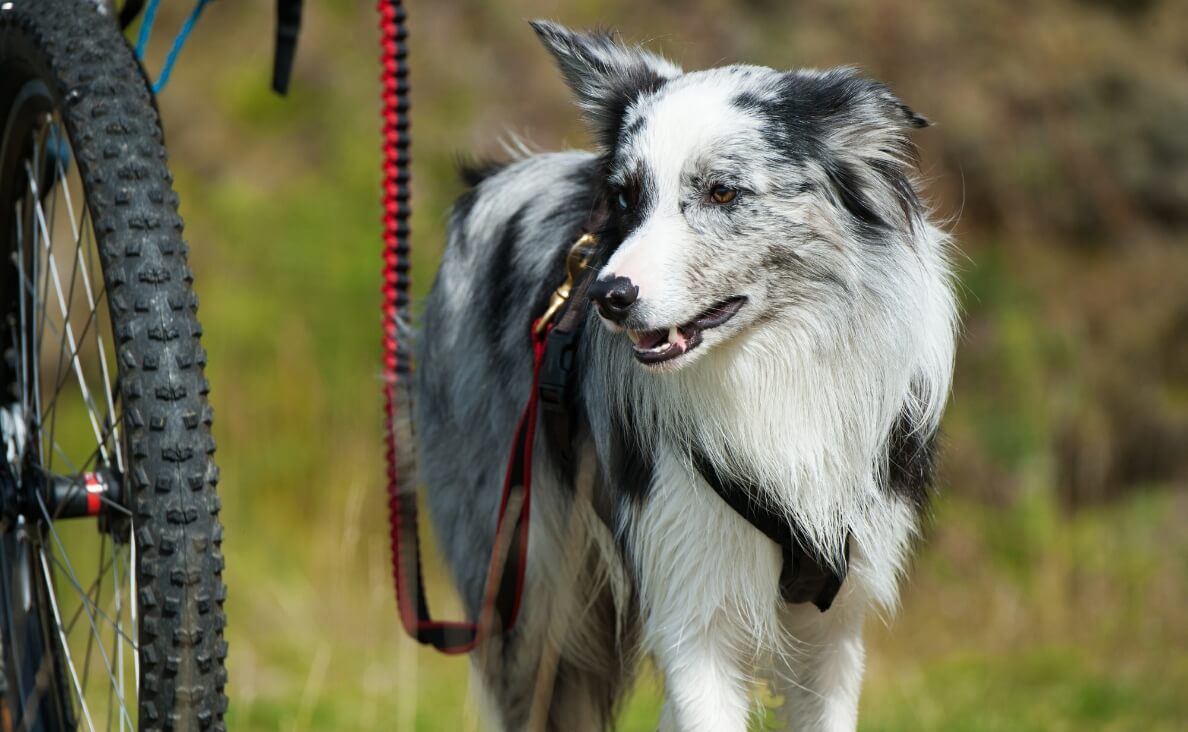
Biking with a dog may seem like a fun way to exercise together, but it is not always the safest option for every dog. Before heading out on two wheels, it is important to understand the benefits, risks, and safer alternatives available for keeping your dog active and healthy.
Is Biking With Your Dog Safe?
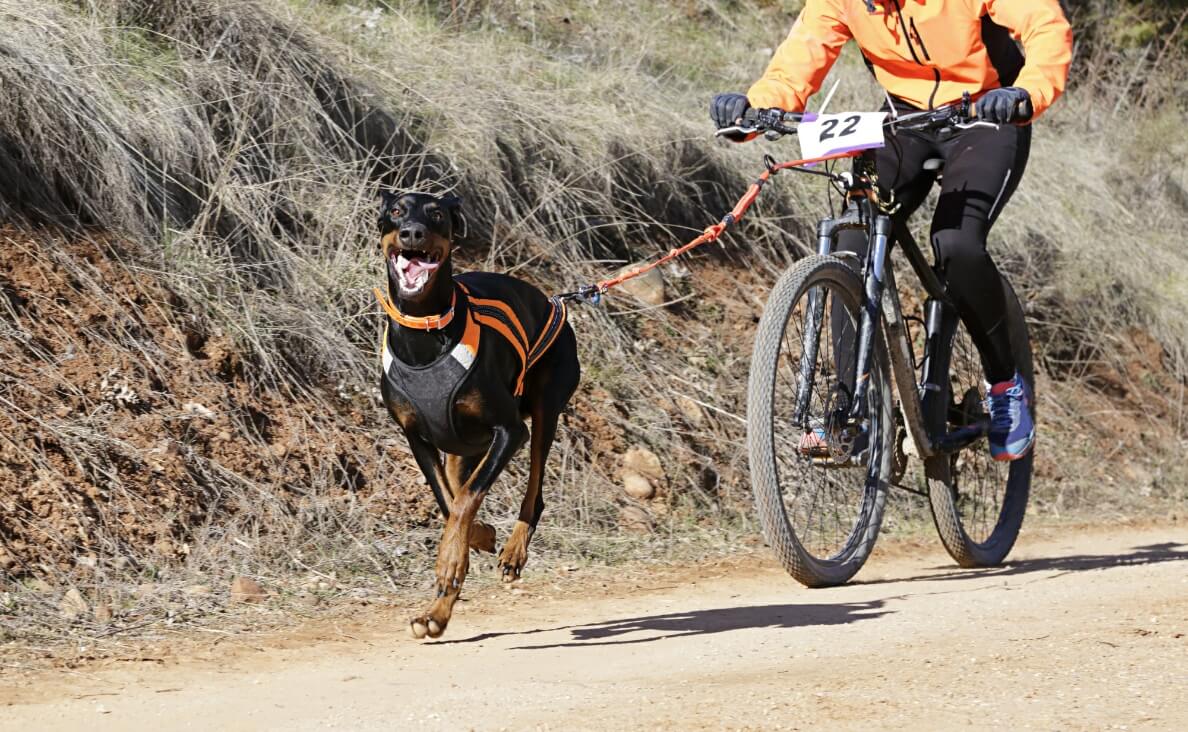
Many dog owners wonder, “is biking with your dog safe?” The truth is that the answer depends on several factors, including your dog’s age, breed, health, temperament, and physical conditioning.
Some healthy, athletic adult dogs may safely enjoy running alongside a bicycle under controlled conditions. However, many dogs are not physically suited for this type of activity. Puppies, senior dogs, flat-faced breeds, and dogs with medical conditions can face serious health and safety risks when biking.
Even for healthy dogs, biking comes with challenges such as traffic, hot pavement, sudden distractions, and the risk of overexertion. Before beginning any strenuous exercise routine, it is always wise to consult your veterinarian.
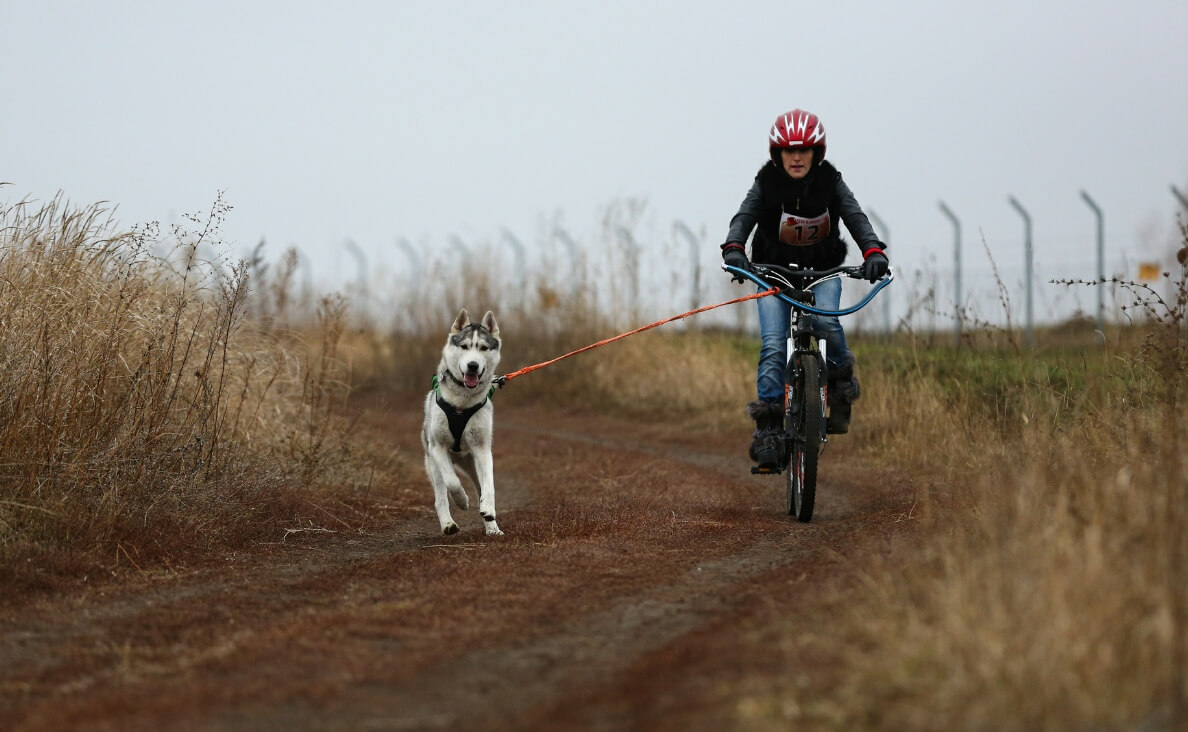
Potential Benefits of Biking With Your Dog
When done carefully and appropriately, biking may offer some benefits for certain dogs.
Exercise for High-Energy Dogs
High-energy dogs often need more physical activity than a simple walk around the block. Biking can help some active breeds burn excess energy and reduce boredom-related behaviors such as chewing, digging, or excessive barking.
Mental Stimulation
Outdoor exercise provides more than just physical benefits. New smells, sights, and environments can help mentally stimulate your dog and encourage engagement with the world around them.
Bonding Opportunity
Many dogs enjoy spending time outdoors with their owners. Shared activities can strengthen the relationship between you and your dog while encouraging healthy routines.
Conditioning for Athletic Dogs
Some athletic working breeds may tolerate controlled bike running better than others. However, proper conditioning and gradual training are extremely important to avoid injuries.
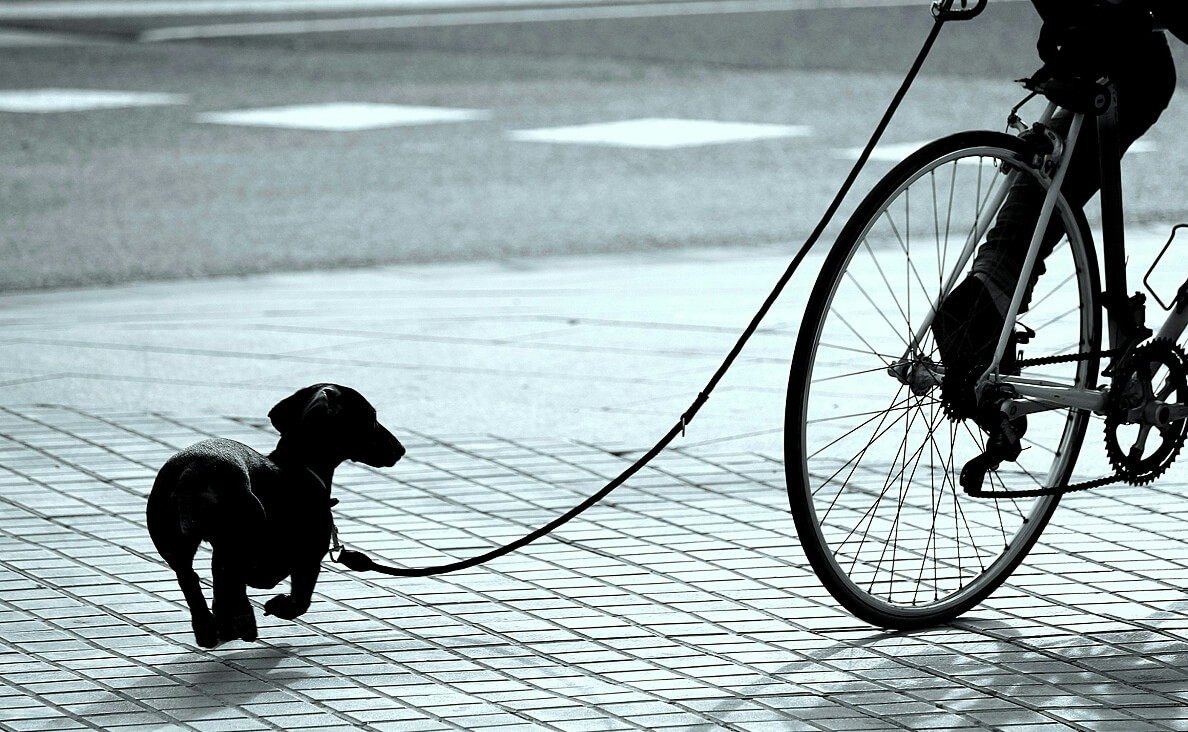
Before You Bike With Your Dog
Before deciding whether biking is appropriate for your dog, there are several important factors to consider.
Consider Your Dog’s Age
Puppies should never run beside a bicycle. Their bones and growth plates are still developing, and repetitive impact can increase the risk of long-term joint damage.
Senior dogs may also struggle with biking due to arthritis, reduced endurance, or age-related mobility issues.
Evaluate Your Dog’s Health
Dogs with heart disease, arthritis, respiratory problems, hip dysplasia, or previous injuries may not be good candidates for biking. Even dogs that appear healthy may have underlying conditions that make strenuous exercise risky.
Know Your Dog’s Breed and Energy Level
Some athletic breeds may naturally have greater endurance, while others tire quickly. Flat-faced breeds such as Bulldogs and Pugs are especially vulnerable to overheating and breathing difficulties during intense exercise.
Consider Your Dog’s Temperament
Reactive, fearful, or easily distracted dogs may become overwhelmed while biking. Sudden pulling, lunging, or chasing behavior can create dangerous situations for both the dog and rider.
Think About Weather and Terrain
Hot pavement can burn paw pads quickly during warm weather. Rough terrain, heavy traffic, and crowded bike paths can also increase safety risks.
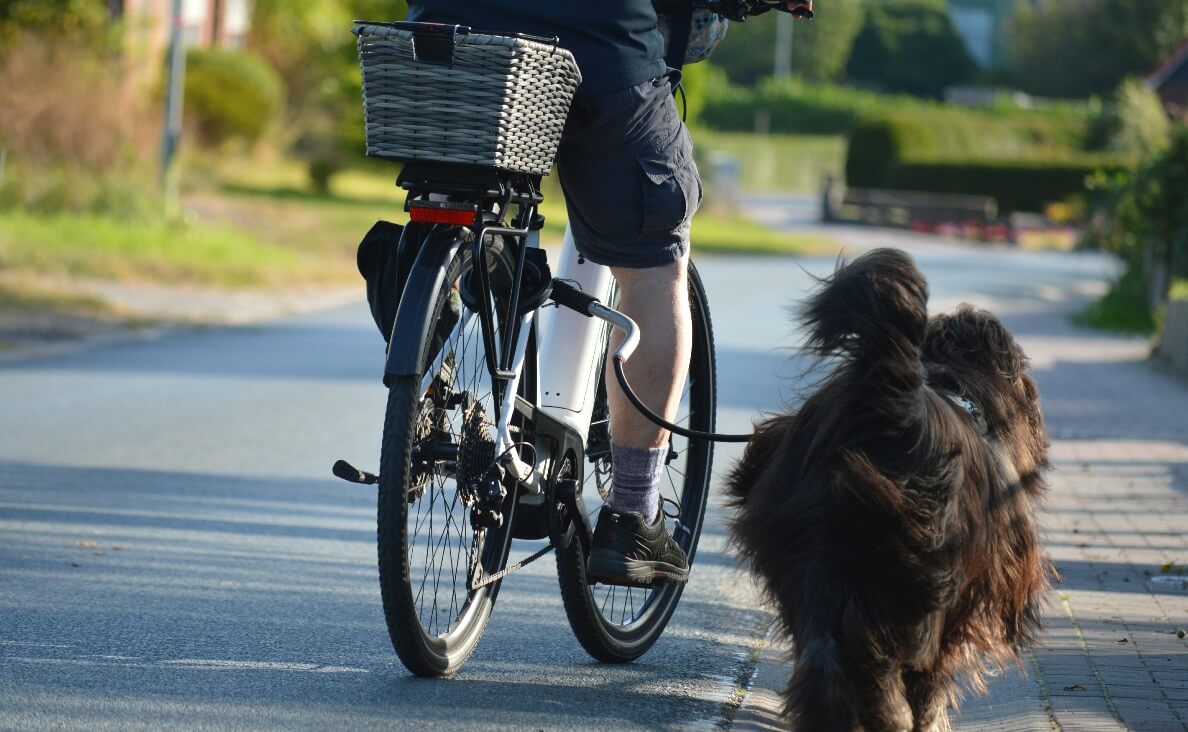
Risks of Biking With Your Dog
Although biking may sound like a healthy activity, there are several important risks to understand.
Joint and Injury Risks
Running on hard pavement repeatedly can place stress on your dog’s joints, paws, spine, and muscles. Over time, repetitive impact may contribute to injuries or chronic pain.
Heat Exhaustion and Burned Paw Pads
Dogs can overheat much faster than humans. Even mild temperatures may become dangerous during strenuous exercise. Asphalt and concrete can also become hot enough to burn paw pads within minutes.
Watch carefully for signs of overheating, including:
- excessive panting
- drooling
- weakness
- slowing down
- bright red gums
Traffic and Environmental Hazards
Cars, wildlife, loose dogs, pedestrians, and unexpected distractions can quickly turn a bike ride dangerous. Even well-trained dogs may react unpredictably in busy environments.
Leash Entanglement and Bicycle Accidents
A sudden pull on the leash can easily throw a cyclist off balance. Bicycle attachments are not foolproof, and accidents can happen quickly if a dog changes direction unexpectedly.
Overexertion
One of the biggest concerns is that dogs often continue running even when they are tired or uncomfortable. Some dogs will push themselves beyond safe limits simply because they are excited to stay with their owner.
When to Introduce Your Dog to Bike Rides
If you decide biking may be appropriate for your dog, proper preparation is essential.
Wait Until Your Dog Is Fully Grown
Dogs should be fully mature before participating in strenuous running activities beside a bicycle. This helps protect developing joints and bones.
Start with Basic Obedience
Dogs should already understand loose leash walking and basic commands before attempting bike rides. Reliable focus and impulse control are extremely important.
Build Conditioning Gradually
Dogs need gradual conditioning just like humans do. Jumping into long rides too quickly increases the risk of injury and exhaustion.
How to Start Biking With Your Dog Safely
If your veterinarian approves biking for your dog, start slowly and prioritize safety.
Introduce the Bicycle Slowly
Allow your dog to become comfortable around the bike before riding together. Some dogs may initially feel nervous around moving wheels or unfamiliar sounds.
Walk Beside the Bike First
Practice walking your dog beside the bike before attempting to ride. This helps your dog learn positioning and expectations safely.
Begin with Short Sessions
Start with short, slow rides and gradually increase distance over time. Frequent breaks are important, especially during warm weather.
Use Proper Equipment
A well-fitted harness is generally safer than attaching a leash to a collar, which can strain the neck. Reflective gear may also improve visibility during early morning or evening rides.
Choose Safe Locations
Quiet neighborhoods, bike paths, or low-traffic areas are much safer than busy streets.
Watch Your Dog’s Body Language
Pay close attention to signs of stress, fear, overheating, or fatigue. If your dog begins lagging behind, panting heavily, or refusing to continue, stop immediately.
What to Bring Along on Bike Rides With Your Dog
Preparation can help make bike rides safer and more comfortable.
Water and a Portable Bowl
Dogs need regular hydration during exercise, especially in warm weather.
Poop Bags
Always clean up after your dog during outdoor activities.
Treats for Reinforcement
Positive reinforcement can help encourage calm, focused behavior.
Reflective Gear or Lights
Visibility is important when biking near roads or during lower light conditions.
Paw Protection if Needed
Some dogs may benefit from paw protection on rough terrain or hot surfaces.
Dogs That Should Not Run Beside a Bicycle
Some dogs simply are not good candidates for biking.
This may include:
- puppies
- senior dogs
- flat-faced breeds
- dogs with medical conditions
- reactive dogs
- fearful dogs
- very small dogs
For these dogs, safer forms of exercise are often a much better choice.
Safer Alternatives to Biking With Your Dog
Fortunately, there are many other ways to keep dogs physically and mentally active.
Long Sniff Walks
Sniff walks provide excellent mental enrichment and allow dogs to explore at a natural pace.
Hiking
Hiking often offers softer terrain and more flexibility than biking.
Fetch and Structured Play
Games such as fetch can provide bursts of exercise while allowing better control over intensity and duration.
Flirt Pole Exercise
Flirt poles can be an excellent option for high-energy dogs needing physical and mental stimulation.
Doggy Daycare and Supervised Play
Structured daycare programs like those offered at Canine Campus can provide dogs with supervised exercise, enrichment, and socialization opportunities in a controlled environment.
Puzzle Toys and Enrichment Games
Mental stimulation is just as important as physical exercise for many dogs.
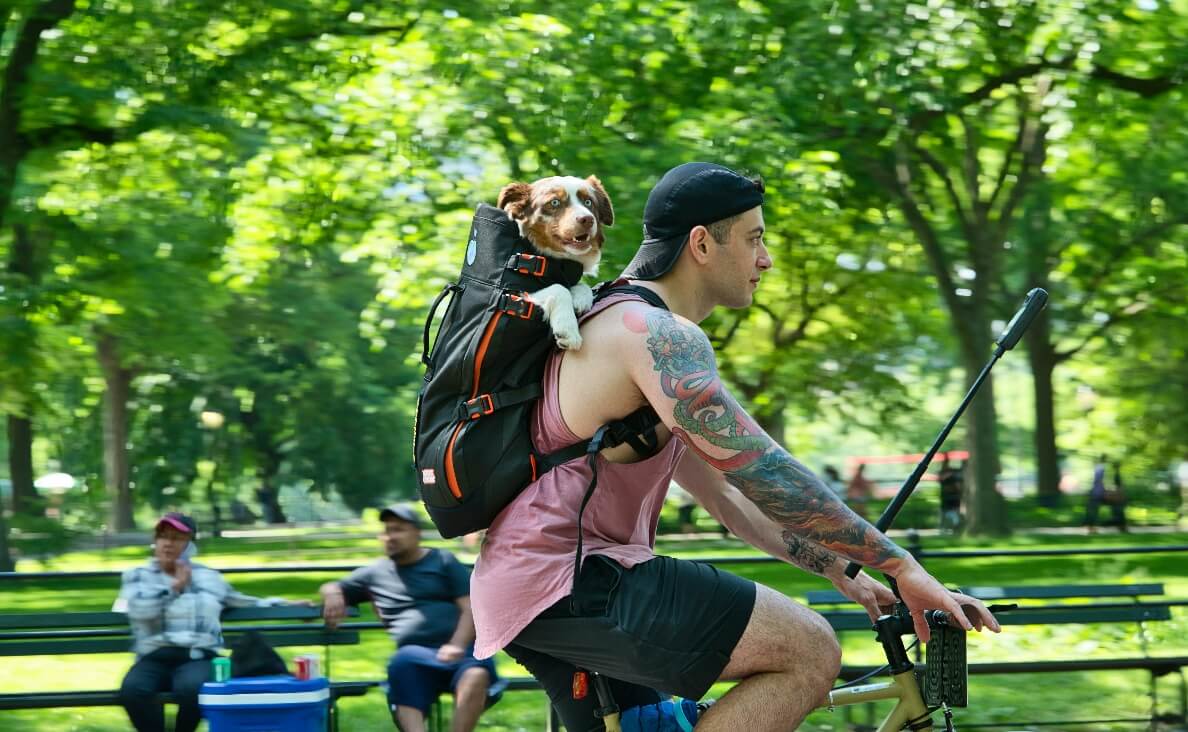
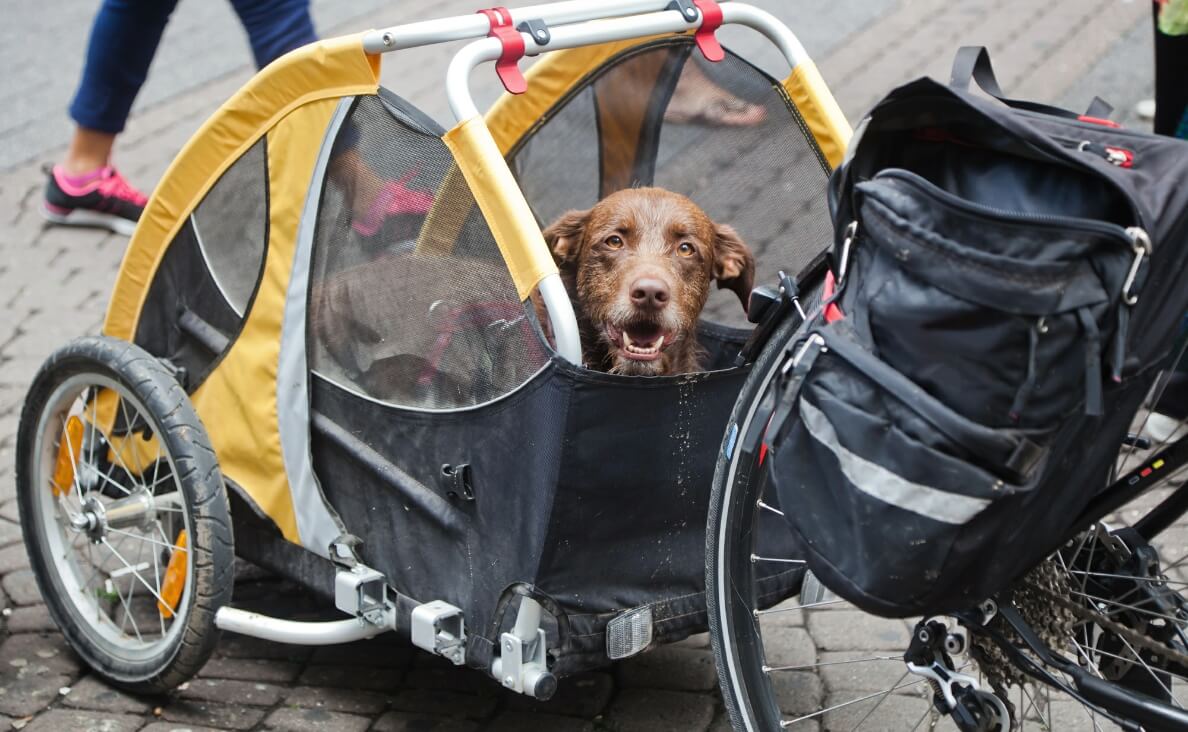
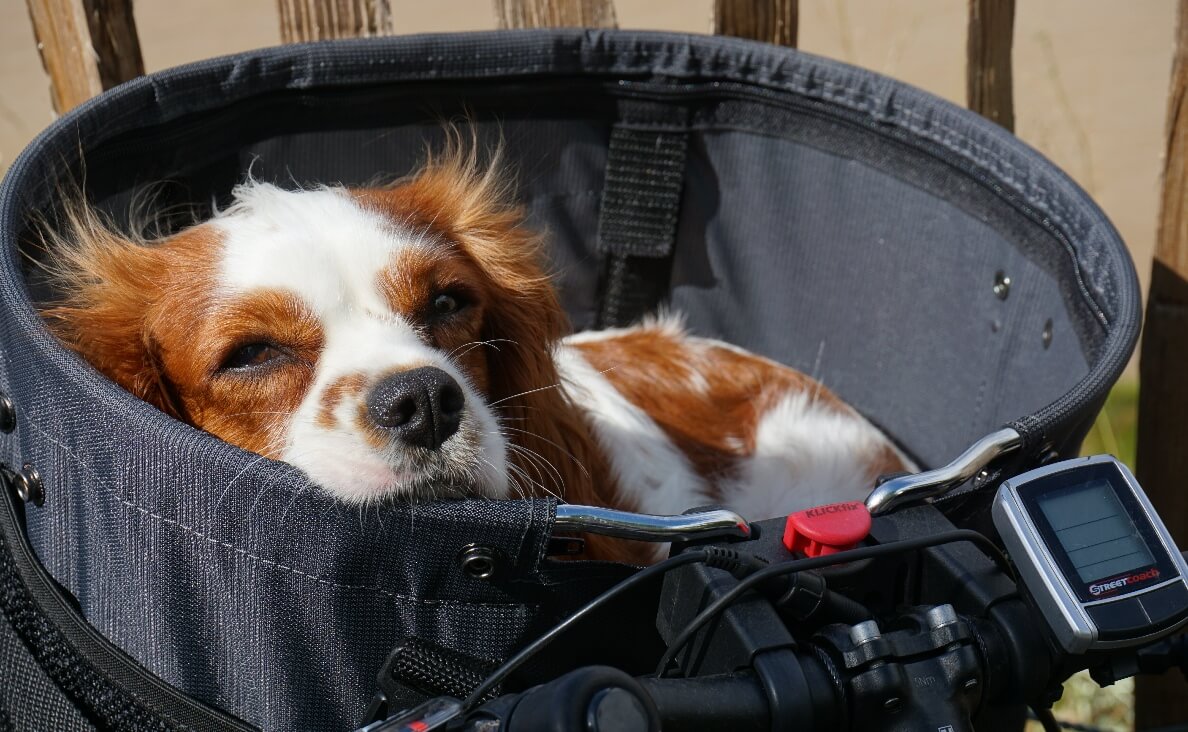
Cargo Bikes, Bike Trailers, and Dog Carriers
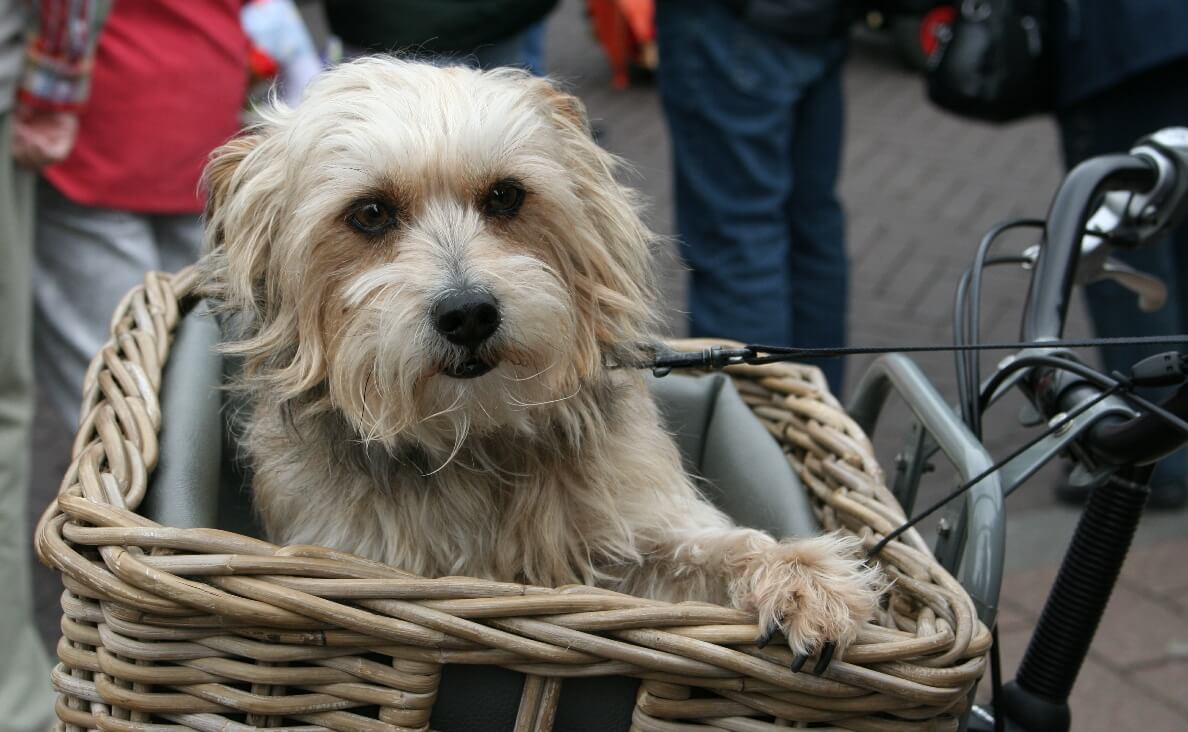
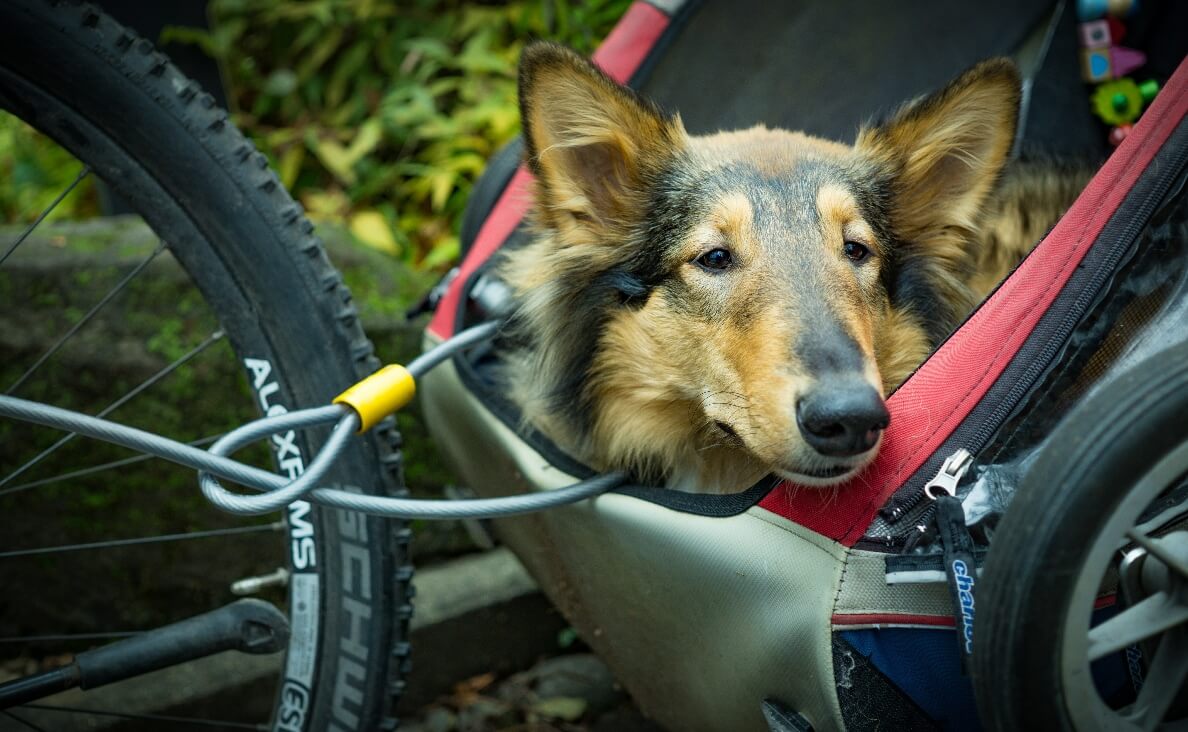
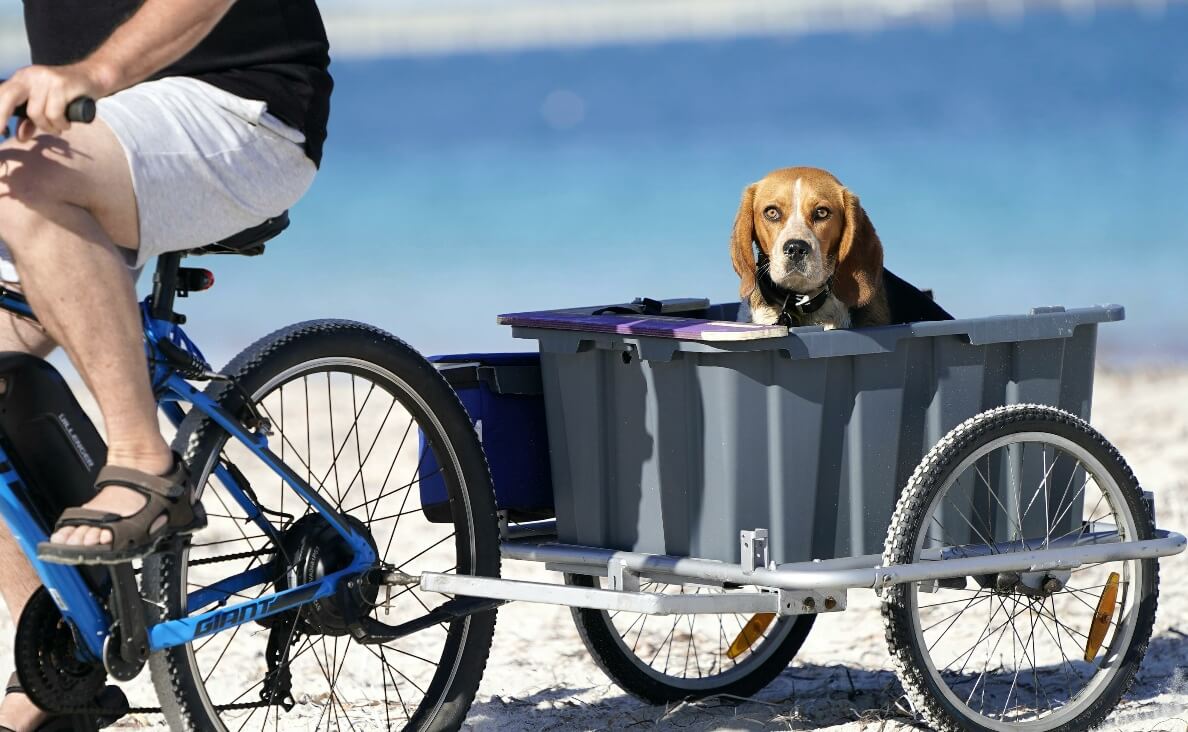
For small dogs, senior dogs, or dogs with mobility limitations, bike trailers or cargo carriers may offer a safer way to enjoy outdoor adventures together.
How to Tell if Your Dog Needs More Exercise
Dogs that are not getting enough activity may show signs such as:
- excessive barking
- destructive behavior
- restlessness
- hyperactivity
- weight gain
The key is finding exercise that matches your dog’s individual needs and abilities safely.
Frequently Asked Questions About Biking With Dogs
Is biking with your dog bad for their joints?
Biking with a dog can place repetitive stress on the joints, especially when running on hard pavement for long distances. Puppies, senior dogs, and dogs with joint conditions are at greater risk for injury. Healthy adult dogs may tolerate controlled bike exercise better, but gradual conditioning and moderation are important.
At what age can a dog safely run beside a bicycle?
Dogs should be fully grown before running beside a bicycle regularly. Puppies have developing bones and growth plates that can be damaged by repetitive high-impact exercise. The appropriate age varies by breed and size, so it is best to ask your veterinarian before starting.
How far can a dog safely run beside a bike?
There is no universal distance that is safe for every dog. Factors such as breed, fitness level, weather, terrain, and health all matter. Dogs new to biking should begin with very short sessions and build endurance gradually over time. Always watch for signs of fatigue or overheating.
Is it safe to bike with your dog in hot weather?
Hot weather can make biking dangerous for dogs. Dogs can overheat quickly during strenuous exercise, and hot pavement may burn their paw pads. If you choose to bike with your dog, stick to cooler times of day, bring water, and avoid hot surfaces whenever possible.
What breeds are best suited for biking?
Some athletic breeds with high endurance may tolerate biking better than others. However, even active breeds need proper training and conditioning. Flat-faced breeds, very small dogs, senior dogs, and dogs with breathing or joint problems are generally not ideal candidates for running beside a bicycle.
Should dogs run beside a bike on pavement?
Running on pavement may increase stress on a dog’s joints and paw pads, especially over long distances. Softer surfaces are often easier on the body. If biking on pavement, keep rides shorter, monitor your dog carefully, and avoid hot surfaces.
Is a harness better than a collar for biking with dogs?
A properly fitted harness is generally safer than attaching a leash to a collar while biking. Harnesses help reduce strain on the neck and may provide better control if a dog suddenly pulls or changes direction.
What are safer alternatives to biking with your dog?
Many dogs benefit from lower-risk activities such as sniff walks, hiking, fetch, flirt pole games, supervised daycare play, puzzle toys, and enrichment activities. For small or senior dogs, bike trailers and cargo carriers may allow them to safely enjoy outdoor adventures without the physical strain of running beside a bicycle.
Final Thoughts
So, is biking with your dog safe? For some healthy, properly trained adult dogs, biking may be a reasonable activity when done carefully and responsibly. However, it is not the right choice for every dog, and the risks should never be ignored.
By understanding your dog’s physical limitations, using proper safety precautions, and considering safer alternatives when appropriate, you can help keep your dog healthy, happy, and active for years to come.
Have you ever tried biking with your dog, or do you prefer other ways to stay active together?
 Teach Your Dog to Fetch: A Step-by-Step Guide for Fun and Exercise
 3 Reasons Why Play is Important for Dogs
 6 Tips to Protect Your Dog from Summer Heat
 5 Tips for Choosing the Best Toys for Your Dog
 Trail Etiquette for Hiking with Dogs




Leave a Reply