
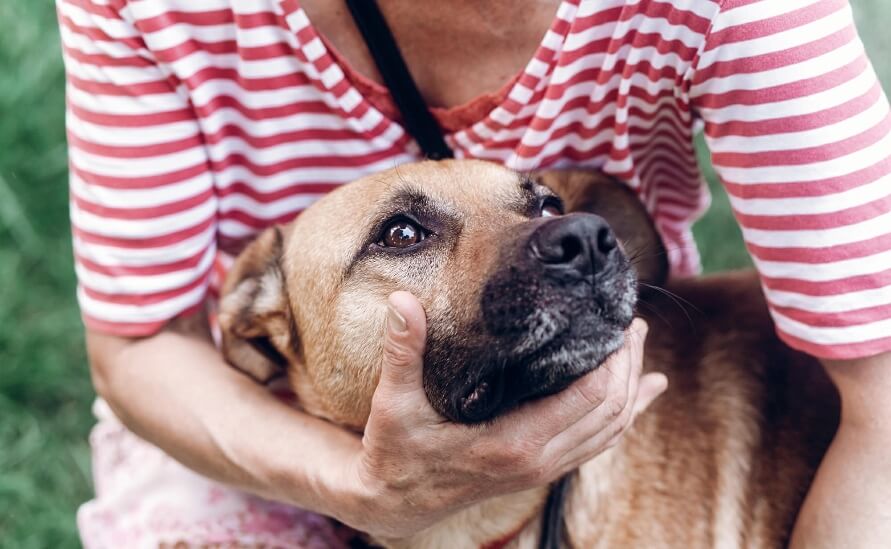
When your dog is choking, every second matters. It’s a frightening situation, and it’s easy to panic—but knowing what to do if your dog is choking can make all the difference.
Dogs can choke on food, toys, bones, or household objects, and the signs may appear suddenly. In some cases, a choking emergency can quickly become life-threatening if the airway is blocked.
The most important thing you can do is stay calm and act quickly. This guide will walk you through exactly what to do if your dog is choking, how to recognize the warning signs, and when to seek emergency veterinary care.
Even if you never face this situation, being prepared can give you confidence and help you respond effectively if it ever happens.
What To Do If Your Dog Is Choking (Quick Action Steps)
If your dog is choking, follow these steps immediately:
- Stay calm and assess the situation
- Check your dog’s mouth for a visible object
- Carefully remove the object if it is easy to reach
- If the object cannot be removed, perform chest thrusts (dog Heimlich maneuver)
- Seek emergency veterinary care right away
Acting quickly and calmly can help save your dog’s life—but even if the object is removed, your dog should always be checked by a veterinarian.
How to Tell If Your Dog Is Choking
Knowing how to tell if your dog is choking is the first step in responding quickly and correctly. Not every coughing or gagging episode means your dog is choking, but it’s important to recognize the signs of a true emergency.
A choking dog is unable to get enough air, which can quickly become life-threatening. Paying close attention to your dog’s behavior and physical symptoms can help you decide what to do next.
Common Signs of Choking in Dogs
If your dog is choking, you may notice one or more of the following signs:
- Pawing at the mouth or face
- Gagging, retching, or trying to vomit
- Difficulty breathing or noisy breathing
- Excessive drooling
- Blue, gray, or pale gums
- Panic, restlessness, or distress
- Collapse or loss of consciousness in severe cases
These symptoms can appear suddenly and may worsen quickly, especially if the airway is completely blocked.
Choking vs. Coughing or Reverse Sneezing
It’s easy to confuse choking with other common dog behaviors like coughing or reverse sneezing—but the response should be very different.
Choking:
- Your dog appears panicked
- Little to no airflow
- Difficulty inhaling
- May paw at the mouth
- Gums may change color
Coughing or Reverse Sneezing:
- Your dog can still breathe
- Airflow is present, even if noisy
- Episodes often resolve on their own
- Dog is usually less panicked
If you’re unsure whether your dog is choking, it’s always safest to treat the situation as an emergency and act quickly.
What To Do If Your Dog Is Choking: Step-by-Step
If your dog is choking, it’s important to act quickly—but also carefully. The goal is to remove the obstruction without causing further harm. Follow these steps to help your dog safely.
Step 1: Stay Calm and Secure Your Dog
The first step in what to do if your dog is choking is to stay as calm as possible. Your dog is likely frightened and may panic, which can lead to sudden movements or even biting.
- Speak in a calm, reassuring voice
- Approach your dog gently
- If possible, position your dog so you can safely access their mouth
Staying calm will help you act more effectively and reduce your dog’s stress.
Step 2: Check Your Dog’s Mouth
Carefully open your dog’s mouth to see if the object is visible.
- Gently pull the tongue forward
- Look for any object blocking the airway
- Use caution to avoid being bitten
If you can clearly see the object and it is easy to reach, you may be able to remove it.
Step 3: Remove the Object (If Safe to Do So)
If the object is visible and within reach:
- Use your fingers or a pair of tweezers
- Carefully grasp and remove the object
- Avoid pushing it deeper into the throat
If the object is not easily accessible, do not continue trying to reach it. Move on to the next step.
Step 4: Perform Chest Thrusts (Dog Heimlich Maneuver)
If you cannot remove the object, chest thrusts can help dislodge it.
For small dogs:
- Hold your dog with their back against your chest
- Place your fist just below the ribcage
- Apply quick, gentle inward and upward thrusts
For large dogs:
- Stand behind your dog
- Place your hands just below the ribcage
- Apply firm, quick inward thrusts
After a few thrusts, check the mouth again to see if the object has been dislodged.
Step 5: Seek Immediate Veterinary Care
Even if you successfully remove the object, your dog should be examined by a veterinarian as soon as possible.
- The throat or airway may be injured
- Swelling can occur after the obstruction is removed
- Additional complications may not be immediately visible
If your dog is still struggling to breathe, go to the nearest emergency veterinary clinic right away.
If you want to familiarize yourself with additional first aid techniques, the American Red Cross provides step-by-step guidance on how to help a choking dog.
What NOT to Do If Your Dog Is Choking
When your dog is choking, it’s natural to feel panicked and want to act immediately. However, the wrong actions can make the situation worse or cause injury. Knowing what to avoid is just as important as knowing what to do if your dog is choking.
Don’t Blindly Sweep Your Dog’s Throat
Avoid putting your fingers deep into your dog’s throat if you cannot clearly see the object.
- You may push the object further down
- You could cause additional injury
- Your dog may bite out of fear or pain
Only attempt to remove an object if it is clearly visible and easy to reach.
Don’t Delay Seeking Veterinary Care
Even if your dog seems to recover, complications can develop after a choking incident.
- The airway may be irritated or swollen
- Small fragments could remain lodged
- Internal injury may not be immediately obvious
Prompt veterinary care ensures your dog is truly safe.
Don’t Assume the Danger Has Passed
If the object is removed, it may feel like the emergency is over—but that’s not always the case.
- Breathing issues can return
- Swelling can worsen over time
- Hidden damage may still be present
Always monitor your dog closely and follow up with a veterinarian.
Don’t Panic or Restrain Your Dog Improperly
Panic can lead to rushed or unsafe handling.
- Sudden restraint may increase your dog’s fear
- Your dog may struggle or bite
- You may lose control of the situation
Stay as calm as possible and use controlled, gentle movements.
When Choking Becomes Life-Threatening
A choking incident can quickly become life-threatening if your dog’s airway is severely or completely blocked. Knowing the warning signs can help you act even faster and get your dog the emergency care they need.
Emergency Warning Signs
If you notice any of the following signs, treat the situation as a critical emergency:
- Your dog is unable to breathe or is gasping for air
- Gums or tongue appear blue, gray, or very pale
- Your dog collapses or becomes unresponsive
- There is little to no airflow
- Your dog shows extreme panic or distress
These symptoms indicate that your dog is not getting enough oxygen, and immediate action is essential.
What To Do in a Life-Threatening Situation
If your dog shows signs of severe choking:
- Continue chest thrusts if the object has not been dislodged
- Check the mouth again for any visible obstruction
- Head to the nearest emergency veterinarian immediately
- Call ahead if possible to alert the clinic
Do not wait to see if your dog improves. In a life-threatening choking emergency, rapid response can save your dog’s life.

Common Causes of Choking in Dogs
Understanding what causes choking in dogs can help you reduce the risk in the future. While choking can happen suddenly, many incidents are linked to everyday items and behaviors.
Dogs explore the world with their mouths, and certain foods, toys, and habits can increase the likelihood of a choking emergency.
Food-Related Choking Hazards
Food is one of the most common causes of choking in dogs, especially for dogs that eat quickly.
- Large pieces of food swallowed without chewing
- Dry kibble eaten too quickly
- Table scraps that are hard or irregularly shaped
- Sticky foods that can lodge in the throat
Dogs that gulp their food are at higher risk, particularly during mealtime.
Bones and Chews
Certain chews and bones can break apart or become lodged in a dog’s throat.
- Cooked bones that splinter easily
- Rawhide and hard chews that soften and become sticky
- Antlers or very hard chews that can fracture
Even items marketed for dogs can pose a choking hazard if not used appropriately.
Small or Broken Toys
Toys that are too small or damaged can quickly become dangerous.
- Toys that fit entirely in your dog’s mouth
- Broken pieces from worn-out toys
- Balls or objects that can block the airway
Always consider your dog’s size and chewing strength when selecting toys.
Foreign Objects and Household Items
Dogs may accidentally swallow non-food items found around the home.
- Socks, fabric, or string
- Children’s toys or small objects
- Trash or discarded food packaging
Curious or bored dogs are especially likely to ingest inappropriate items.
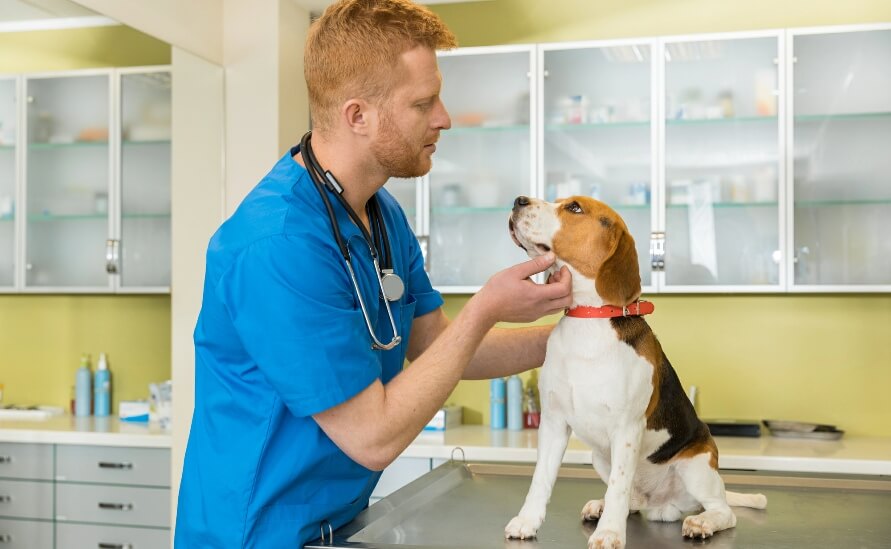
How to Reduce the Risk of Choking in Dogs
While it’s important to know what to do if your dog is choking, prevention is always the best approach. By making a few thoughtful choices in your dog’s daily routine, you can significantly reduce the risk of choking.
Being prepared for emergencies is just as important as prevention. Having essential supplies on hand can help you respond quickly—here’s what to include in your dog’s first aid kit.
Choose the Right Toys and Chews
Selecting appropriate toys and chews is one of the easiest ways to prevent choking.
- Choose toys that are larger than your dog’s mouth
- Avoid items that can easily break into small pieces
- Replace worn or damaged toys promptly
- Be cautious with very hard chews that can splinter or fracture
When in doubt, bigger and more durable is usually safer.
Choosing safe, appropriately sized toys is one of the most effective ways to reduce choking risk. If you’re unsure what to look for, here are a few helpful guidelines for selecting the best toys for your dog.
Pet-Proof Your Home
Many choking hazards come from everyday household items.
- Keep small objects out of reach
- Secure trash cans and food waste
- Be mindful of children’s toys, socks, and loose items
- Regularly check floors and common areas for hazards
A quick daily scan of your home can go a long way in preventing accidents.
Supervise Your Dog with Chews
Even safe items can become dangerous without supervision.
- Monitor your dog when giving new chews
- Watch for aggressive chewing that may break items apart
- Remove small or softened pieces before they can be swallowed
Supervision is especially important for enthusiastic chewers.
Even safe chews can become dangerous if they break apart or are swallowed too quickly. Choosing the right type of chew and supervising your dog can significantly reduce the risk.
Select Safe Enrichment Options
Mental stimulation is important, but safety should always come first.
- Use puzzle feeders designed for your dog’s size
- Avoid enrichment items with small, detachable parts
- Rotate toys to keep your dog engaged without overuse
Safe enrichment keeps your dog busy without increasing risk.
Enrichment activities can help keep your dog mentally stimulated and less likely to chew or swallow unsafe items. Puzzle toys, in particular, are a great option for safe engagement.
Encourage Safe Eating Habits
Dogs that eat too quickly are more likely to choke.
- Use a slow feeder bowl
- Serve appropriate portion sizes
- Avoid giving large chunks of food
- Monitor mealtime, especially in multi-dog households
Helping your dog slow down can make a big difference.
Dogs that eat too quickly are more likely to choke. Using a slow feeder bowl can help your dog eat at a safer pace and reduce the risk of choking.
Teach Essential Safety Commands
Basic training can help prevent dangerous situations.
- Teach commands like “drop it” and “leave it”
- Reinforce calm behavior during meals and chewing
- Practice consistency so your dog responds reliably
Training adds an extra layer of safety in everyday situations.
Teaching your dog reliable commands like “leave it” (to avoid picking something up) and “drop it” (to release something already in their mouth) can help prevent choking risks.
Final Thoughts: Acting Quickly Can Save Your Dog’s Life
Knowing what to do if your dog is choking can make a critical difference in an emergency. While choking incidents can be frightening, staying calm and taking the right steps can help protect your dog and potentially save their life.
The most important thing to remember is to act quickly, but carefully. Recognizing the signs, responding appropriately, and seeking veterinary care are all essential parts of handling a choking emergency.
Just as important, taking steps to reduce the risk of choking in your dog’s daily life can help prevent these situations from happening in the first place.
With the right knowledge and preparation, you can feel more confident and ready to respond if your dog ever needs you.
FAQs
What should I do if my dog is choking but still breathing?
If your dog is still breathing, stay calm and check their mouth for a visible object. If it is safe to do so, carefully remove it. Even if your dog seems to recover, monitor them closely and contact your veterinarian for guidance.
Can a dog recover from choking on its own?
In some cases, a dog may dislodge an object on their own, especially if it is small. However, choking can quickly become dangerous, so it’s always best to be prepared and intervene if symptoms worsen.
How do you perform the Heimlich maneuver on a dog?
The Heimlich maneuver for dogs involves applying quick, controlled thrusts to the abdomen or chest to help expel the object. The technique varies depending on your dog’s size, so it’s important to use the appropriate method and follow up with veterinary care.
When should I take my dog to the vet after choking?
You should take your dog to the vet immediately after a choking incident—even if the object has been removed. There may be internal injuries, swelling, or remaining debris that needs professional evaluation.
What are the most common choking hazards for dogs?
Common choking hazards include bones, rawhide, small toys, large pieces of food, and household objects like socks or children’s toys. Supervising your dog and choosing safe items can help reduce the risk.
 8 Tips for Choosing Safe Chews for Your Dog
 April is National Prevention of Cruelty to Animals Month
 10 Ways to Keep Your Dog Safe During the Fourth of July
 How to Protect Your Dog from Wildfire Smoke This Summer
 How to Keep Your Dog Cool and Safe During Hot Weather



Leave a Reply