
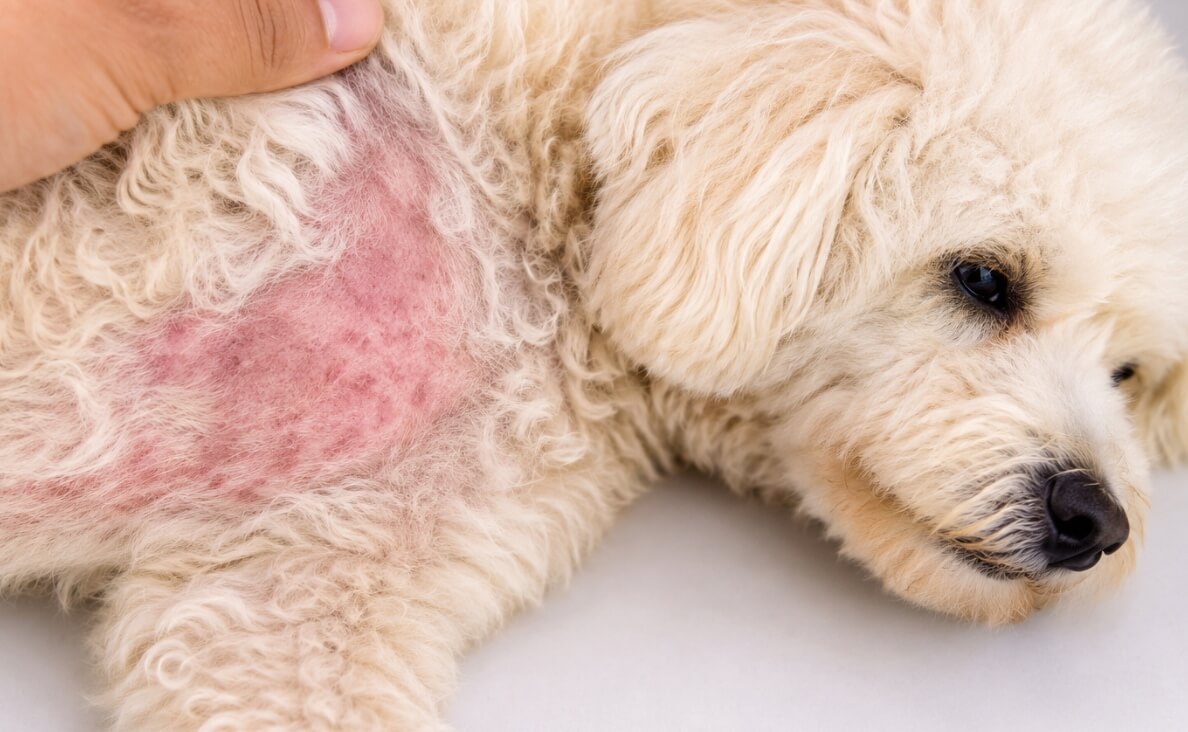
Discovering a rash on your dog can be concerning. Whether you notice red skin on their belly, small bumps on their paws, or excessive scratching that seems to come out of nowhere, it’s natural to wonder: Why does my dog have a rash?
The good news is that many dog rashes are caused by common issues such as allergies, insect bites, or skin irritation. However, some rashes may indicate an infection, parasite problem, or other medical condition that requires veterinary attention.
In this guide, we’ll explore the most common reasons dogs develop rashes, what symptoms to watch for, and when it’s time to call your veterinarian.
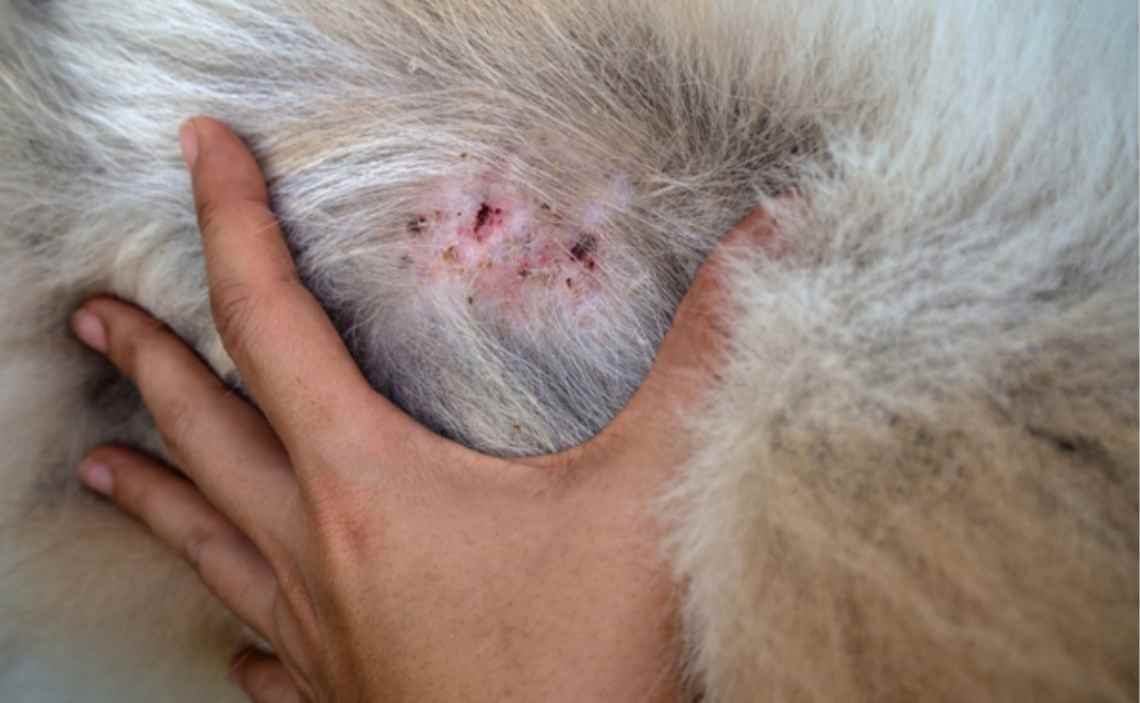
What Does a Dog Rash Look Like?
A rash can appear in many different ways depending on the underlying cause. Some dogs develop mild redness, while others may experience significant irritation and discomfort.
Common signs of a dog rash include:
- Red or pink skin
- Raised bumps or welts
- Hair loss
- Excessive scratching
- Licking or chewing at the skin
- Dry, flaky patches
- Scabs or crusty areas
- Hot spots
- Swelling
Because different conditions can look very similar, it isn’t always easy to determine exactly why your dog has a rash just by looking at it.
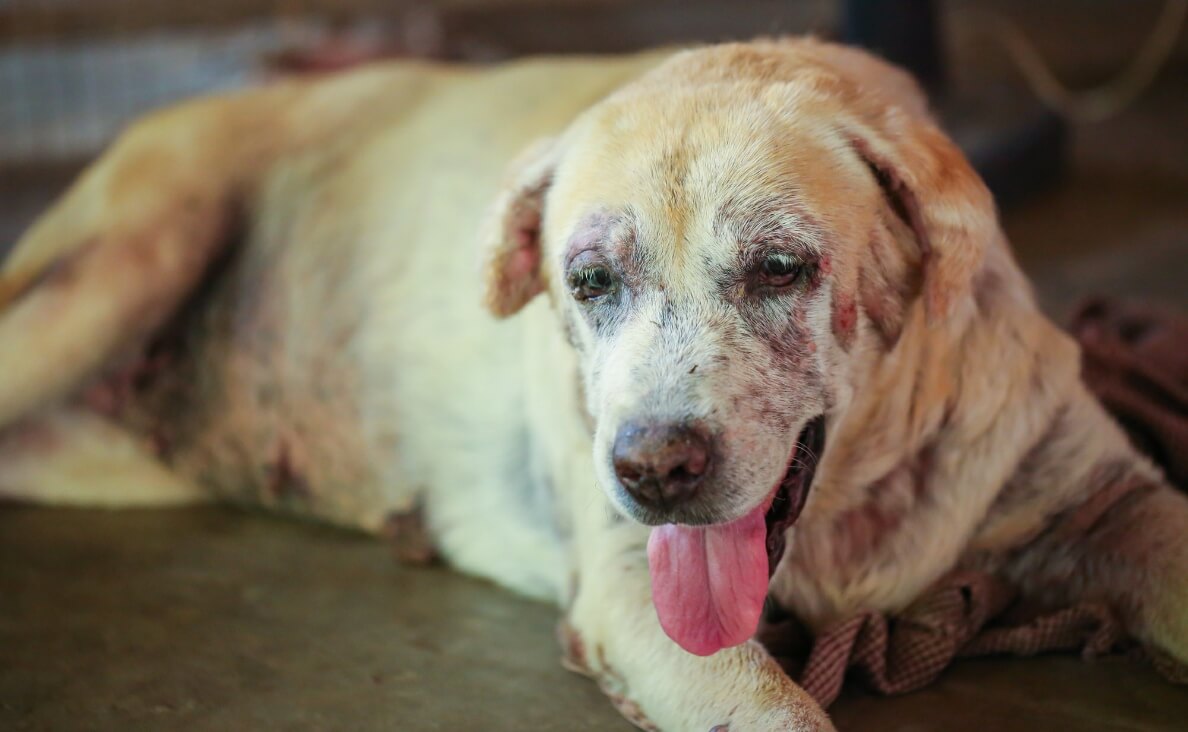
Why Does My Dog Have a Rash? Common Causes
-
Environmental Allergies
One of the most common answers to the question, “Why does my dog have a rash?” is environmental allergies.
Dogs can react to many of the same allergens that affect people, including:
- Grass
- Pollen
- Weeds
- Mold spores
- Dust mites
Dogs with environmental allergies often develop itchy skin, especially on their paws, belly, face, and ears. Symptoms may worsen during certain seasons when pollen counts are high.
If your dog seems itchier after spending time outdoors, environmental allergies could be the culprit.
-
Flea Allergy Dermatitis
Even a single flea bite can trigger a severe allergic reaction in sensitive dogs.
Flea allergy dermatitis often causes:
- Intense itching
- Red skin
- Hair loss
- Scabs
- Skin infections
The base of the tail, lower back, and hindquarters are common problem areas.
Many owners ask, “Why does my dog have a rash if I don’t see any fleas?” The answer is that just one flea bite can cause a reaction, and fleas are not always easy to spot.
Year-round flea prevention remains one of the best ways to protect your dog’s skin.
-
Contact Dermatitis
Dogs sometimes develop rashes after coming into contact with irritating substances.
Potential triggers include:
- Lawn chemicals
- Fertilizers
- Cleaning products
- Certain shampoos
- De-icing salts
- New bedding materials
Contact dermatitis often appears on areas that directly touch the irritant, such as the belly, paws, or legs.
If your dog develops redness shortly after exposure to a new product or environment, contact dermatitis may be responsible.
-
Food Allergies and Sensitivities
Food allergies are less common than environmental allergies, but they can still cause skin problems.
Dogs with food allergies may experience:
- Chronic itching
- Ear infections
- Skin rashes
- Gastrointestinal upset
Common food allergens include beef, chicken, dairy products, and wheat.
Because many conditions mimic food allergies, veterinarians often recommend an elimination diet to identify the true cause.
-
Insect Bites and Stings
Just like people, dogs can react to insect bites and stings.
Common offenders include:
- Bees
- Wasps
- Mosquitoes
- Ants
- Spiders
Mild reactions may cause temporary redness and swelling, while more severe reactions can result in widespread hives or facial swelling.
If your dog experiences difficulty breathing, significant swelling, or signs of distress after a sting, seek veterinary care immediately.
-
Hot Spots
Hot spots are painful areas of inflamed skin that can develop quickly.
They are often caused by:
- Excessive licking
- Scratching
- Moisture trapped in the coat
- Allergies
- Insect bites
Hot spots frequently appear as red, moist, irritated patches and can worsen rapidly if left untreated.
Many owners first notice a hot spot when wondering why their dog suddenly has a rash and won’t stop licking a specific area.
-
Bacterial Skin Infections
When dogs scratch or chew at irritated skin, bacteria can sometimes enter and cause an infection.
Signs of a bacterial skin infection may include:
- Redness
- Pustules
- Crusting
- Odor
- Hair loss
Skin infections often develop secondary to allergies, parasites, or other underlying conditions.
Veterinary treatment is typically necessary to resolve the infection and address the root cause.
-
Yeast Infections
Yeast naturally lives on a dog’s skin, but overgrowth can lead to significant irritation.
Yeast infections commonly affect:
- Ears
- Paws
- Skin folds
- Armpits
- Groin areas
Symptoms may include:
- Redness
- Itching
- Greasy skin
- A musty odor
Dogs with chronic allergies are often more prone to yeast infections.
-
Mites and Other Parasites
Several types of mites can cause skin problems in dogs.
These include:
- Sarcoptic mange mites
- Demodectic mange mites
- Other microscopic parasites
Affected dogs may develop:
- Hair loss
- Redness
- Thickened skin
- Severe itching
Because mites cannot usually be identified without diagnostic testing, veterinary evaluation is important whenever parasitic skin disease is suspected.
-
Heat and Moisture-Related Skin Irritation
Warm weather, swimming, and trapped moisture can sometimes lead to skin irritation.
Dogs may be more susceptible if they:
- Have thick coats
- Swim frequently
- Live in humid environments
- Have skin folds
Keeping your dog clean and thoroughly dry after water activities can help reduce the risk of moisture-related skin problems.
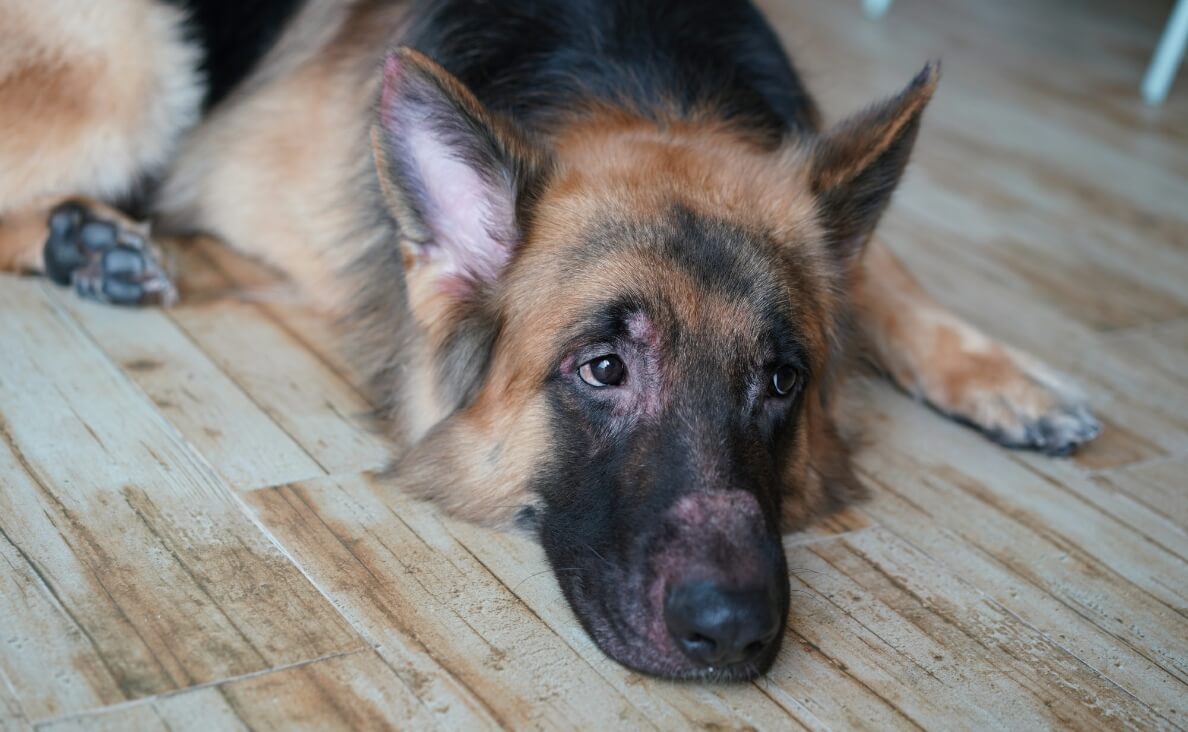
Symptoms That Require Prompt Veterinary Attention
While some mild rashes may improve with monitoring, certain symptoms warrant a call to your veterinarian.
Seek veterinary care if your dog experiences:
- Severe itching
- Open sores
- Bleeding skin
- Facial swelling
- Difficulty breathing
- Widespread rash
- Signs of infection
- Lethargy
- Loss of appetite
- Persistent symptoms that don’t improve
When it comes to skin issues, early treatment often prevents complications and helps your dog feel better sooner.
How Veterinarians Diagnose Dog Rashes
Because many skin conditions look alike, veterinarians often use diagnostic testing to determine the underlying cause.
Depending on your dog’s symptoms, your veterinarian may recommend:
- A physical examination
- Skin scraping
- Cytology testing
- Allergy testing
- Fungal testing
- Food elimination trials
- Bloodwork
Accurate diagnosis is important because treatment for one type of rash may not help another.
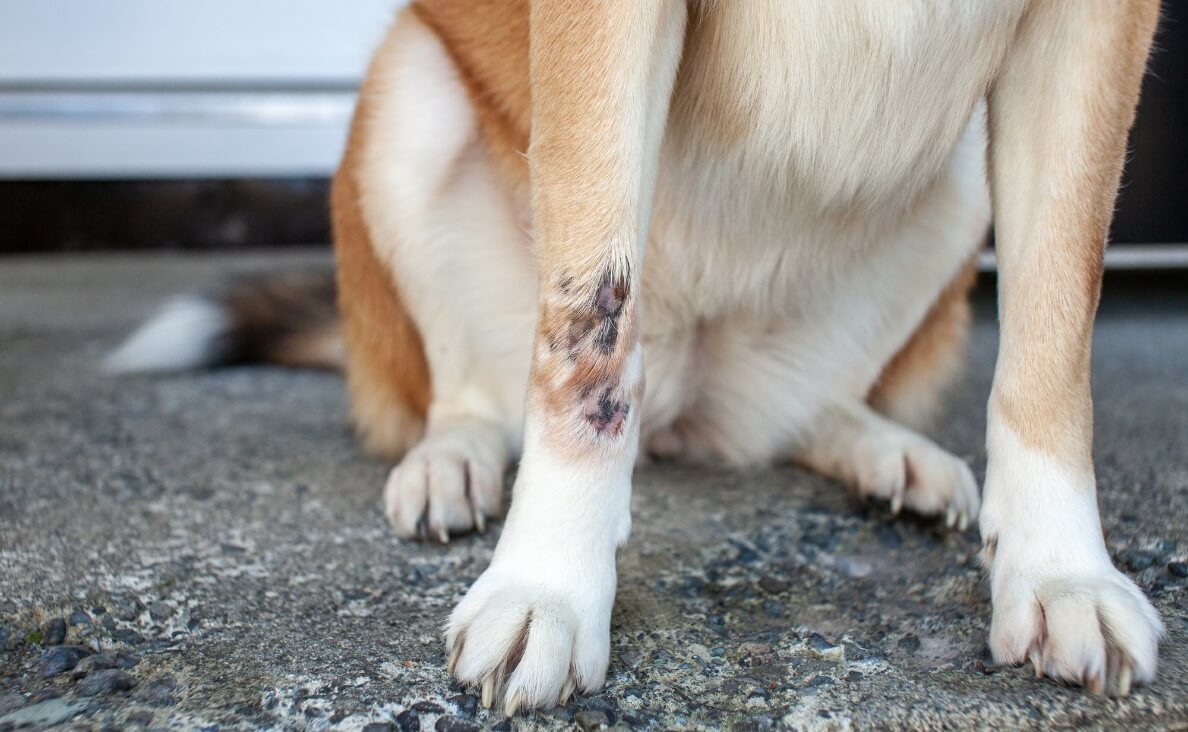
Can I Treat My Dog’s Rash at Home?
Many owners ask whether they should try treating a rash at home.
While it’s reasonable to monitor a mild rash briefly, it’s important to avoid using human medications without veterinary guidance.
Some human creams and medications can be harmful to dogs, especially if they lick the treated area.
If your dog’s rash is worsening, causing discomfort, or lasting more than a few days, it’s best to consult your veterinarian.
The most effective treatment depends on identifying the underlying cause.
How to Help Prevent Dog Rashes
Although not every rash can be prevented, there are several steps you can take to support your dog’s skin health.
Helpful prevention strategies include:
- Maintaining year-round flea prevention
- Regular grooming
- Bathing with veterinarian-approved products
- Rinsing your dog after outdoor adventures
- Keeping skin folds clean and dry
- Monitoring for allergy triggers
- Scheduling routine veterinary exams
Early detection often makes skin issues easier to manage before they become more serious.

Frequently Asked Questions
Why does my dog have a rash on his belly?
The belly is one of the most common locations for rashes because it frequently comes into contact with grass, pollen, insects, and environmental irritants.
Can grass cause a rash in dogs?
Yes. Some dogs develop skin irritation or allergic reactions after contact with certain grasses and plants.
Are dog rashes contagious?
Some causes, such as allergies, are not contagious. Others, including certain parasites or infections, may spread to other animals. A veterinarian can determine the specific cause.
When should I take my dog to the vet for a rash?
You should contact your veterinarian if the rash is severe, worsening, causing significant discomfort, or accompanied by swelling, infection, lethargy, or other concerning symptoms.
Final Thoughts
If you’ve been asking yourself, “Why does my dog have a rash?”, you’re not alone. Skin problems are one of the most common reasons dogs visit the veterinarian.
The good news is that many rashes are caused by manageable conditions such as allergies, insect bites, or temporary irritation. However, because different skin conditions can look very similar, a proper diagnosis is often the key to effective treatment.
By paying attention to changes in your dog’s skin and seeking veterinary care when needed, you can help keep your canine companion comfortable, healthy, and happy.
Have you ever discovered a rash on your dog? What was the cause, and how was it treated? Share your experience in the comments—we’d love to hear your story.
 Why Do Dog Teeth Get Worn Down?
 5 Reasons Your Dog Has Bad Breath
 How Cold is Too Cold for Your Dog?
 6 Tips to Protect Your Dog from Summer Heat
 What Every Dog Owner Needs to Know About Canine Anemia




Leave a Reply