

When the lights go out during a winter storm, our first thought often turns to comfort and safety — both ours and our dogs’. Power outages in Colorado can happen anytime, especially during blizzards or high-wind events that bring heavy snow, ice, or downed power lines. The good news is that with a little preparation and calm action, you can keep your dog warm without power and protect them from the cold until electricity is restored.
Create a Warm and Cozy Den
When the power goes out, your home’s temperature can drop quickly — especially near windows or drafty hallways. The key is to concentrate warmth in one small, enclosed space.
- Choose one warm room. Pick a room away from exterior doors and large windows, such as a bedroom or bathroom.
- Gate off colder rooms. Use baby gates, rolled towels, or even blankets hung in doorways to trap heat where you and your dog are staying.
- Add insulation. Place rolled towels along the base of doors, and hang heavy blankets or quilts over windows. If possible, add weather stripping to doors and windows before winter storms hit — it can make a huge difference in keeping heat in.
- Make it cozy. Move your dog’s bed or crate to this “warm zone” and wrap a blanket around the crate to help retain body heat.
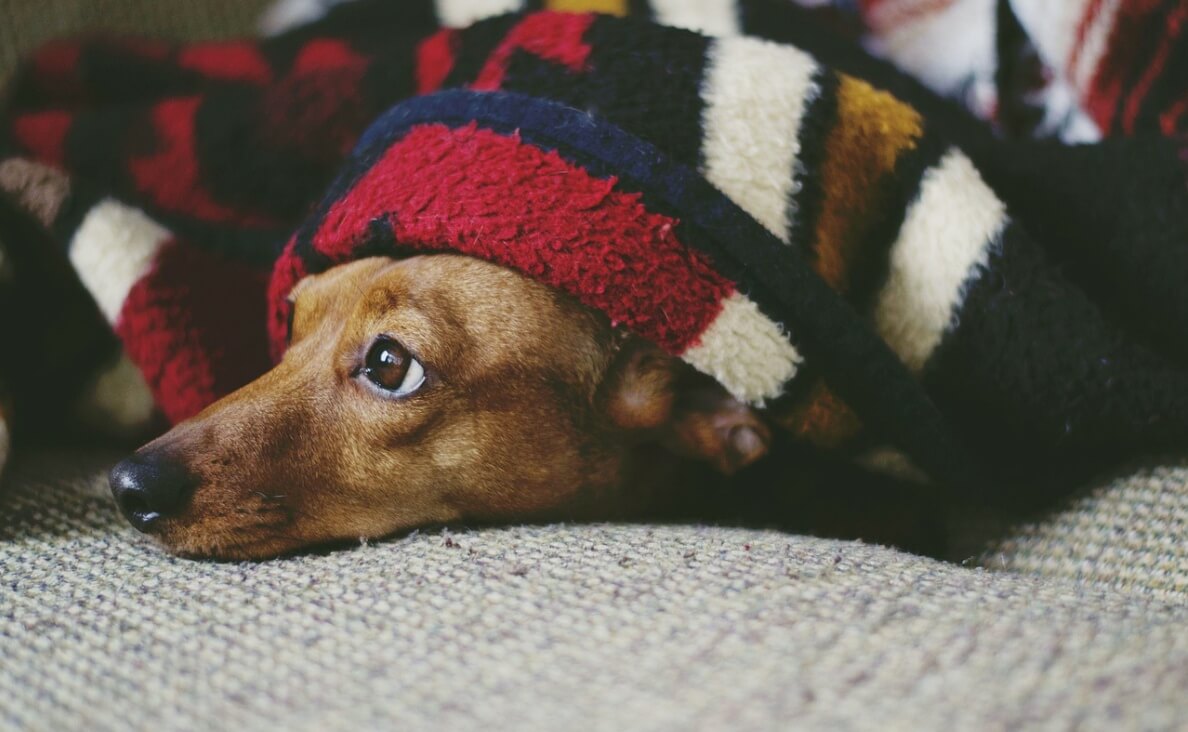
- Put out extra bedding. Add old blankets, towels, or even a clean sleeping bag for your dog to burrow into. If your dog’s bed sits directly on tile or wood, place a folded blanket underneath to insulate it from the cold floor.
Layer Up: Safe Clothing for Dogs
Keeping dog coats, sweaters, and booties on hand is one of the best ways to prepare for a power outage in winter.
- Dress your dog in layers. Use a fitted sweater or fleece jacket that covers the chest and belly.
- Keep clothes dry. Damp fabric pulls heat away from your dog’s body, so if clothing gets wet from snow or condensation, replace it with a dry item.
- Don’t forget booties. Paws lose heat quickly, especially on cold surfaces. Use non-slip dog booties or even child socks to keep them warm and dry.
- Special note for seniors: Older dogs, puppies, and short-haired breeds are especially vulnerable to cold. For them, layering up isn’t optional — it’s essential.
Share Warmth and Preserve Your Energy
Your own body heat is one of the most reliable warmth sources available when the power is out.
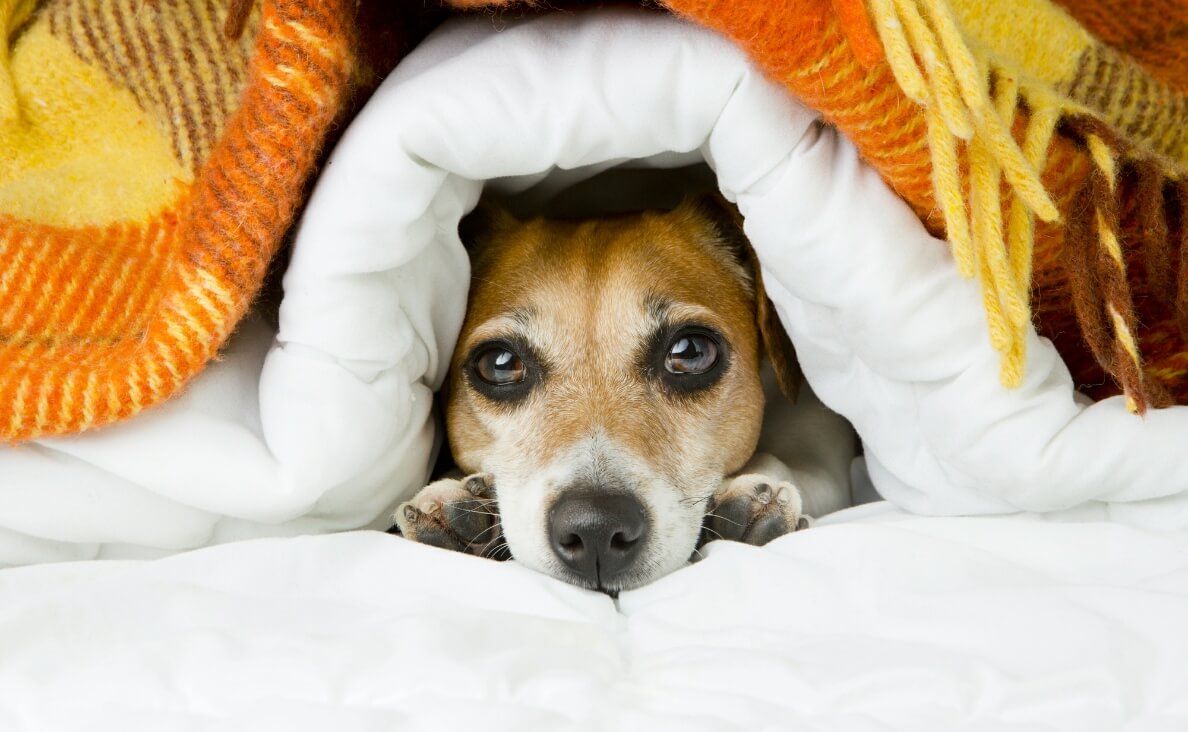
- Cuddle together. Snuggle under a blanket with your dog on the couch or bed. Dogs are pack animals — closeness not only warms them but helps them feel safe.
- Sleep in the same room. Being near your dog at night lets you share warmth and monitor their comfort.
- Conserve your own energy. Fatigue and stress make it harder for your body to stay warm. Stay hydrated, eat regularly, and rest often so you can care for your dog effectively.
If you have a sleeping bag, climb in with your dog — it traps shared heat incredibly well.
Maximize Natural Heat and Light
During the day, use every bit of natural light and warmth you can find.
- Open curtains or blinds on sunny windows to let the sun naturally warm the room.
- Close them again at sunset to hold heat in.
- Use candles safely. Place them on high, sturdy surfaces far from curious noses and wagging tails, and never leave them unattended.
- Inspect your fireplace. If you have one, make sure it’s clean and safe before you need it. Keep dogs at a safe distance using a fire screen, and never burn treated or painted wood.
- Avoid unsafe heat sources. Don’t use gas stoves, open flames, or generators inside — carbon monoxide can be deadly to both people and pets.
Provide Plenty of Food and Water
When temperatures drop, dogs burn more calories just trying to stay warm — so they may need a bit more food than usual.
- Offer slightly larger portions of your dog’s regular meals during prolonged outages.
- Serve warm food when possible. If you can safely heat water on a gas stove or outdoor grill, mix a little into your dog’s meal for extra warmth and hydration.
- Keep water unfrozen. Replace it often and avoid metal bowls outdoors, which can chill the water quickly.
- Stock up in advance. During Colorado’s winter months, always keep an extra bag of dog food and bottled water stored in a dry, accessible place.
Keep Your Dog Dry and Active
A wet or inactive dog cools down fast, especially during snowstorms or freezing rain.
- Towel dry immediately. After outdoor potty breaks, gently dry your dog’s coat, legs, and paws.
- Play low-energy indoor games like “find the treat” or gentle tug to keep blood circulating.
- Short, frequent outings. Let your dog outside just long enough for necessary breaks, then bring them back in to warm up.

Home Safety During Power Outages
Cold weather brings more than just the challenge of keeping warm — it also raises safety concerns.
- Smoke and carbon monoxide detectors save lives. Make sure your detectors are battery-powered and working before storms arrive.
- Use flashlights instead of candles when possible to reduce fire risk.
- Keep a leash, flashlight, and emergency contact info near the door in case you need to leave quickly.
- Check your fireplace and heating sources. Have them inspected before the season starts to prevent smoke buildup or accidental fires.
- Plan for ventilation. Even in cold weather, crack a window slightly if using any combustion-based heat to prevent carbon monoxide buildup.
Prepare an Emergency Pet Warmth Kit
Being ready before an outage gives you peace of mind. Pack a pet emergency warmth kit and store it with your household emergency supplies.
Include:
- Extra blankets, towels, and old bedding
- Dog sweaters and booties
- Battery-powered flashlight or lantern
- Pet-safe heating packs or hand warmers (wrapped in cloth)
- Spare leash, collar, and ID tags
- Food, treats, and bottled water
- Copies of veterinary records and local emergency numbers
A little preparation can make all the difference when temperatures drop unexpectedly.
When to Get Help for Cold Dogs
Even with your best efforts, extreme cold can still take a toll — especially on senior dogs or those with health conditions.
Watch for signs of hypothermia:
- Persistent shivering or trembling
- Lethargy, weakness, or disorientation
- Slow or shallow breathing
- Pale or bluish gums
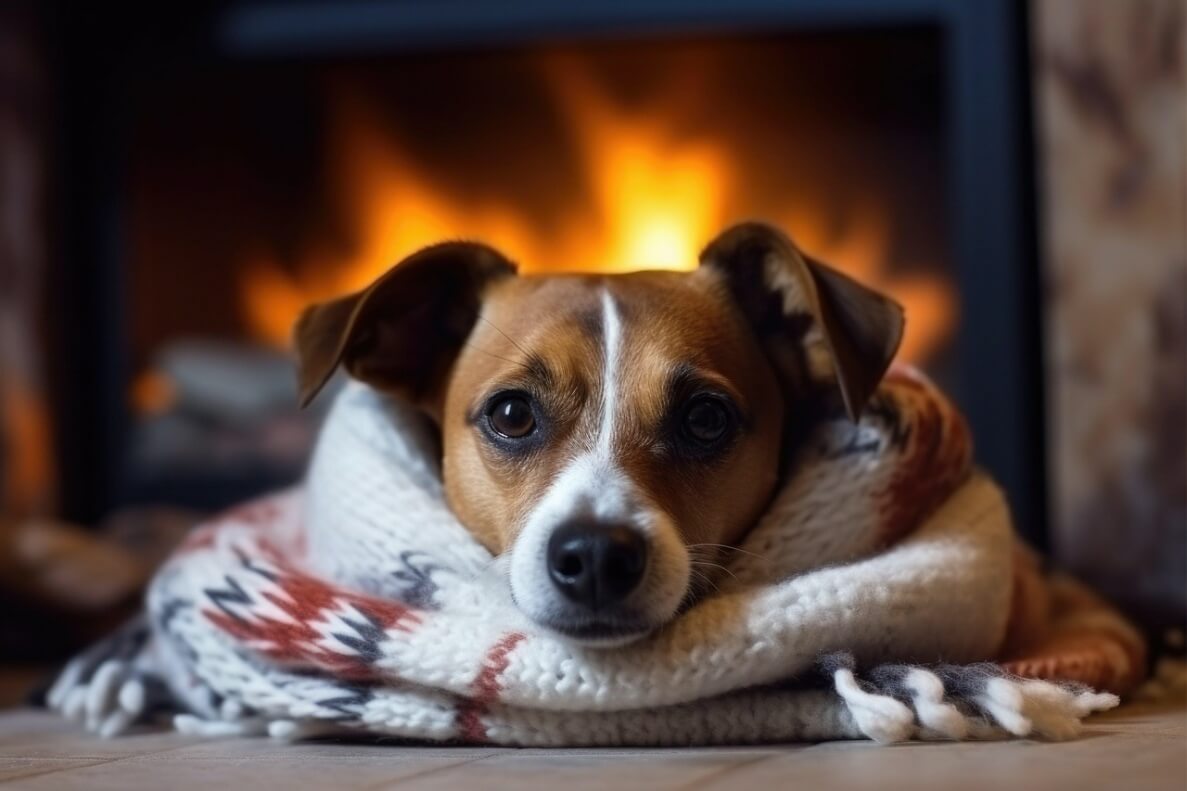
If your dog shows any of these symptoms, wrap them in warm blankets, use your body heat, and contact your veterinarian or an emergency vet clinic immediately. Quick action can prevent severe illness or death.
Conclusion: Preparation Is the Best Warmth
Colorado winters can bring high winds, heavy snow, and freezing temperatures, sometimes leaving families without power for hours or even days. But with foresight and a calm plan, you can keep your dog warm without power and ensure their comfort until help or heat returns.
Stock your emergency kit, check your detectors, and take a few minutes each fall to inspect insulation, weather stripping, and fireplace safety. Your preparation will not only keep your dog warm — it will keep them safe.
Your Turn:
How do you keep your dog cozy during winter storms or power outages? Share your favorite tips or photos in the comments — we’d love to hear from you!
 April is National Prevention of Cruelty to Animals Month
 15 Things Every Dog Owner Should Know About Rabies
 Are Electric Fences Safe for Dogs? Pros and Cons
 Why Do Dogs Eat Dirt, Leaves, and Sticks? What It Means and When to Worry
 How to Help a Stray or Lost Dog




Leave a Reply