

Dogs are incredibly good at hiding pain and illness. Sometimes the signs of a medical emergency are obvious. Other times, the symptoms may seem subtle at first and quickly become serious.
Dogs instinctively hide pain and illness as a survival mechanism inherited from their wild ancestors. In the wild, appearing weak could make an animal more vulnerable to predators or social conflict. Because of this instinct, dogs may continue acting relatively normal until an illness or injury becomes more advanced.
Knowing the signs your dog needs emergency veterinary care can help you respond quickly and potentially save your dog’s life. If your dog is showing any of the following symptoms, contact your veterinarian or an emergency veterinary clinic immediately.
1. Difficulty Breathing, Labored Breathing, or Stopped Breathing
Breathing problems should always be treated as an emergency in dogs.
Signs of respiratory distress may include:
- Labored breathing
- Wheezing or choking sounds
- Open-mouth breathing
- Excessive panting unrelated to exercise or heat
- Stretching the neck forward to breathe
- Blue, gray, or pale gums
- Collapse while breathing
- Stopped breathing or unconsciousness
Difficulty breathing can be caused by allergic reactions, heart disease, heatstroke, airway obstruction, pneumonia, or other life-threatening conditions.
Severe allergic reactions can cause sudden swelling of the face, throat, or airways, making it difficult for a dog to breathe.
Other signs of a severe allergic reaction may include facial swelling, hives, excessive drooling, or sudden swelling around the eyes and muzzle.
2. Sudden Collapse, Weakness, or Inability to Stand
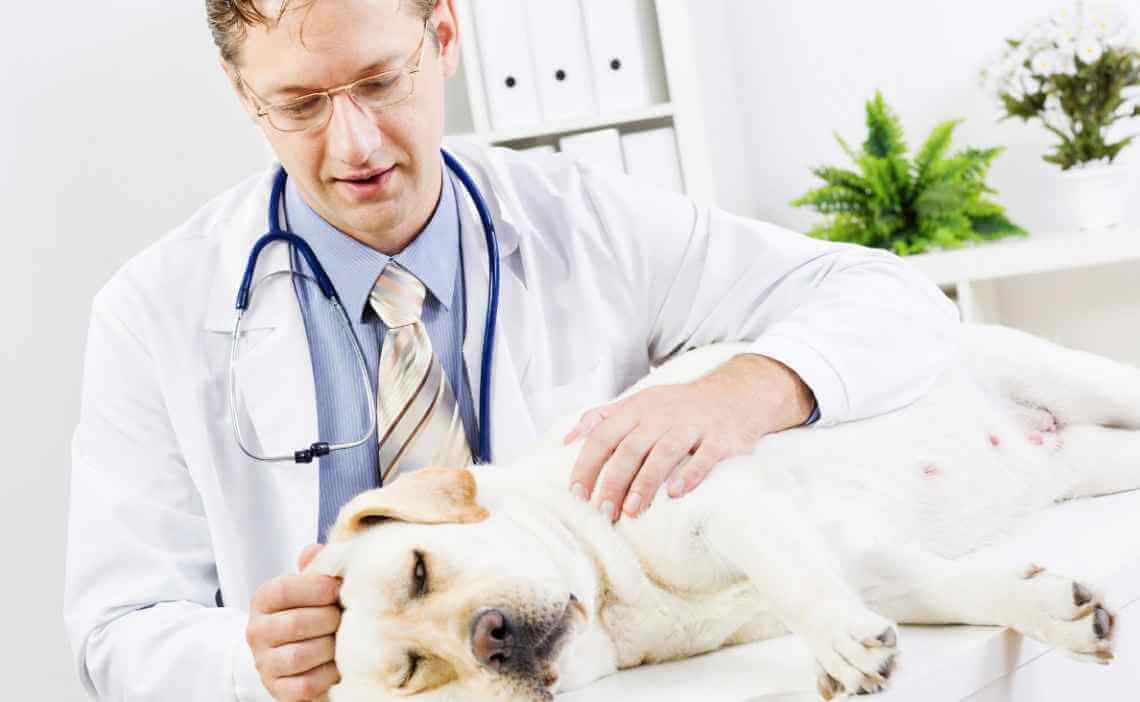
If your dog suddenly collapses, becomes weak, or cannot stand normally, emergency veterinary care is needed immediately.
Watch for symptoms such as:
- Sudden collapse
- Extreme weakness
- Wobbliness
- Dragging limbs
- Loss of balance
- Fainting
- Inability to rise
These symptoms may indicate serious neurological problems, internal bleeding, toxin exposure, heatstroke, or heart-related emergencies.
3. Seizures or Sudden Neurological Changes
A seizure can be frightening and should always be taken seriously, especially if it lasts more than a few minutes or multiple seizures occur close together.
Signs of neurological distress may include:
- Convulsions or shaking
- Tremors
- Sudden disorientation
- Walking in circles
- Head pressing
- Sudden confusion
- Unusual behavior changes
- Loss of coordination
These symptoms may be linked to toxin ingestion, epilepsy, head trauma, metabolic disorders, or severe illness.
4. Bloated, Hard, or Swollen Abdomen
A hard or swollen abdomen combined with repeated retching or unsuccessful attempts to vomit can be a sign of gastric dilatation-volvulus (GDV), also known as bloat.
This life-threatening condition requires immediate emergency surgery.
Additional warning signs may include:
- Dry heaving with no food coming up
- Restlessness or pacing
- Excessive drooling
- Rapid breathing
- Signs of pain
- Weakness or collapse
Bloat can progress very quickly and should never be ignored.
5. Pale, Gray, Blue, or White Gums
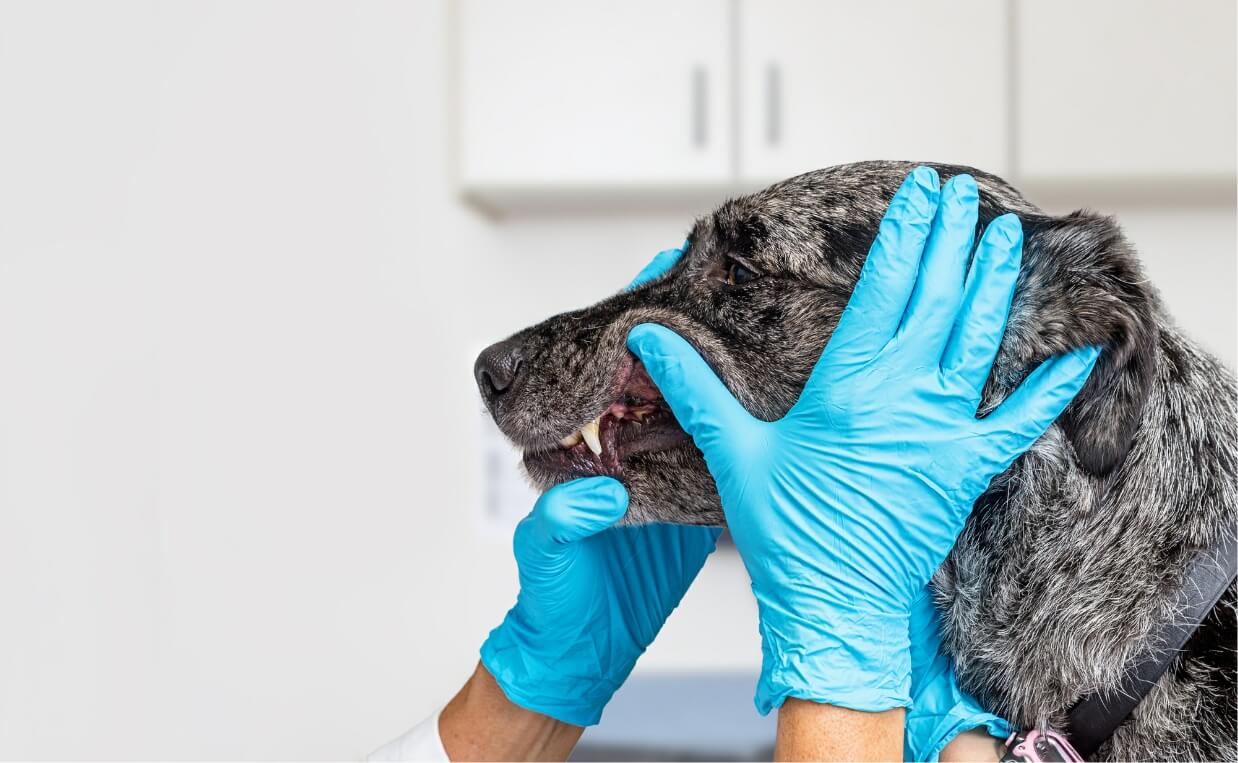
Healthy dog gums are typically pink. Pale, gray, bluish, or white gums may signal serious underlying medical problems.
Possible causes include:
- Shock
- Blood loss
- Oxygen deprivation
- Heart disease
- Severe anemia
It is important for dog owners to check their dog’s gums regularly so they can recognize abnormalities quickly during an emergency.
If your dog’s gum color suddenly changes, seek emergency veterinary care immediately.
6. Repeated Vomiting, Vomiting Blood, or Severe Diarrhea
Occasional stomach upset can happen in dogs, but repeated vomiting or severe diarrhea may quickly become dangerous.
Emergency warning signs include:
- Vomiting repeatedly for over an hour
- Vomiting blood
- Blood in stool
- Black or tarry stool
- Inability to keep water down
- Severe lethargy
- Signs of dehydration
- Vomiting combined with abdominal swelling
These symptoms may indicate poisoning, intestinal blockage, pancreatitis, severe infection, or other serious medical conditions.
7. Suspected Poisoning or Toxic Exposure
Dogs may accidentally consume toxic substances found in the home, yard, garage, or purse.
Common toxins include:
- Chocolate
- Xylitol found in sugar-free products
- Grapes and raisins
- Rat poison
- Human medications
- Household cleaners
- Poisonous plants
Signs of poisoning may include:
- Vomiting
- Tremors
- Seizures
- Drooling
- Weakness
- Collapse
- Sudden behavioral changes
If you suspect your dog has consumed something toxic, contact your veterinarian, an emergency veterinary clinic, or the ASPCA Animal Poison Control Center immediately at (888) 426-4435. Do not induce vomiting unless specifically instructed to do so by a veterinary professional, as some substances can cause additional harm if vomited.
8. Difficulty Urinating or Inability to Pass Urine
Straining to urinate or producing little to no urine may indicate a urinary obstruction or other serious medical emergency.
Watch for symptoms such as:
- Frequent attempts to urinate
- Bloody urine
- Crying or whining while urinating
- Restlessness
- Vomiting
- Lethargy
Urinary blockages can quickly become life-threatening, especially in male dogs.
9. Sudden Eye Changes or Eye Injuries
Sudden changes in your dog’s eyes may also signal a medical emergency.
Contact your veterinarian immediately if you notice:
- Sudden blindness
- Bulging eyes
- Unequal pupil size
- Sudden cloudiness
- Severe redness or swelling
- Eye injuries
- Bleeding from the eyes
Prompt treatment may help prevent permanent vision loss or additional complications.
10. Heavy Bleeding, Open Wounds, Broken Bones, or Serious Trauma
Any serious injury should be evaluated by a veterinarian immediately.
Emergency situations may include:
- Open wounds
- Heavy bleeding
- Broken bones
- Falls
- Dog attacks
- Being hit by a vehicle
- Trauma involving the head, chest, or abdomen
- Bleeding from the mouth, nose, or eyes
Even if your dog appears to be acting normally after a traumatic event, internal injuries may not be immediately visible.
Signs of severe pain may include:
- Whining
- Shaking
- Panting
- Hiding
- Inability to get comfortable
- Aggression when touched
11. Extreme Lethargy, Sudden Weight Loss, or Rapid Physical Decline
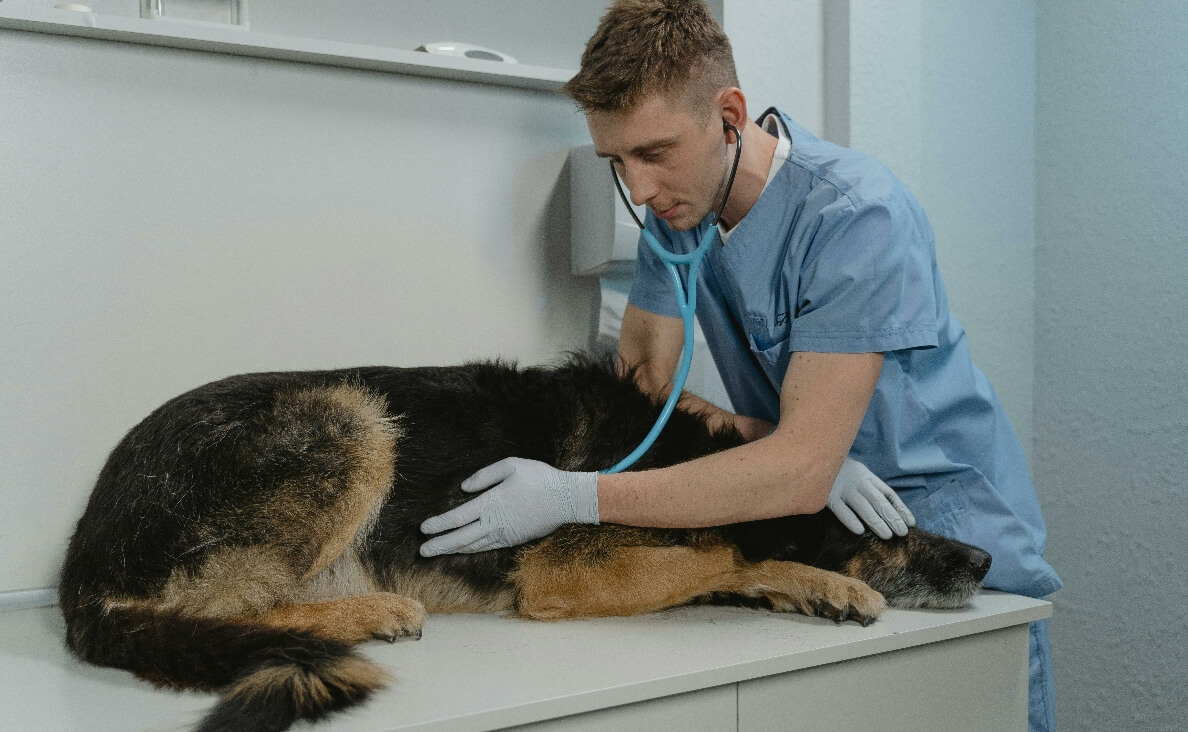
Dogs experiencing a sudden decline in energy, appetite, or body condition may be suffering from a serious medical condition.
Warning signs include:
- Extreme lethargy
- Refusing food or water
- Sudden weight loss
- Excessive thirst
- Visible muscle loss
- Increased sleeping
- Weakness
- Withdrawal or unusual behavior
These symptoms may indicate diabetes, kidney disease, cancer, severe infection, or other life-threatening illnesses requiring immediate medical attention.
Dogs often hide illness until they are very sick, which is why sudden physical decline should never be ignored.
Frequently Asked Questions
Am I overreacting if I take my dog to the emergency vet?
Many dog owners worry about overreacting, but it is always better to be cautious when serious symptoms are involved. Dogs often hide pain and illness until a condition becomes more advanced. If your dog is having trouble breathing, collapses, experiences seizures, cannot urinate, or shows sudden severe symptoms, immediate veterinary care is recommended.
Should I wait to see if my dog gets better?
Some mild symptoms may improve with rest, but serious symptoms should never be ignored. Difficulty breathing, repeated vomiting, pale gums, collapse, severe pain, seizures, or a swollen abdomen require prompt veterinary attention. Waiting too long can sometimes allow a condition to become life-threatening.
What should I do if my dog suddenly seems “off” but I can’t explain why?
Dog owners know their pets better than anyone. If your dog suddenly seems unusually tired, withdrawn, restless, confused, or physically different, trust your instincts. Subtle behavioral changes are sometimes the first sign of a serious medical problem.
Can a dog still be seriously injured even if they seem OK after an accident?
Yes. Dogs may appear normal immediately after a fall, vehicle accident, or other traumatic event while still suffering from internal injuries. Symptoms may not appear right away, which is why veterinary evaluation is important after serious trauma.
What symptoms should never wait until morning?
Difficulty breathing, seizures, collapse, inability to urinate, repeated vomiting, suspected poisoning, severe bleeding, unconsciousness, bloated abdomen, or signs of extreme pain should always be treated as emergencies.
Final Thoughts
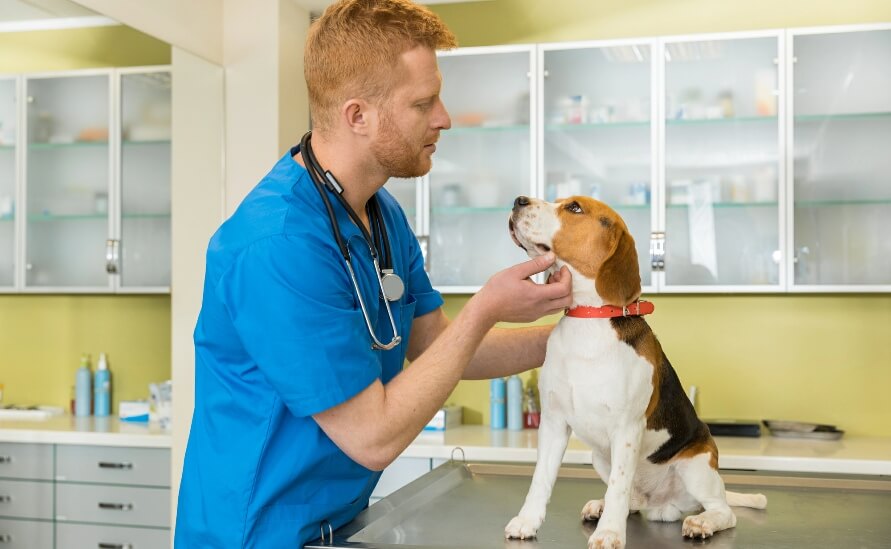
Knowing the signs your dog needs emergency veterinary care can help you act quickly during a frightening situation. While some emergencies are obvious, others may begin with subtle symptoms that become more serious over time.
Trust your instincts. If something feels seriously wrong with your dog, it is always safer to contact your veterinarian or an emergency veterinary clinic for guidance.
Early treatment can make a major difference in your dog’s recovery — and in some cases, it can save their life.
Have you ever experienced a pet emergency with your dog? Share your experience or advice for other dog parents in the comments below.
 35 Best Dog-Friendly Hiking Trails in Colorado Springs
 Xylitol Poisoning in Dogs
 10 Ways to Keep Your Dog Safe During the Fourth of July
 How to Help a Stray or Lost Dog
 16 Tips to Keep Your Dog Safe and Comfortable During Winter Weather




Leave a Reply