

Learning how to teach a puppy to wear a collar is one of the very first steps in raising a confident, comfortable dog. While it may seem simple, many new puppy owners are surprised when their puppy freezes, scratches, rolls on the floor, or acts upset as soon as a collar goes on.
The good news is that these reactions are completely normal. With patience, positive experiences, and the right approach, this process can be easy and stress-free for both you and your puppy.
This guide walks you through exactly what to do, step by step, so your puppy can adjust comfortably and confidently.
Why Puppies React to Wearing a Collar
Before diving into how to teach a puppy to wear a collar, it helps to understand why puppies react the way they do.
For a puppy, a collar is:
- A new sensation around a sensitive area (the neck)
- Something they didn’t choose
- Completely unfamiliar
Scratching, pawing, or freezing doesn’t mean your puppy hates the collar—it just means they’re learning. Understanding this makes early collar training feel far less frustrating.

When to Start Teaching a Puppy to Wear a Collar
Most puppies can begin learning how to teach a puppy to wear a collar as soon as they come home. There’s no need to wait weeks or months.
Your puppy is ready if they:
- Are comfortable being gently handled
- Can focus briefly during play or feeding
- Recover quickly from small surprises
Starting early makes this transition much easier than waiting until habits form.
Choose the Right Collar and Fit for Success
A big part of early collar success is choosing the right equipment.
What to look for:
- Lightweight, flat collar
- Soft material
- Adjustable fit
The collar should sit snugly but not tightly. A common guideline is the “two-finger rule”—you should be able to slide two fingers comfortably between the collar and your puppy’s neck. A poor fit can make the adjustment process unnecessarily uncomfortable.
When choosing a collar for a young puppy, lightweight and flexible options tend to work best. A simple flat nylon collar like this one is easy for puppies to adjust to because it doesn’t add extra bulk or stiffness around the neck. Starting with a collar that feels barely noticeable can make the process of getting used to wearing one much easier, especially for first-time puppy owners.

Introducing the Collar to Your Puppy
The first introduction sets the tone for how to teach a puppy to wear a collar.
Start by:
- Letting your puppy see and sniff the collar
- Staying calm and upbeat
- Avoiding any rush
This simple step helps your puppy view the collar as neutral rather than threatening, which supports how to teach a puppy to wear a collar the easy way.
Step-by-Step: How to Teach a Puppy to Wear a Collar
Step 1: Start With Very Short Wear Times
When starting collar training, think in seconds—not minutes.
Put the collar on briefly, then remove it before your puppy becomes uncomfortable. Ending on a calm note builds confidence and makes how to teach a puppy to wear a collar more successful over time.
Step 2: Use Specific Activities to Shift Focus
One of the most effective parts of early training is keeping your puppy mentally engaged.
Instead of waiting for your puppy to notice the collar, try:
- A short game of fetch
- Gentle tug-of-war
- A brief training session practicing “sit” or “stay”
These structured activities help your puppy associate wearing a collar with good things, reinforcing how to teach a puppy to wear a collar through positive experiences.
Step 3: Add Food-Based Enrichment
Food can be a powerful tool during collar training.
Treat puzzles or food-dispensing toys give your puppy something enjoyable to focus on while wearing the collar. This is especially helpful for smaller puppies or those who are more sensitive to new experiences.
Keeping sessions short and upbeat makes how to teach a puppy to wear a collar feel safe and rewarding.
Step 4: Gradually Increase Wear Time
Once your puppy is comfortable with short sessions, you can slowly extend how long they wear the collar.
Build up over days—not hours. Gradual progress is essential to how to teach a puppy to wear a collar without stress.

Reward Positive Behavior and Keep the Experience Positive
Positive reinforcement is at the heart of this process.
Use:
- Calm praise
- Small treats
- Encouraging body language
Avoid forcing the collar on or correcting your puppy for reacting. Pressure can slow progress and make how to teach a puppy to wear a collar more difficult than it needs to be.
Monitor for Discomfort or Irritation
As part of how to teach a puppy to wear a collar, regularly check your puppy’s neck and fur.
Watch for:
- Redness
- Hair loss
- Signs of irritation
Puppies grow quickly, and a collar that fit last week may need adjustment. Comfort plays a huge role in how to teach a puppy to wear a collar successfully.
Common Mistakes to Avoid When Teaching a Puppy to Wear a Collar
Avoiding these mistakes will make how to teach a puppy to wear a collar much smoother:
- Leaving the collar on too long too soon
- Using the collar for corrections
- Ignoring signs of stress
- Skipping positive activities
Patience and consistency matter more than speed when learning how to teach a puppy to wear a collar.
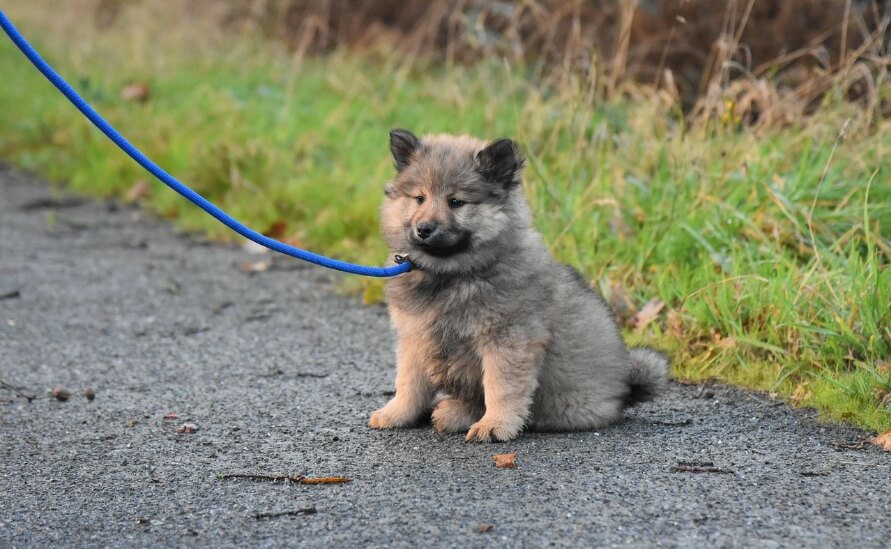
How Teaching a Puppy to Wear a Collar Prepares for Leash Training
One often-overlooked benefit of how to teach a puppy to wear a collar is how it sets the stage for leash training.
A puppy who is comfortable wearing a collar:
- Adjusts more easily to a leash
- Feels safer during walks
- Handles new environments with more confidence
Collar comfort is a foundational skill that supports future training success.
FAQs
How long does it take to teach a puppy to wear a collar?
Every puppy is different, but most puppies adjust within a few days to a week when introduced gradually. Short, positive sessions spread out over several days are key. Rushing the process can slow progress, while patience helps this adjustment feel easy and stress-free.
Is it normal if my puppy scratches or freezes when wearing a collar?
Yes, this is very common. Scratching, pawing at the collar, or briefly freezing are normal reactions to a new sensation. These behaviors usually fade as your puppy becomes more comfortable and learns that the collar is not a threat.
Should my puppy wear a collar all day?
Not at first. When learning how to teach a puppy to wear a collar, it’s best to start with short wear times and gradually increase them. Once your puppy is comfortable and calm wearing the collar, it can be worn for longer periods under supervision.
What type of collar is best for a young puppy?
A lightweight, flat collar made from soft material is best for puppies. It should be adjustable and fit comfortably around your puppy’s neck without being too tight. Heavy or restrictive collars can make how to teach a puppy to wear a collar more difficult.
When should I start leash training after my puppy wears a collar?
Once your puppy is comfortable wearing a collar without reacting to it, you can begin gentle leash introductions. Collar comfort is an important foundation for leash training and helps puppies feel more confident when learning new skills.
Final Thoughts
Learning how to teach a puppy to wear a collar doesn’t have to be stressful. With short sessions, positive activities, and gentle encouragement, most puppies adjust quickly and confidently.
Remember: progress over perfection. Each calm experience helps your puppy build trust and comfort, making how to teach a puppy to wear a collar a positive part of their early training journey.
What activity helped your puppy adjust most to wearing a collar—training games, playtime, or treat puzzles?
 How to Establish a Routine for Your New Puppy
 Surviving Puppy Fear Periods with Confidence
 New Puppy Checklist: Supplies You Need When Bringing a Puppy Home
 What You Should Know About Our New Dog Obedience Training Program
 How to Teach Your Puppy Their Name




Leave a Reply