

Most dog owners don’t think of themselves as the “journaling type.” Life is busy, routines are full, and caring for a dog already comes with plenty of responsibility. The idea of adding one more thing can feel unnecessary—or overwhelming.
But a dog journal isn’t about perfection, daily entries, or long reflections. It’s simply a way to notice patterns, track changes, and better understand your dog over time. Many dog parents are surprised to discover that keeping even a simple dog journal can quietly improve their dog’s well-being, strengthen communication with caregivers, and reduce stress when questions or concerns arise.
At its best, a dog journal doesn’t add pressure. It gives you perspective.
What Is a Dog Journal?
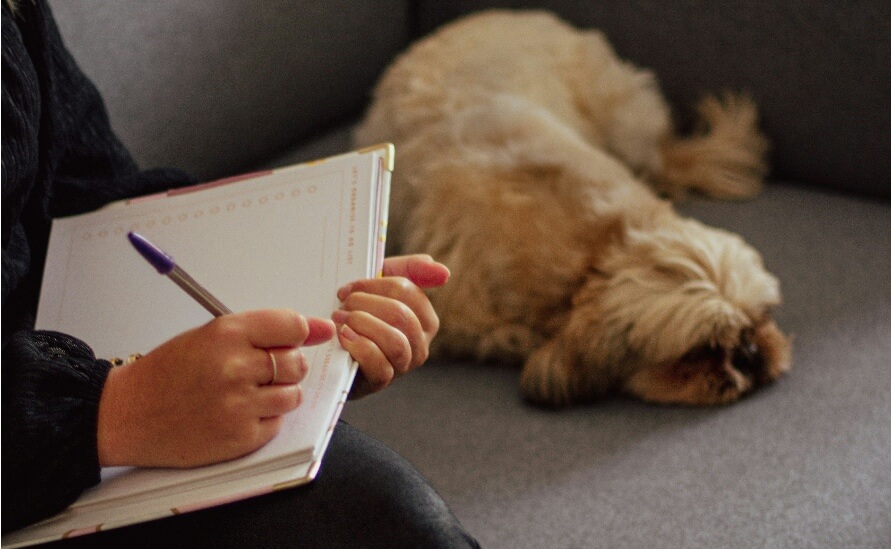
A dog journal is a flexible record of observations about your dog’s daily life. It might include notes about behavior, energy level, appetite, sleep, health changes, or social interactions. Some people use a notebook. Others jot quick notes in a phone app. Some write daily, while others only make entries when something changes.
What matters isn’t the format or frequency—it’s the habit of paying attention.
A dog journal is not:
- A training log you must fill out perfectly
- A rigid system with rules
- A daily chore that adds stress
Instead, it’s a tool that works for you, not the other way around.
How a Dog Journal Helps You Notice Subtle Changes
Dogs are masters at adapting. They often adjust quietly to discomfort, stress, or changes in their environment. Because we see our dogs every day, small shifts can blend into the background.
A dog journal helps bring those changes into focus.
Over time, simple notes can reveal patterns such as:
- Gradual decreases in energy
- Changes in sleep habits
- Shifts in mood or sociability
- New sensitivities to noise, handling, or activity
- Appetite fluctuations that don’t seem significant day to day
One “off” day may not mean much. A pattern over two or three weeks often does.
By looking back at your notes, you’re more likely to recognize trends early—before a small issue becomes a bigger concern.
The Health Benefits of Tracking Your Dog’s Daily Patterns
One of the most practical benefits of keeping a dog journal is how helpful it can be when health questions arise.
Dogs can’t tell us where something hurts or when something feels different. A journal helps fill in those gaps by capturing context. For example:
- When did a limp first appear?
- Did appetite change before or after a new food?
- Did restlessness increase around the same time as a routine shift?
- How long did a symptom last before resolving?
When you have even a few notes to reference, conversations with your veterinarian becomes clearer and more productive. Instead of relying on memory alone, you can share specific observations over time.
This doesn’t replace veterinary care—it supports it.

Why Dog Journals Are Especially Helpful During Times of Change
While a dog journal can benefit any dog, it’s especially powerful during periods of growth, transition, or increased care needs. These are the moments when patterns matter most.
Puppies and Young Dogs
Puppies change quickly—sometimes weekly, sometimes daily. Sleep cycles shift, energy levels fluctuate, and behaviors evolve as they learn about the world. Many of the small moments that come with raising a puppy are easy to forget later, especially during busy or challenging phases.
A dog journal can help puppy parents:
- Track potty training progress
- Notice overtired versus overstimulated behavior
- Identify early stress signals in social or group settings
- Understand how routine, food, or enrichment affect behavior
Rather than reacting to each new phase as it appears, journaling helps you see development as a process. That perspective can reduce frustration and build confidence during the puppy stage.
Dogs With Special Needs
Dogs with medical conditions, mobility challenges, anxiety, or behavioral sensitivities often require more individualized care. A dog journal can become an essential support tool.
Journaling may help track:
- Medication timing and response
- Pain or stiffness patterns
- Triggers that increase stress or discomfort
- Recovery progress after injury or surgery
- What strategies help—and what doesn’t
For dogs with special needs, consistency matters. A journal helps maintain that consistency even when routines change or multiple caregivers are involved.
Senior Dogs
As dogs age, changes tend to happen gradually. It can be hard to tell what’s normal aging and what might signal discomfort or decline. For many families, supporting a dog through the later stages of life means paying closer attention to comfort, routine, and subtle changes.
A dog journal helps senior dog parents:
- Notice subtle shifts in mobility or endurance
- Track sleep quality and rest patterns
- Monitor appetite and hydration
- Observe changes in tolerance for activity or social interaction
These observations support thoughtful decision-making and help prioritize comfort and quality of life as dogs move through their later years.

How a Dog Journal Supports Training, Daycare, and Grooming
Dogs don’t experience life in isolated compartments. What happens at home influences behavior in group settings, training sessions, grooming appointments, and daycare environments.
A dog journal can help bridge those contexts.
When owners share insights such as:
- Stress triggers
- Preferred play styles
- Energy patterns
- Recent changes at home
care professionals can better support the dog as a whole.
Clear communication leads to better experiences—not just for the dog, but for everyone involved.
How to Start a Dog Journal (Without Making It Complicated)
The most effective dog journals are the ones people actually use. Simple is better than perfect.
Here are three easy ways to begin:
-
Daily Bullet Points
Write one or two short notes per day. That’s it.
- “High energy in the morning, very sleepy by afternoon.”
- “Skipped breakfast but ate dinner normally.”
-
Weekly Check-Ins
Once a week, jot a short summary:
- Overall energy
- Mood
- Anything new or unusual
-
Change-Based Notes
Only write when something shifts:
- New behavior
- New routine
- New concern
There’s no wrong approach—only the one that fits your life.

What to Track in a Dog Journal
You don’t need to track everything. Start with what feels useful and add or remove categories as needed.
You don’t need to track everything. Start with what feels useful and add or remove categories as needed. A dog journal can include practical observations, learning progress, comfort preferences, and the moments that simply make you smile.
Possible things to note:
- Energy level
- Overall energy throughout the day
- Noticeable increases or decreases
- Appetite and eating habits
- Changes in interest in food
- Skipped meals or unusual hunger
- Sleep and rest patterns
- Where and how long your dog sleeps
- Restlessness or changes in routine
- Behavior or mood changes
- New behaviors or sensitivities
- Changes in confidence, anxiety, or reactivity
- Social interactions
- How your dog engages with people or other dogs
- Shifts in play style or tolerance
- Physical symptoms
- Limping, stiffness, itching, or digestive changes
- Anything new or recurring
- Changes in routine or environment
- Schedule changes
- Travel, visitors, weather shifts, or household changes
- Training and new learning
- New cues your dog is learning (sit, stay, leash walking)
- Progress with house training
- Improvements in focus or confidence
- Areas that still feel challenging
- Favorite comfort items and enrichment
- Favorite toys or chews
- Preferred blankets or beds
- Items that help your dog settle or relax
- Changes in interest (a toy they suddenly ignore or cling to)
- Care and group-setting notes
- How your dog seems before or after daycare
- Energy or mood changes following group play
- Stress signals or signs of enrichment
- Things that help your dog settle afterward
- Cute, funny, or memorable moments
- A new habit
- A favorite sleeping position
- A goofy play behavior
- Something that made you laugh that day
Recording these lighter moments can be just as meaningful as tracking health or behavior. Over time, they create a record of your dog’s personality—not just their patterns.

Final Thoughts
Keeping a dog journal isn’t about doing more—it’s about noticing more.
Whether you’re raising a puppy, supporting a dog with special needs, or caring for a senior companion, a dog journal offers a simple way to stay connected to your dog’s experience. It helps you see patterns, ask better questions, and make more informed decisions rooted in observation rather than guesswork.
You don’t need a perfect system. You just need a place to notice.
And sometimes, noticing makes all the difference.
Want to Try It?
If the idea of a dog journal sounds helpful—or even a little fun—you can start with something easy.
We’ve put together a simple Today’s Notes: Dog Journal Page if you want something you can try right away.
It’s meant to take only a few minutes—just a few notes, when you feel like writing something down. There’s no right or wrong way to use it. You might fill it out once, come back to it over a week, or only jot something down when a moment stands out.
Many dog parents are surprised by how much they notice once they start writing things down—even small, everyday moments that might otherwise slip by.
👉 Download the Today’s Notes: Dog Journal Page
We’d Love to Hear From You
What’s one funny, sweet, or unexpected thing your dog did recently that you’d write down in a journal?
 110 Dog Friendly Places to Shop in Colorado Springs
 The Ultimate Guide to Using a Flirt Pole for Dogs
 Is Biking With Your Dog Safe? Pros, Cons, and Safer Alternatives
 What to Know Before You Travel With Your Dog for an Extended Time
 Unleashing Joy: The Best Dog Toys of 2023




Leave a Reply