
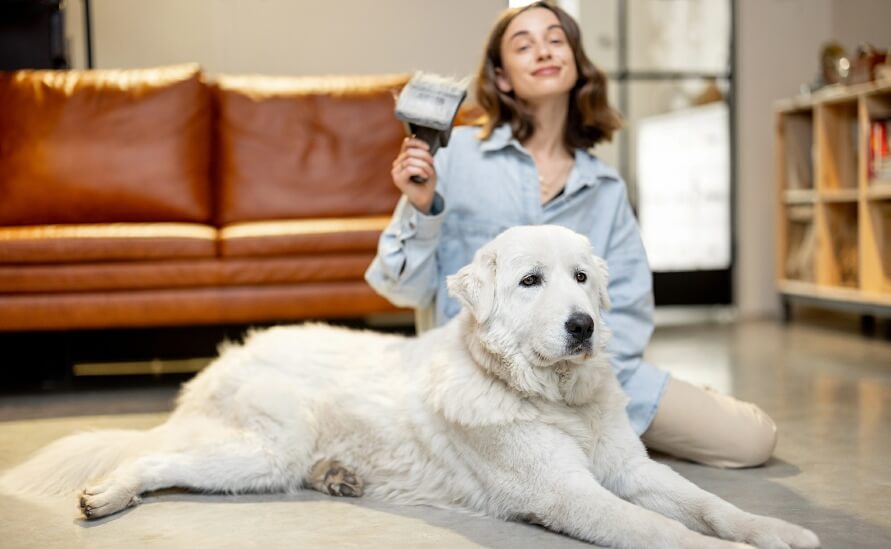
If it feels like your dog suddenly started leaving fur everywhere overnight, you’re not imagining it. Spring is shedding season for many dogs, and it often shows up just as we’re opening windows, doing spring cleaning, and spending more time outdoors.
Understanding why dogs shed more in spring can make this seasonal change feel far less frustrating. The good news is that spring shedding is usually completely normal—and with the right home care, it’s very manageable. Below, we’ll explain why dogs shed more in spring and share seven practical ways to manage shedding at home, along with guidance on when professional grooming support can help.
Why Do Dogs Shed More in Spring?
Many dog parents wonder why dogs shed more in spring, especially when shedding seems to increase so suddenly. The primary reason is seasonal coat transition. As daylight increases and temperatures warm, dogs naturally begin to shed their thicker winter coats to prepare for warmer weather.
This process is often called “blowing coat,” especially in double-coated breeds like German Shepherds, Huskies, Labs, and many mixed breeds. Even dogs with shorter coats may shed more noticeably in spring. The body responds more to changes in daylight than temperature, which explains why dogs shed more in spring even during cooler weeks.
Learning why dogs shed more in spring also helps you recognize what’s normal for your individual dog. Some dogs shed lightly over a longer period, while others release large amounts of hair in a short time. Knowing your dog’s typical shedding pattern makes it easier to spot changes that may need extra attention.
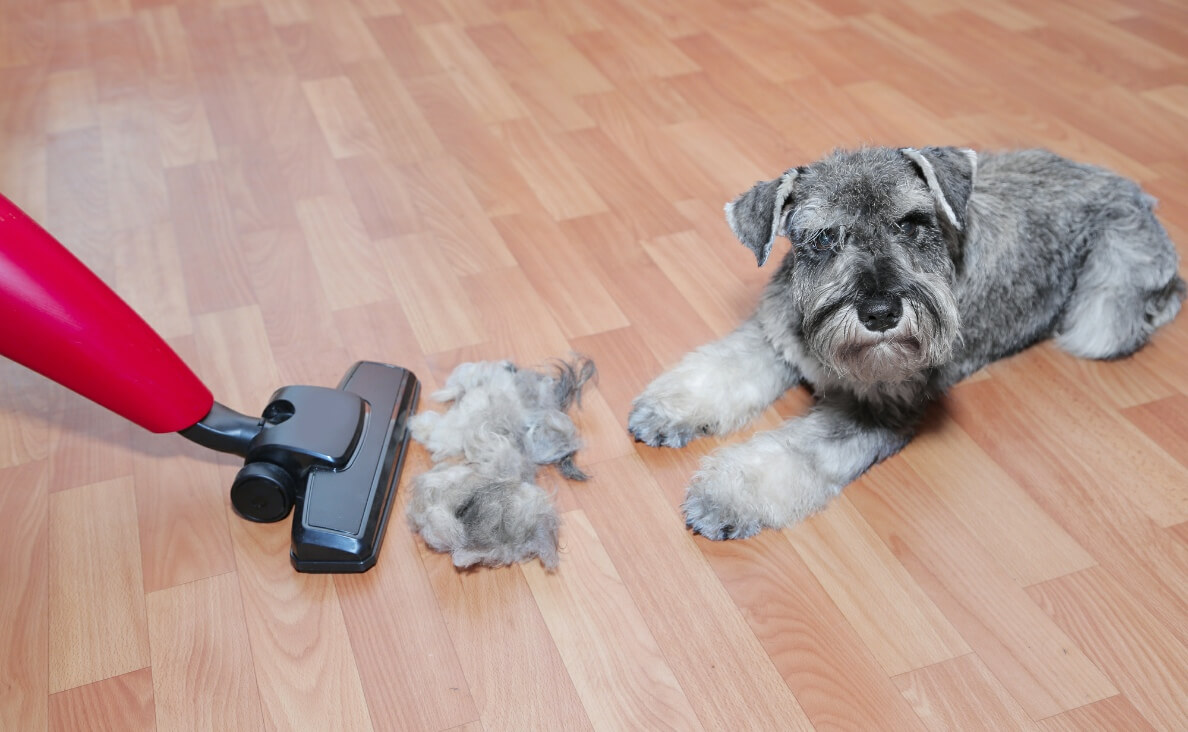
7 Ways to Manage Dog Shedding at Home This Spring
Once you understand why dogs shed more in spring, the next step is learning how to manage it. These seven tips focus on realistic, home-based care that supports coat health while keeping shedding under control.
-
Learn Your Dog’s Individual Shedding Pattern
One of the most overlooked steps in managing shedding is simply paying attention. Every dog sheds differently based on breed, coat type, age, activity level, and environment. Understanding why dogs shed more in spring is important, but learning how your dog sheds is even more helpful.
Take note of:
- When shedding starts each year
- How long heavy shedding lasts
- Whether shedding is even or patchy
Knowing your dog’s baseline helps you respond appropriately and makes it easier to tell when shedding might be excessive rather than seasonal.
-
Brush Your Dog’s Coat Frequently
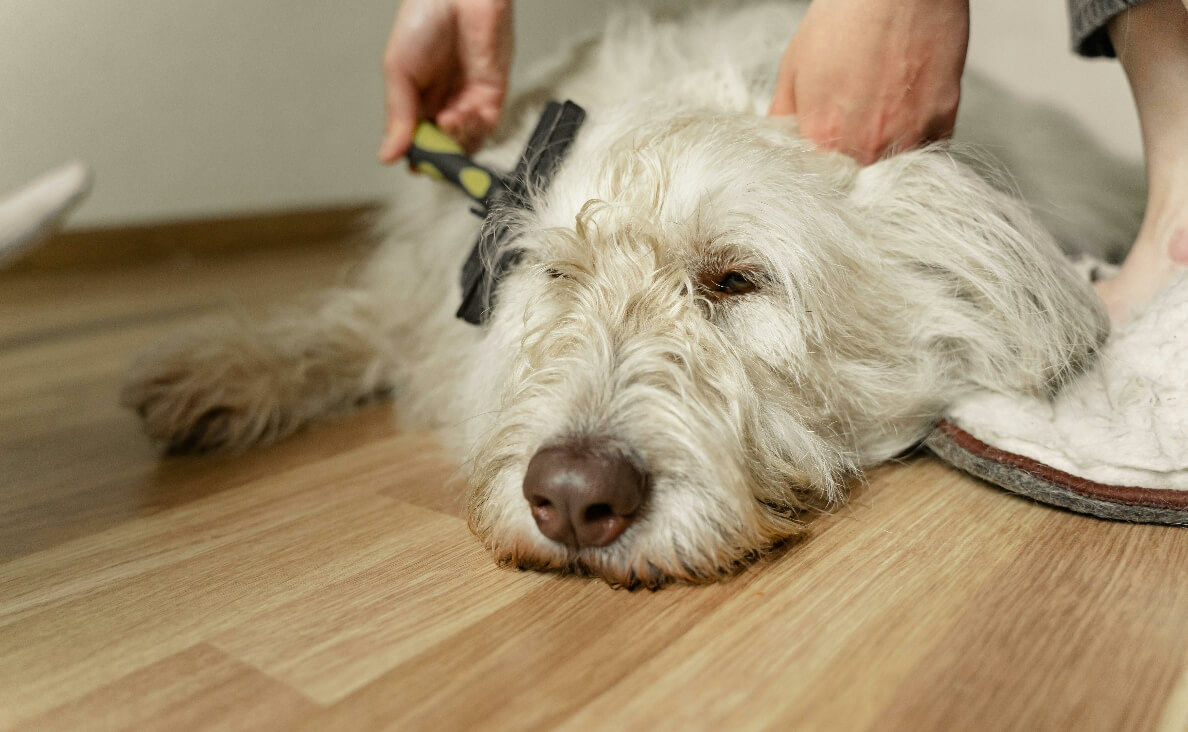
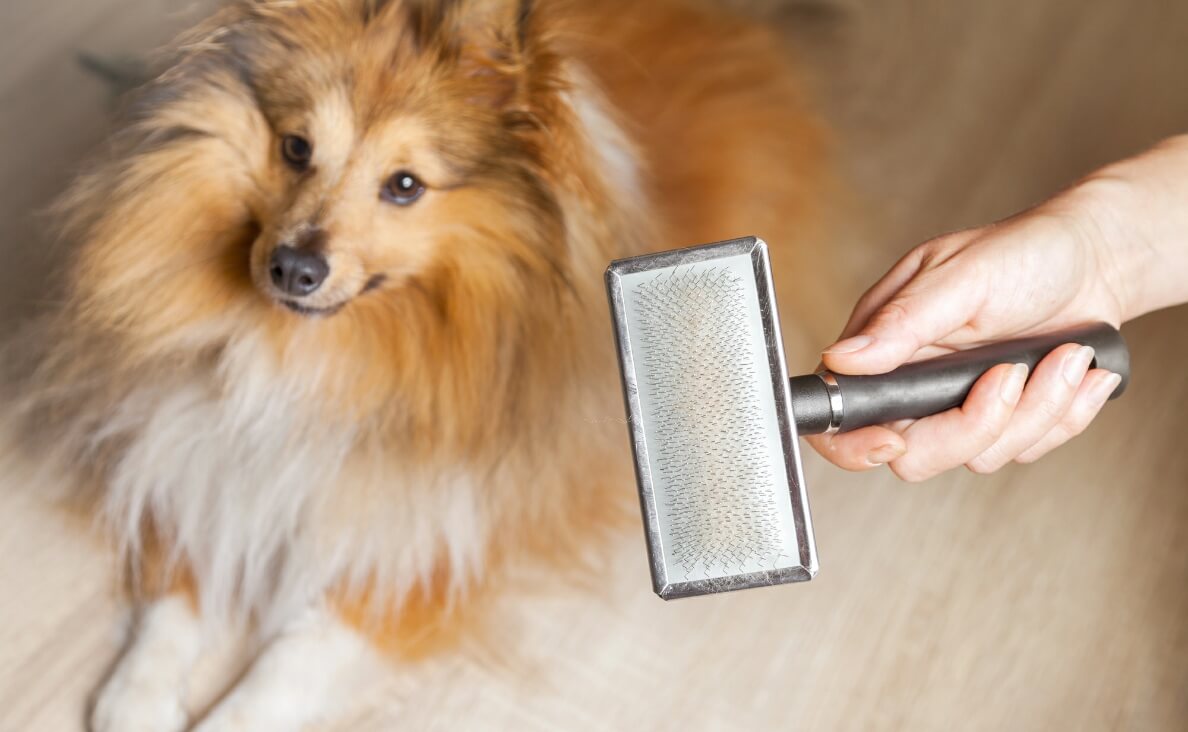
Brushing is one of the most effective ways to manage spring shedding. Regular brushing removes loose hair before it ends up on furniture, clothing, and floors. When dog parents understand why dogs shed more in spring, they’re often surprised by how much brushing alone can help.
General brushing guidelines:
- Short coats: several times per week
- Medium coats: every other day
- Thick or double coats: daily during peak shedding
Consistency matters more than intensity. Gentle, frequent brushing is far more effective than occasional aggressive sessions.
-
Choose the Right Brush and Shedding Tool
Not all grooming tools are created equal. Choosing the right brush and shedding tool makes a big difference in managing spring shedding safely and comfortably.
Common tools include:
- Bristle brushes for short coats
- Slicker or pin brushes for medium coats
- Undercoat or shedding tools for heavy shedders
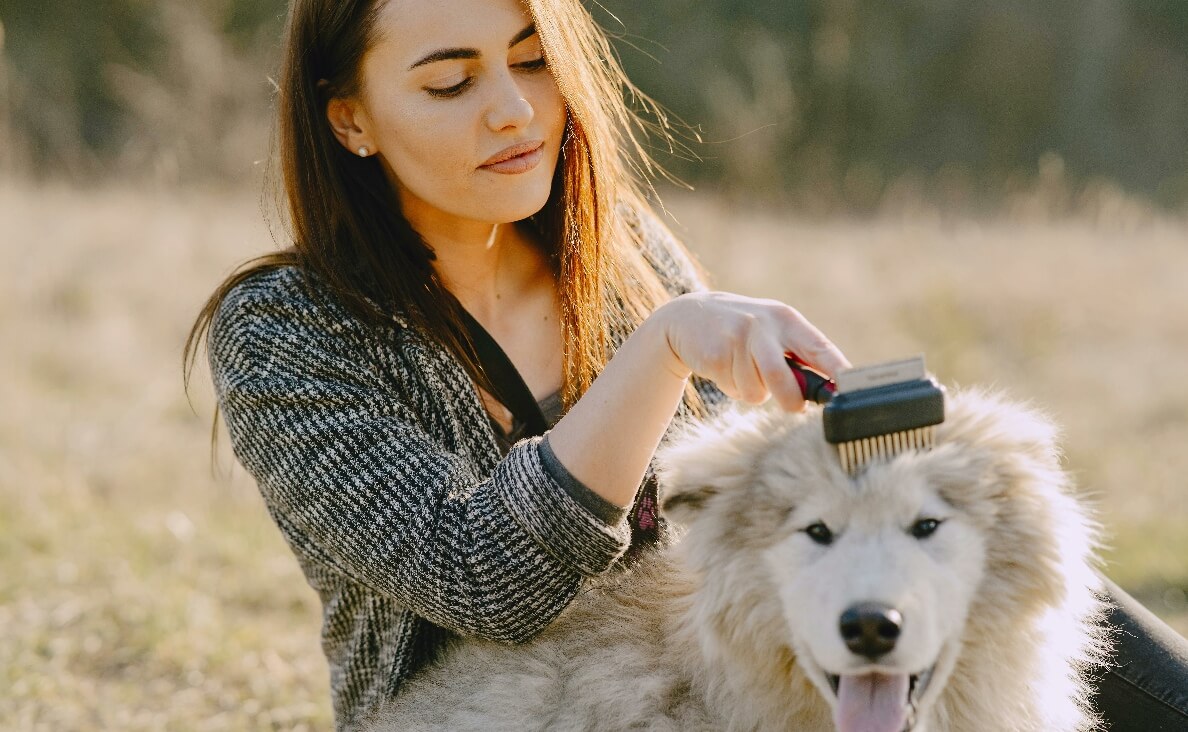
Some professional groomers use specialized undercoat tools to safely remove loose hair during heavy shedding seasons. At Canine Campus, our professional groomer Chris with Campus Clippers often uses a FURminator tool when appropriate, which can be especially helpful for dogs with thick or double coats. Used correctly, these tools can remove a surprising amount of loose fur while supporting coat health.
Because improper use can irritate the skin, shedding tools are often best handled by trained professionals.
Read more: Best Dog Brush for Shedding: Top Picks for a Fur-Free Home
-
Bathe Strategically—Not Excessively
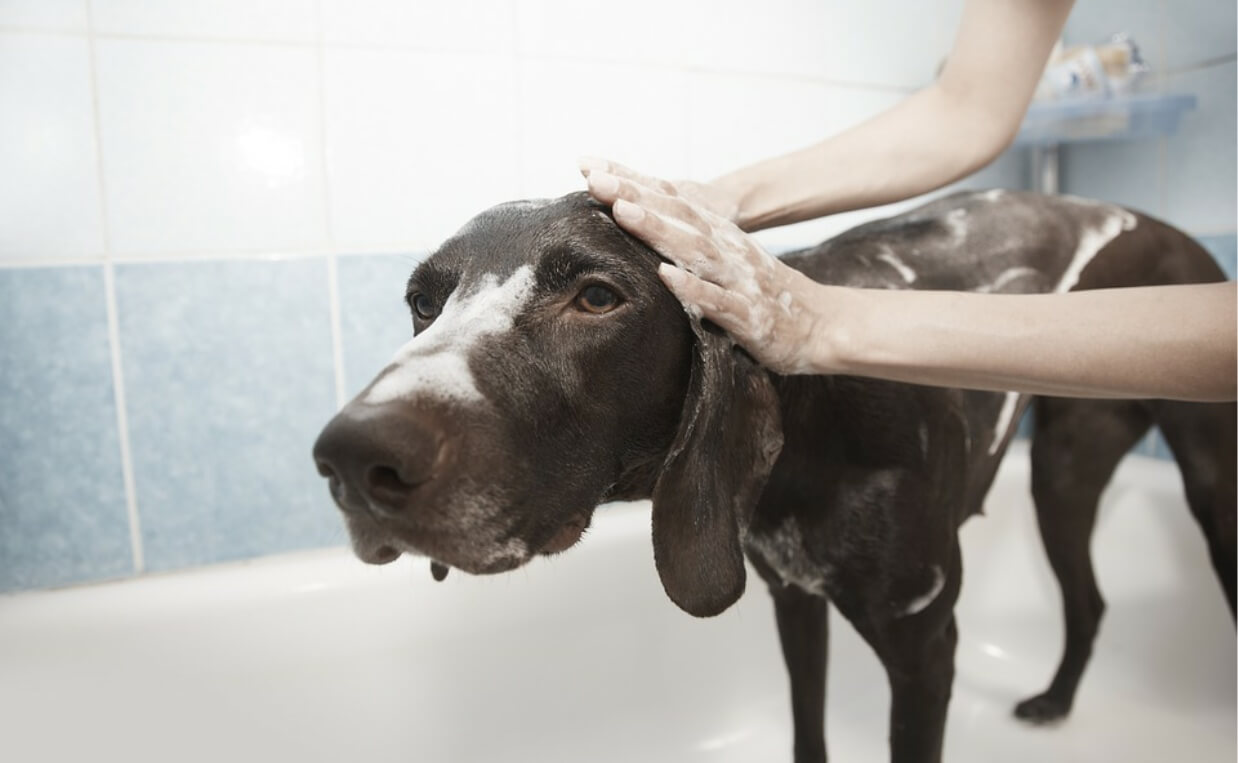
Bathing can help loosen and remove dead hair, but too many baths can dry out your dog’s skin and actually worsen shedding. Understanding why dogs shed more in spring helps clarify why timing matters.
For most dogs, bathing every 2–4 months is sufficient unless otherwise advised by a veterinarian or groomer. During spring shedding season, a well-timed bath followed by thorough brushing can significantly reduce loose hair.
Always use dog-safe shampoo and rinse thoroughly to prevent skin irritation.
Related: Best Shower Attachments for Dogs for an Easy Bath Time
-
Support Coat Health with Proper Nutrition and Hydration
Shedding isn’t just about grooming—it’s also influenced by overall health. A balanced, complete diet supports healthy skin and coat, which can reduce excessive shedding during seasonal changes.
Hydration is just as important. Dry skin can contribute to brittle hair and increased shedding. Make sure your dog always has access to fresh water, especially after walks, playtime, or daycare.
When dog parents ask why dogs shed more in spring, the answer often includes environmental changes—but nutrition and hydration play a supporting role in how smoothly that transition happens.
Related: 7 Creative Ways to Keep Your Dog Hydrated
-
Manage Shedding Inside Your Home
Even with excellent grooming, some shedding is unavoidable. Managing your home environment helps keep fur from feeling overwhelming.
Helpful strategies include:
- Washable dog bedding
- Furniture throws or covers
- Entry-way mats to catch hair after outdoor time
- Quick daily cleanup routines
The goal isn’t eliminating dog hair entirely—it’s reducing buildup so spring shedding feels manageable rather than stressful.
Related: 17 Tips for Keeping a Clean House with Dogs
-
Know When to Consult a Professional
While spring shedding is normal, there are times when extra hair loss may signal a problem. Understanding why dogs shed more in spring helps distinguish seasonal shedding from potential health concerns.
Consult a veterinarian or grooming professional if you notice:
- Bald patches
- Skin irritation or redness
- Sudden changes in shedding patterns
- Excessive itching or discomfort
Professional input ensures your dog stays healthy while navigating seasonal coat changes.
Related: Dog Itching Relief and Home Remedies for Skin Allergies
Extra Support During Shedding Season at Canine Campus
Home care goes a long way, but some dogs benefit from extra support during peak shedding season. Professional grooming can help safely remove loose undercoat and support skin and coat health.
Grooming at Canine Campus is designed to complement good home care, especially during spring when shedding is at its heaviest. Professional tools, techniques, and experience—like undercoat removal with specialized shedding tools—can make spring shedding easier for both dogs and their families.
FAQs
Why do dogs shed more in spring?
Dogs shed more in spring as they transition from their thicker winter coat to a lighter summer coat. Increasing daylight triggers this natural process, often called “blowing coat,” especially in double-coated breeds.
Is spring shedding normal for all dogs?
Yes, spring shedding is normal for most dogs, though the amount varies by breed, coat type, and individual biology. Some dogs shed lightly over time, while others shed heavily for a shorter period.
How long does spring shedding usually last?
Spring shedding typically lasts a few weeks to a couple of months. Regular brushing and proper coat care can help shorten the shedding period and reduce loose hair in your home.
What is the best way to reduce dog shedding at home?
Frequent brushing with the right tools, strategic bathing, proper nutrition, and good hydration are the most effective ways to manage shedding at home during spring shedding season.
When should I worry about excessive shedding?
You should consult a veterinarian or grooming professional if shedding is sudden, patchy, or accompanied by skin irritation, redness, itching, or bald spots, as these may indicate an underlying issue.
Final Thoughts
Once you understand why dogs shed more in spring, shedding becomes less of a mystery and more of a manageable seasonal routine. With consistent brushing, the right tools, strategic bathing, good nutrition, and a supportive home environment, spring shedding doesn’t have to take over your life.
And when shedding feels like more than you can handle alone, professional grooming support is always available to help your dog stay comfortable and healthy through the season.
How does your dog’s shedding change each spring—and which of these tips are you planning to try first this year?
 Why You Shouldn’t Shave Your Dog This Summer
 Does Your Dog Have Hidden Dental Disease?
 9 Reasons to Take Your Dog to the Groomer Regularly
 What to Do If Your Dog Has Cracked Paw Pads
 How Often Should You Brush Your Dog’s Teeth?




Leave a Reply