

With more dog food choices available than ever, many pet parents are weighing fresh vs kibble for dogs and wondering which option truly supports long-term health. Subscription meal plans, refrigerated foods, traditional dry kibble, and raw diets all promise benefits — but deciding what matters most isn’t always straightforward.
This guide explains what each option involves, how nutritional standards apply, and what to consider when choosing a diet that supports your dog’s health and lifestyle.
What Is Kibble?
Kibble is dry, shelf-stable dog food that has been commercially prepared and heat-processed for preservation. It has been the most widely used feeding format for decades.
Well-formulated kibble offers several advantages:
- Long shelf life
- Convenient storage
- Portion consistency
- Typically lower cost per serving
- Often backed by feeding trials
Many kibble diets are designed to meet established nutritional standards and are formulated for specific life stages, such as puppies, adults, or seniors.
While kibble is more processed than fresh food, processing alone does not determine nutritional quality. What matters most is whether the final product provides complete and balanced nutrition for a dog’s life stage.

What Is Fresh Dog Food?
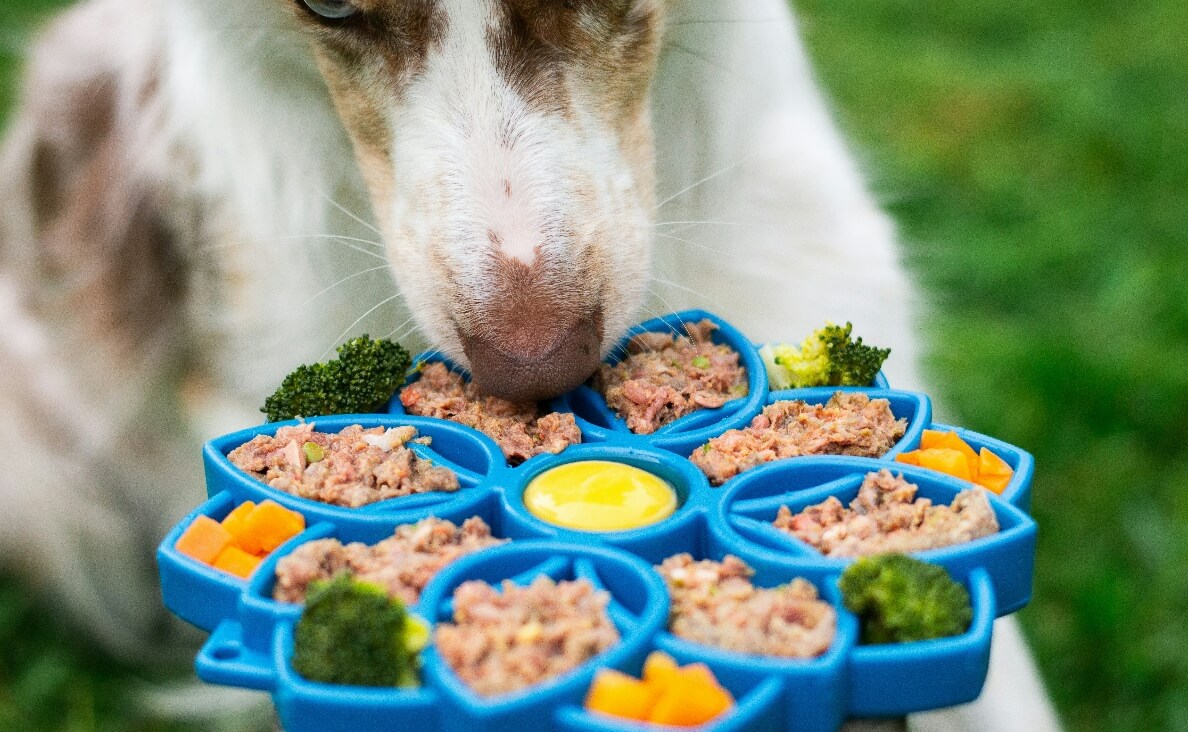
Fresh dog food typically refers to gently cooked meals made with recognizable ingredients such as meat, vegetables, and grains. These diets are often refrigerated or frozen and are frequently sold through subscription services.
Pet owners are often drawn to fresh diets because of:
- Ingredient transparency
- Minimal processing compared to kibble
- Perceived improvements in coat or digestion
- Palatability for picky eaters
Fresh food diets can be nutritionally complete — but this varies by brand. Not all fresh foods are formulated equally, and some may be intended only as supplemental toppers rather than standalone meals.
If you’re specifically considering preparing meals at home, you may also want to read our guide on Is Homemade Dog Food Right for Your Dog?, which explores the benefits and risks in more detail.
When comparing fresh vs kibble for dogs, it’s important to look beyond appearance and marketing. Both formats can be appropriate — or inappropriate — depending on formulation.
A Brief Note About Raw Diets
Some pet owners also explore raw feeding, which typically includes uncooked meat, bones, and organs. Supporters often cite ancestral feeding patterns as a rationale.
However, raw diets carry unique considerations. Major veterinary organizations, including the American Veterinary Medical Association, have expressed caution due to potential bacterial contamination risks and concerns about nutrient imbalance when not carefully formulated.
Because raw feeding involves specific food safety and nutritional precision issues, it is especially important to consult a veterinarian or a board-certified veterinary nutritionist before pursuing this approach.
For the purposes of this article, we will focus primarily on fresh (gently cooked) diets and kibble.
Fresh vs Kibble for Dogs: Key Differences to Consider
When evaluating fresh vs kibble for dogs, there are several practical differences worth considering.
-
Nutritional Balance and AAFCO Standards
One of the most important indicators to look for on any commercial dog food — fresh or kibble — is a statement from the Association of American Feed Control Officials (AAFCO).
AAFCO does not manufacture food, but it establishes nutritional guidelines used throughout the pet food industry. On packaging, you may see one of two statements:
- “Formulated to meet AAFCO nutrient profiles…”
- “Animal feeding tests using AAFCO procedures substantiate…”
The first means the food meets established nutrient targets on paper. The second indicates it has also undergone feeding trials.
When comparing fresh vs kibble for dogs, checking for an AAFCO statement helps ensure the product is intended to provide complete and balanced nutrition for a specific life stage.
-
Cost
Fresh food diets are typically more expensive than kibble. Subscription plans can significantly increase monthly feeding costs, especially for large-breed dogs.
Budget matters. A diet that strains finances may not be sustainable long term. Consistency is often more important than novelty.
-
Convenience and Storage
Kibble is easy to store, transport, and measure. Fresh food requires refrigeration or freezing and may have shorter shelf life.
For busy households or frequent travelers, convenience can be a deciding factor in the fresh vs kibble for dogs conversation.
-
Digestive Stability
Dogs often do best with consistency. Sudden dietary changes — whether switching to fresh food or back to kibble — can cause gastrointestinal upset.
Any transition should be gradual over 7–10 days, regardless of which direction you’re moving.
If your dog experiences recurring digestive upset, itching, or ear infections, diet may play a role. You can learn more in our guide to Understanding and Managing Dog Food Sensitivities, which explains common triggers and how to address them safely.

Can You Mix Fresh Food and Kibble?
Many pet owners choose not to pick a single side in the fresh vs kibble for dogs discussion. Instead, they combine the two.
Mixing fresh food with kibble can increase palatability and add variety. When done thoughtfully, this approach can work well for some dogs.
However, there are important considerations:
- Monitor total calorie intake to prevent weight gain
- Ensure the primary diet remains nutritionally complete
- Be cautious with high-fat additions, especially for small breeds or dogs prone to pancreatitis
- Transition gradually
For dogs on prescription or therapeutic diets, consult your veterinarian before mixing foods.
What Matters Most, Regardless of Diet Type
Rather than focusing exclusively on fresh vs kibble for dogs, it may be more helpful to consider what matters across all feeding styles.
Complete and Balanced Nutrition
Look for diets that meet established nutritional standards for your dog’s life stage.
Life Stage Appropriateness
Puppies, adults, and seniors have different nutrient requirements. Large-breed puppies in particular require carefully balanced calcium and phosphorus levels.
Ideal Body Condition
A healthy body weight plays a major role in joint health, metabolic function, and longevity.
Qualified Formulation
Some diets are formulated or reviewed by board-certified veterinary nutritionists credentialed through the American College of Veterinary Nutrition. These specialists undergo advanced training in animal nutrition beyond veterinary school.
While not every appropriate food must involve a DACVN, awareness of this credential can help pet owners make informed decisions.
Veterinary Oversight
Your veterinarian understands your dog’s health history, medical conditions, and risk factors. Diet decisions are best made in partnership with professional guidance.

FAQs About Fresh vs Kibble for Dogs
Is fresh dog food healthier than kibble?
Not necessarily. Both fresh food and kibble can support good health when they are complete, balanced, and appropriate for your dog’s life stage. The quality of formulation matters more than whether the food is fresh or dry.
Can I mix fresh food with kibble?
Yes, many pet owners combine fresh food and kibble. If you mix foods, monitor total calorie intake and make sure the overall diet remains nutritionally complete and balanced.
What does “complete and balanced” mean on dog food labels?
“Complete and balanced” means the food is formulated to provide essential nutrients in the correct amounts for a specific life stage. Look for a nutritional adequacy statement on the package indicating it meets recognized nutritional standards.
Is kibble too processed for dogs?
Kibble is processed to improve safety, shelf life, and consistency. Processing alone does not determine nutritional quality. Well-formulated kibble can provide complete and balanced nutrition.
Should I talk to my veterinarian before switching my dog’s diet?
Yes. Consult your veterinarian before switching diets, especially for puppies, senior dogs, dogs with medical conditions, or dogs on prescription diets.
Do dogs live longer on fresh food?
There is no conclusive long-term evidence that fresh diets universally extend lifespan compared to balanced kibble diets. Maintaining a healthy body weight and overall wellness has a stronger link to longevity.

How to Decide What’s Right for Your Dog
There is no universal answer in the fresh vs kibble for dogs debate. The right choice depends on several factors:
- Your dog’s age and health status
- Activity level
- Weight management goals
- Digestive tolerance
- Household budget
- Lifestyle and storage capacity
If you’d like additional guidance on evaluating ingredient lists, labeling, and nutritional claims, our article 8 Trustworthy Tips for Selecting the Right Dog Food walks through practical steps to help you make informed decisions.
If your dog is thriving on a current diet — maintaining a healthy weight, producing normal stools, and showing good energy — there may be no reason to change.
If you are considering switching, discuss the decision with your veterinarian and transition gradually.

Final Thoughts
Choosing between fresh vs kibble for dogs doesn’t have to be complicated. What matters most is whether the diet is complete and balanced, appropriate for your dog’s life stage, and sustainable for your household.
Both fresh and kibble diets can support good health when formulated correctly and matched to an individual dog’s needs. Instead of focusing on format alone, consider these questions:
- Is this diet complete and balanced?
- Is it appropriate for my dog’s life stage?
- Is it maintaining a healthy body condition?
- Is it practical and sustainable for my routine?
There is no single formula that works for every dog. Consistency, nutritional adequacy, and regular veterinary guidance will always matter more than trends.
What factors matter most to you when choosing your dog’s diet?
 Can Dogs Eat Bell Peppers?
 Why Isn’t My Puppy Eating?
 Understanding and Managing Dog Food Sensitivities
 10 Easy Ways to Improve Your Dog’s Kibble Diet
 High Value Treats for Dogs: What They Are and How to Use Them




Leave a Reply