

Dogs are living longer than ever thanks to better veterinary care, improved nutrition, and loving homes. As dogs grow older, however, they may develop age-related conditions such as dog dementia, also known as Canine Cognitive Dysfunction.
While aging can bring new health challenges, senior dogs also offer incredible companionship and loyalty. In fact, many pet lovers discover that adopting an older dog can be deeply rewarding. If you’re considering giving an older pet a home, our article on 5 reasons to adopt a senior dog explains why senior dogs make wonderful companions.
Aging affects many aspects of a dog’s body and behavior, and understanding these changes can help pet parents better support their senior companions. Our article on understanding aging in dogs explores how dogs change as they grow older and what owners can expect as their pets enter their senior years.
Pet owners may notice their senior dog pacing at night, staring at walls, or seeming disoriented in familiar spaces. These changes can be concerning and often leave owners wondering what they can do to help.
One of the most common questions people ask is whether diet can affect dog dementia. Can the food a dog eats influence brain health? Could certain nutrients help support cognitive function in aging dogs?
While diet alone cannot cure dog dementia, research suggests that nutrition may play an important role in supporting brain health. A balanced diet rich in specific nutrients may help protect brain cells, reduce inflammation, and support cognitive function as dogs age.
Understanding the relationship between diet and dog dementia can help pet parents make informed choices that support their dog’s overall wellbeing.
Can Diet Affect Dog Dementia?
The short answer is yes—diet may influence dog dementia, although it cannot cure the condition.
Just like in humans, the brain requires proper nutrition to function well. Nutrients that support brain health may help protect brain cells from damage, improve communication between neurons, and reduce inflammation in the brain.
Research has explored how nutrition affects cognitive decline in dogs. Studies led by researcher Dr. Norton W. Milgram found that senior dogs fed diets enriched with antioxidants and brain-supportive nutrients showed improvements in learning and memory compared with dogs fed standard diets. Much of this work was conducted through collaborations with veterinary researchers at institutions such as University of California, Davis.
These findings suggest that a dog dementia diet focused on brain-supportive nutrients may help slow some aspects of cognitive decline and support overall brain health.
However, diet is only one piece of the puzzle. Veterinary care, mental stimulation, exercise, and a consistent routine are also important for supporting dogs experiencing cognitive changes.

What Is Dog Dementia (Canine Cognitive Dysfunction)?
Dog dementia, or Canine Cognitive Dysfunction (CCD), is an age-related condition that affects the brain and leads to changes in memory, awareness, and behavior. It is often compared to Alzheimer’s disease in humans because the brain undergoes similar degenerative changes.
If you’d like a deeper look at the symptoms and management strategies for this condition, our guide on how to recognize and manage cognitive dysfunction in aging dogs explains what pet parents should watch for and how veterinarians typically approach treatment.
Several factors may contribute to dog dementia, including:
- oxidative stress that damages brain cells
- inflammation within brain tissue
- buildup of amyloid plaques in the brain
- reduced blood flow and oxygen delivery
- declining communication between nerve cells
These changes can gradually affect a dog’s ability to process information and interact with the world around them.
While dog dementia typically occurs in senior dogs, not every aging dog will develop the condition. When it does occur, the progression is often slow and subtle at first, making early symptoms easy to overlook.
Recognizing the signs of dog dementia early can help pet parents work with their veterinarian to provide support and improve their dog’s quality of life.
Signs of Dog Dementia Pet Owners Should Watch For
The symptoms of dog dementia can vary, but many dogs show noticeable changes in behavior or daily routines.
Common symptoms of dog dementia include pacing, confusion, staring at walls, disrupted sleep patterns, and getting stuck in corners or behind furniture. However, some of these behaviors can also occur when dogs begin to lose their vision or hearing. If your dog seems disoriented or less responsive, it may be helpful to learn how sensory changes affect senior dogs. Our guide on what to do if your senior dog is losing sight or hearing explains how these age-related changes can affect behavior and what pet owners can do to help.
Common signs of dog dementia include:
- pacing or wandering, especially at night
- staring at walls or into space
- getting stuck in corners or behind furniture
- confusion or disorientation in familiar places
- disrupted sleep patterns
- house-soiling despite previous training
- reduced interaction with family members
- increased anxiety or restlessness
Many dogs with dog dementia also experience changes in their sleep–wake cycle. A dog that once slept peacefully through the night may begin pacing, whining, or appearing restless.
Because the symptoms of dog dementia can appear gradually, many pet owners mistake them for normal aging. If you’re unsure whether your dog’s behavior may be related to cognitive decline, our article on recognizing cognitive dysfunction in aging dogs provides a more detailed look at the warning signs and when to seek veterinary guidance.
Early recognition can make a significant difference in managing symptoms and improving a dog’s comfort.
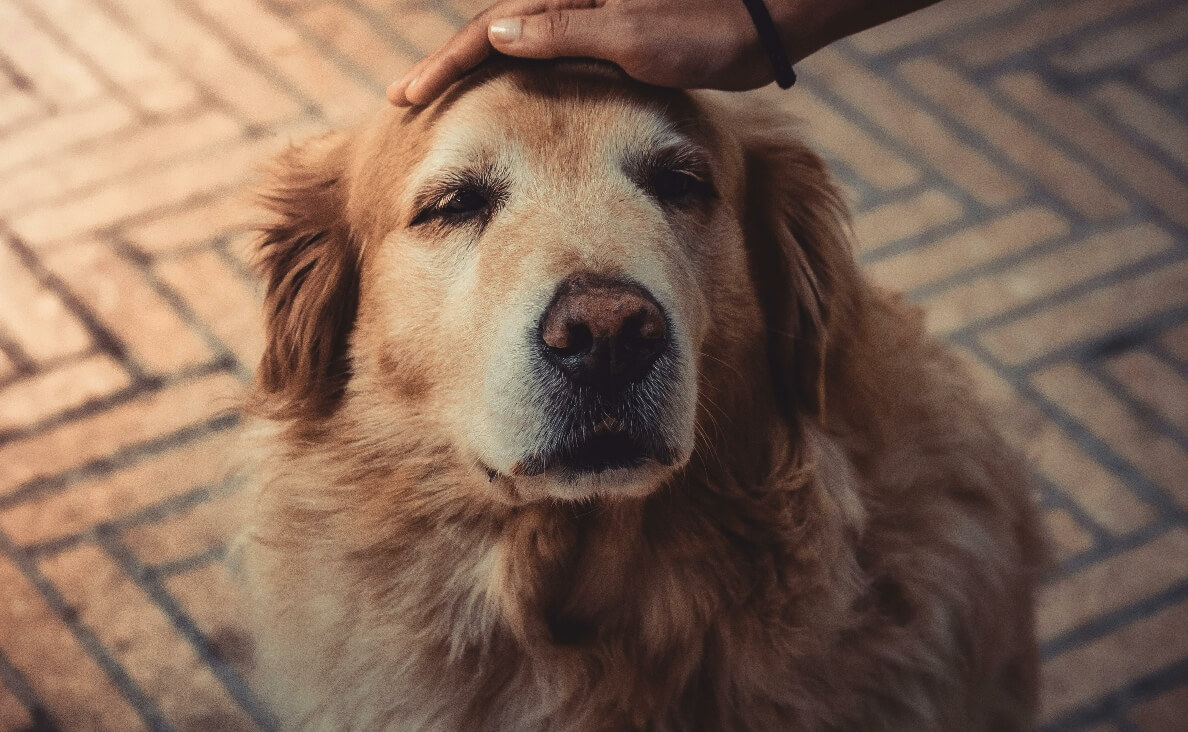
The Connection Between Diet and Dog Dementia
The brain is one of the most energy-demanding organs in the body, and proper nutrition plays an essential role in supporting its function. For dogs experiencing dog dementia, diet may help support brain health in several ways.
One important factor is inflammation. Chronic inflammation can contribute to brain aging and may worsen cognitive decline. Choosing foods with anti-inflammatory properties may help support healthier brain function.
Another factor is oxidative stress. As dogs age, their brain cells may be damaged by unstable molecules known as free radicals. Diets rich in antioxidants can help neutralize these molecules and protect brain tissue.
Some researchers also believe that providing the brain with an alternative fuel source may help support cognitive function. Medium-chain triglycerides (MCTs), a type of fat found in certain foods and supplements, can provide energy for brain cells when glucose metabolism becomes less efficient.
Many veterinarians recommend focusing on anti-inflammatory, nutrient-rich foods when considering a dog dementia diet. Some owners also explore fresh or minimally processed diets because they may provide higher levels of natural nutrients compared with heavily processed foods.
While dietary changes alone cannot reverse dog dementia, nutrition can play a supportive role in maintaining brain health.
Foods That May Support Brain Health in Dogs
Certain foods contain nutrients that may help support cognitive function in dogs experiencing dog dementia.
Examples include:
- fatty fish such as salmon or sardines, which contain omega-3 fatty acids
- blueberries and other antioxidant-rich fruits
- leafy greens that provide vitamins and phytonutrients
- high-quality protein sources that support overall health
- balanced fresh diets recommended by veterinarians
Omega-3 fatty acids found in fish are particularly important because they support brain cell membranes and may help reduce inflammation in the brain.
Antioxidant-rich fruits and vegetables may also help protect brain cells from oxidative damage. Ingredients like blueberries contain natural compounds that help neutralize harmful free radicals.
When considering foods for a dog dementia diet, it is important to ensure the overall diet remains balanced and appropriate for the dog’s nutritional needs. Pet parents should consult their veterinarian before making significant dietary changes.

Nutrients That May Help Protect Your Dog’s Brain
Certain nutrients have been studied for their potential to support brain health in dogs experiencing dog dementia.
Some of the most important include:
Omega-3 fatty acids (DHA and EPA)
These nutrients support brain cell structure, reduce inflammation, and may help maintain cognitive function.
Antioxidants
Vitamins such as vitamin E and vitamin C help reduce oxidative damage to brain cells.
B vitamins
These vitamins support nerve function and energy metabolism within brain cells.
Medium-chain triglycerides (MCTs)
These fats may provide the brain with an alternative energy source.
Some veterinarians may also recommend supplements that support brain health. These may include:
- L-arginine, which supports healthy blood flow
- taurine, an amino acid important for nervous system health
- S-adenosylmethionine (SAMe), used in some cognitive-support supplements
- PEA (palmitoylethanolamide), a compound studied for its anti-inflammatory effects
Because these supplements can interact with other medications or conditions, they should only be used under veterinary guidance.
Other Ways to Support a Dog With Dementia
Although nutrition is important, supporting a dog with dog dementia involves more than diet alone. Senior dogs benefit from consistent routines, regular exercise, mental stimulation, and a calm environment. Providing thoughtful daily care can make a meaningful difference in a dog’s comfort and wellbeing as they age. Our guide on how to provide the best care for your senior dog offers practical tips for supporting aging dogs and helping them stay healthy and engaged in their later years.
Several lifestyle strategies can help improve a dog’s comfort and wellbeing.
Maintaining a consistent routine can help reduce confusion. Dogs with cognitive decline often feel more secure when daily activities such as meals, walks, and bedtime occur at predictable times.
Mental stimulation can also be beneficial. Puzzle toys, gentle training exercises, and interactive games may help keep a dog’s mind engaged.
Regular physical exercise supports overall health and may improve sleep patterns.
Creating a calm and familiar environment is also important. Minimizing sudden changes in the home and providing safe, comfortable resting areas can help reduce anxiety.
Combined with proper nutrition, these strategies may help dogs experiencing dog dementia maintain a better quality of life.
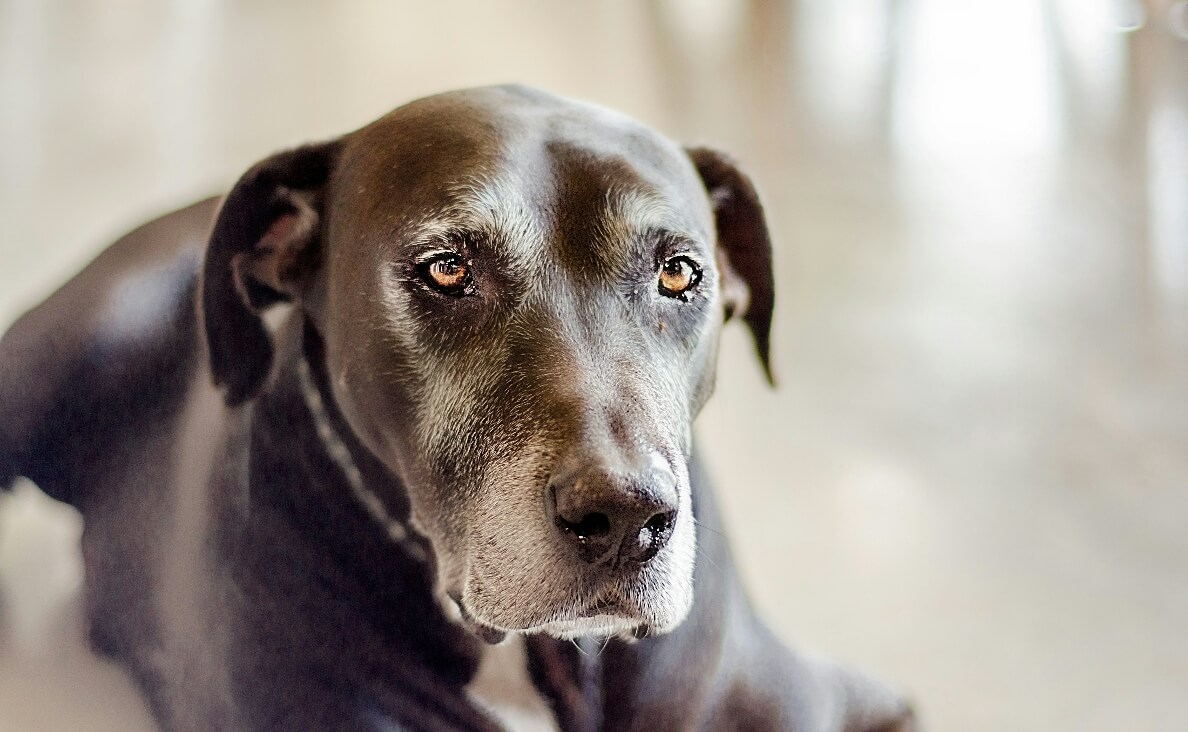
When to Talk to Your Veterinarian
If you suspect your dog may be experiencing dog dementia, it is important to consult your veterinarian.
A veterinarian can:
- evaluate your dog’s symptoms
- rule out other medical conditions that may cause similar behavior
- diagnose cognitive dysfunction if present
- recommend dietary adjustments or supplements
- suggest medications that may help manage symptoms
Early veterinary care can help slow the progression of dog dementia and improve your dog’s comfort.
FAQs
What is dog dementia?
Dog dementia is the common name for Canine Cognitive Dysfunction, an age-related condition that affects a dog’s brain function. It can lead to confusion, memory loss, disrupted sleep patterns, and behavioral changes. Dog dementia is most often seen in senior dogs and tends to develop gradually over time.
What are the early signs of dog dementia?
Early signs of dog dementia may include pacing, staring at walls, getting stuck in corners, disrupted sleep cycles, and confusion in familiar places. Some dogs may also become more anxious or interact less with their family members. Because these symptoms may appear slowly, they can sometimes be mistaken for normal aging.
Can diet help dogs with dementia?
Diet cannot cure dog dementia, but it may help support brain health. Nutrients such as omega-3 fatty acids, antioxidants, and certain vitamins may help protect brain cells from damage and support cognitive function. Many veterinarians recommend focusing on a balanced diet rich in brain-supportive nutrients for senior dogs.
What foods may support brain health in dogs?
Foods rich in omega-3 fatty acids and antioxidants may support brain health in dogs experiencing dog dementia. Examples include fatty fish like salmon, antioxidant-rich fruits such as blueberries, and leafy green vegetables. High-quality protein sources and balanced fresh diets may also help support overall health.
At what age do dogs typically develop dementia?
Dog dementia most commonly affects senior dogs, typically around age 10 or older, although this can vary depending on breed and overall health. Larger breeds often age faster and may show signs earlier than smaller breeds.
Can dog dementia be treated?
There is currently no cure for dog dementia, but veterinarians can recommend treatments that may help manage symptoms. These may include dietary changes, supplements that support brain health, medications, mental stimulation, and lifestyle adjustments to help improve a dog’s quality of life.
When should I talk to my veterinarian about dog dementia?
If you notice signs such as confusion, pacing, sleep disruption, or behavioral changes in your senior dog, it’s a good idea to consult your veterinarian. Early evaluation can help rule out other medical conditions and determine whether dog dementia may be affecting your dog.

Conclusion
Dog dementia is a challenging condition that affects many senior dogs, but early recognition and supportive care can make a meaningful difference. While there is no cure for Canine Cognitive Dysfunction, research suggests that nutrition may help support brain health by protecting brain cells, reducing inflammation, and providing key nutrients that support cognitive function.
A balanced dog dementia diet, combined with regular exercise, mental stimulation, and veterinary guidance, can help aging dogs remain comfortable and engaged as they grow older.
Have you noticed changes in your senior dog’s behavior—such as pacing, confusion, or sleep disruptions—that made you wonder about dog dementia?
 How to Safely Switch Your Dog’s Food Without Stomach Issues
 Understanding and Managing Dog Food Sensitivities
 5 Tips for Preventing Obesity in Your Dog
 5 Signs Your Dog Has Food Allergies
 10 Holiday Foods That Can Give Your Dog an Upset Stomach




Leave a Reply