
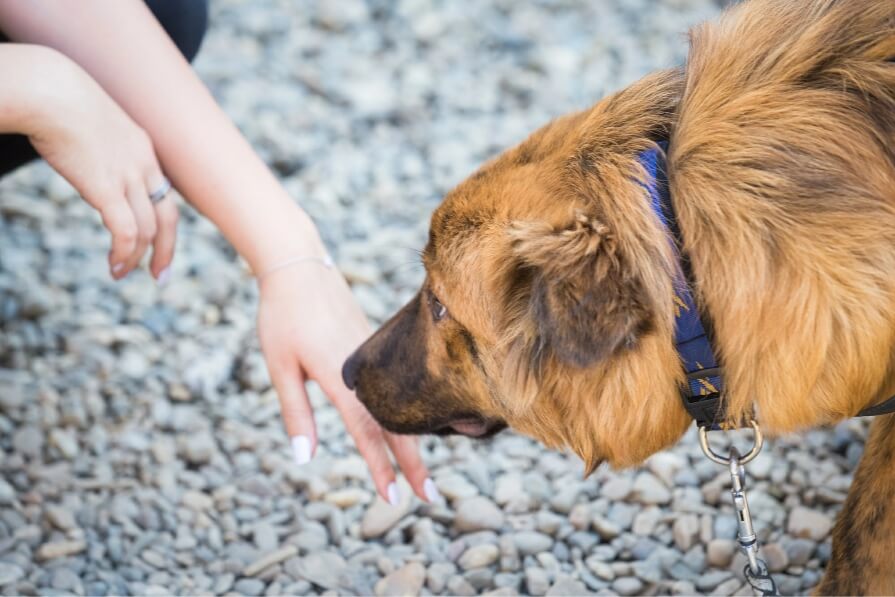
If your dog hides behind you when guests arrive, avoids eye contact at the park, or freezes in new situations, you’re not alone. Many pet parents wonder how to socialize a shy dog without making things worse. The good news is that shyness is common — and with the right approach, confidence can be built safely and gradually.
Learning how to socialize a shy dog starts with understanding why your dog behaves this way and how to move forward at their pace. If you’re searching for clear guidance on how to socialize a shy dog, the key is patience, structure, and positive reinforcement — not pressure.
Why Is My Dog Shy or Introverted?
Before diving into how to socialize a shy dog, it helps to understand the possible causes.
Lack of Early Socialization
Dogs have critical development windows, especially between 3 and 14 weeks of age. Limited exposure to people, environments, sounds, or other dogs during that time can lead to cautious behavior later in life.
Developmental Fear Periods
Puppies and adolescent dogs go through natural fear stages. During these periods, they may suddenly seem hesitant or reactive to things that didn’t bother them before. If you’re navigating this phase, our guide on Surviving Puppy Fear Periods with Confidence explains how to support your dog calmly and effectively.
Negative Past Experiences
Rescue dogs or dogs who experienced harsh handling, loud environments, or traumatic events may associate unfamiliar situations with stress.
Anxiety Disorders
Sometimes shyness is part of a broader anxiety issue. Persistent shaking, avoidance, or extreme stress responses may require professional support.
Understanding the root cause helps determine how to socialize a shy dog in a way that builds trust instead of increasing fear.
In some cases, persistent fear behaviors may indicate an anxiety disorder. Veterinary behaviorists note that early intervention leads to better long-term outcomes.
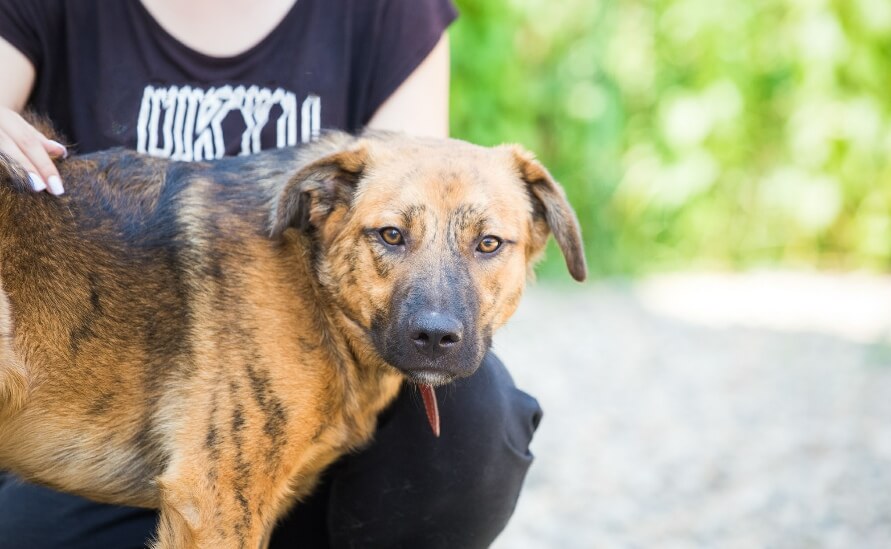
Shy vs. Fearful — What’s the Difference?
When deciding how to socialize a shy dog, it’s important to distinguish between shyness and fear.
A shy dog is cautious but curious. They may approach slowly, observe from a distance, or warm up gradually.
A fearful dog may:
- Tuck their tail tightly
- Avoid eye contact
- Freeze in place
- Lip lick or yawn repeatedly
- Attempt to escape
If your dog consistently freezes, shakes, or avoids interaction, their behavior may be rooted in anxiety rather than simple shyness. In that case, our guide on How to Help a Fearful Dog Overcome Anxiety offers deeper insight into recognizing and addressing anxiety-related behaviors.
Some shy dogs show behaviors that overlap with anxiety, such as persistent avoidance, freezing, or fear-based aggression. According to veterinary behavior expert Wailani Sung, MS, PhD, DVM, DACVB, these signs can indicate a deeper anxiety issue that benefits from professional evaluation and structured behavior modification.
The Biggest Mistake People Make When Socializing a Shy Dog
The most common mistake when learning how to socialize a shy dog is moving too fast.
It’s understandable — you want progress. But taking a shy dog to a crowded dog park, forcing greetings, or overwhelming them with stimulation can backfire.
Confidence grows from repeated positive experiences, not forced exposure. When socialization feels safe, learning happens naturally.

How to Socialize a Shy Dog Step-by-Step
If you’re wondering how to socialize a shy dog effectively, the process should always prioritize safety and gradual exposure. Understanding how to socialize a shy dog in manageable steps helps build lasting confidence rather than temporary compliance.
Step 1: Provide a Safe Space
Every shy dog needs a retreat area. This might be a crate (if crate-trained positively), a quiet corner, or a bed away from heavy traffic. Never disturb your dog in their safe zone. Knowing they can retreat reduces stress overall.
Step 2: Let Your Dog Set the Pace
When figuring out how to socialize a shy dog, voluntary interaction is key. Allow your dog to approach new people or dogs on their own terms. Reward curiosity with calm praise or treats.
Step 3: Start With One-on-One Introductions
When introducing your shy dog to another dog, choose a calm, well-socialized partner and meet in a neutral space. Keep interactions short and positive. If you’re unsure how to structure a safe first meeting, our guide on How to Introduce Dogs to Each Other walks you through the process step by step.
Step 4: Use Desensitization and Counterconditioning
Desensitization means exposing your dog to low levels of a trigger. Counterconditioning means pairing that exposure with something positive, like high-value treats. Gradually increase intensity only when your dog remains relaxed.
This method is one of the most effective strategies for how to socialize a shy dog safely.
Step 5: Reinforce Confidence
Reward brave behavior — even small steps like making eye contact or taking a few steps forward. Avoid punishment. Correcting fear responses can increase anxiety rather than reduce it.

Will My Shy Dog Grow Out of It?
Many owners hope shyness will fade with time. While mild caution may soften with maturity, most dogs benefit from intentional, structured socialization.
Waiting rarely builds confidence on its own. If you’re unsure how to socialize a shy dog, early gentle intervention produces better results than avoidance.
When to Seek Professional Help
If your dog shows persistent fear behaviors — freezing, shaking, growling from anxiety, or regression — it may be time to consult a trainer or veterinary behaviorist.
In some cases, medication prescribed by a veterinarian can support behavior modification. Medication isn’t a shortcut. It’s a tool that works best alongside training.
Can Structured Daycare Help a Shy Dog Build Confidence?
Not all daycare environments are the same. For some shy dogs, structured daycare with professional supervision can support social growth — when done properly.
High-quality programs include:
- Temperament evaluations
- Gradual introductions
- Small, carefully matched playgroups
- Supervised interactions
- Scheduled rest breaks
A thoughtful environment can help shy dogs experience positive peer interactions in a controlled setting.
If you’re in the Colorado Springs area, our team at Canine Campus carefully evaluates each dog and introduces shy dogs gradually into structured playgroups designed to build confidence — never overwhelm. The goal is steady progress, not forced interaction.

Signs Your Shy Dog Is Making Progress
Progress can be subtle. Look for:
- Approaching people voluntarily
- Relaxed tail position
- Shorter recovery time after new experiences
- Initiating play
- Increased curiosity
Learning how to socialize a shy dog is a journey. Small improvements add up.
FAQs
How long does it take to socialize a shy dog?
There is no universal timeline for how to socialize a shy dog because progress depends on your dog’s age, history, temperament, and consistency of training. Some dogs begin showing improvement within a few weeks of structured, positive exposure. Others may need several months to build steady confidence. The key is gradual progress — not rushing the process. Small, repeated positive experiences are far more effective than intense or overwhelming situations.
Can a shy rescue dog become confident?
Yes, a shy rescue dog can absolutely become more confident. Many rescue dogs simply need time, predictability, and patient socialization to feel safe. Learning how to socialize a shy dog with a rescue background means moving slowly, providing a secure home base, and pairing new experiences with positive reinforcement. While some dogs may always be naturally cautious, they can still develop resilience and comfort in everyday situations.
Is it too late to socialize an adult dog?
It is not too late to socialize an adult dog. While puppies have critical developmental windows, adult dogs are fully capable of learning new behaviors and building confidence. The approach may require more patience and structured exposure, but progress is still possible. When considering how to socialize a shy dog who is already an adult, focus on gradual introductions, calm environments, and consistent positive reinforcement.
Should I take my shy dog to the dog park?
Dog parks are often too overwhelming for shy dogs, especially early in the socialization process. Loud noises, unpredictable play styles, and high energy levels can increase stress rather than build confidence. Instead of starting at a dog park, focus on controlled, one-on-one introductions in quiet spaces. Once your dog shows steady improvement and comfort with smaller interactions, you can reassess whether larger group settings are appropriate.
How do I know if my dog has anxiety instead of shyness?
Shyness usually presents as cautious curiosity — your dog may observe from a distance but gradually warm up. Anxiety, however, often includes persistent stress signals such as trembling, freezing, excessive panting, growling rooted in fear, or difficulty recovering after exposure to a trigger. If your dog consistently shuts down or reacts intensely despite gradual socialization efforts, it may be helpful to consult a professional trainer or veterinarian to evaluate whether anxiety is involved.
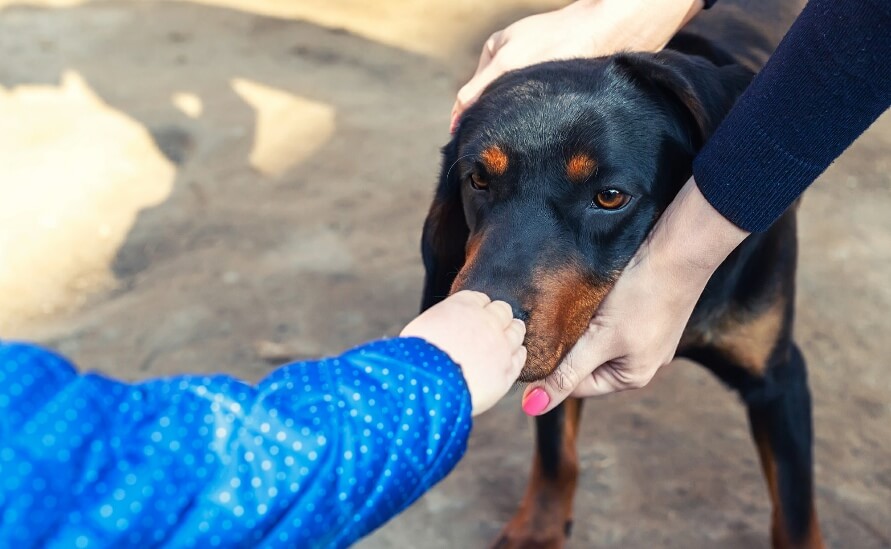
Confidence doesn’t happen overnight. But with patience, steady exposure, and positive experiences, even the shyest dog can learn that the world isn’t so scary after all.
What situations does your shy dog find most challenging? Please comment below – we’d love to hear from you!
 Why Dogs Scratch Doors and How to Stop It
 7 Tips to Teach Your Dog to Stop Pulling on the Leash
 How to Teach Your Dog to Stay: Step by Step for Success
 Top 5 Annoying Behavior Problems in Dogs and How to Correct Them
 Teach Your Dog to Put Their Toys Away: A Fun and Practical Guide




Leave a Reply