
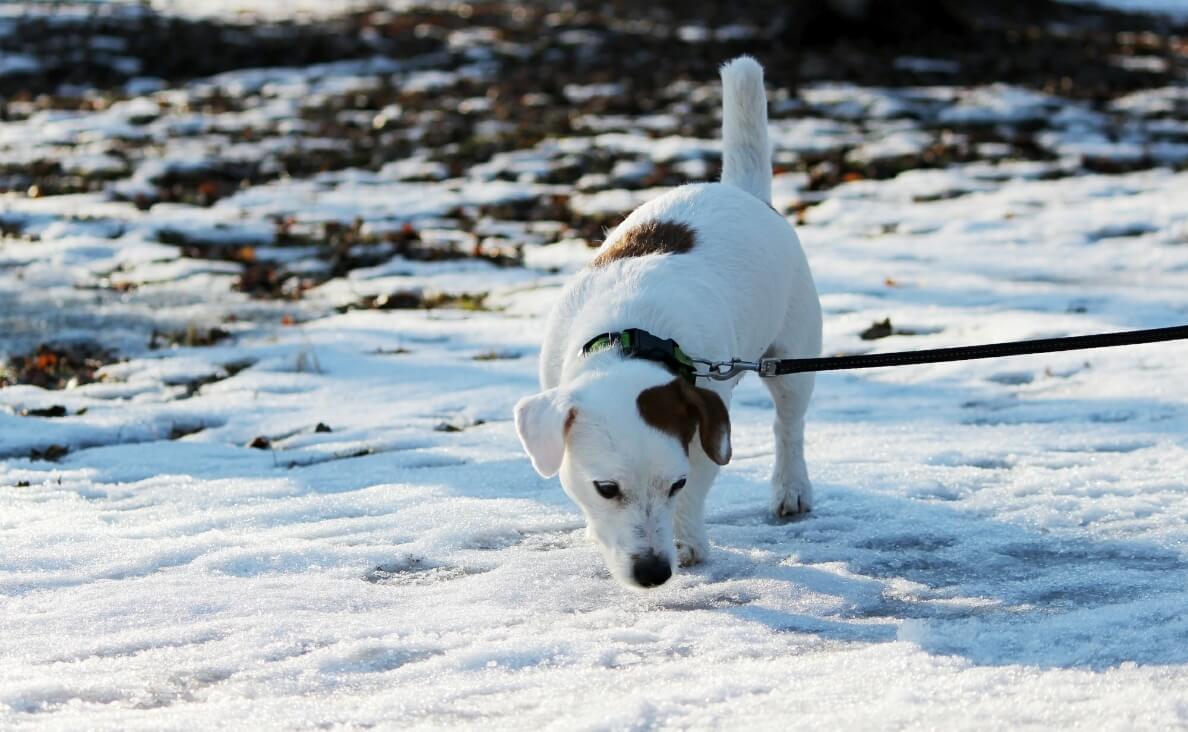
Winter brings beauty, but it also brings icy walkways, slippery driveways, and extra hazards for both dogs and humans. Many pet parents reach for traditional ice melt products to keep their homes safe, not realizing that the chemicals inside can irritate paws, cause stomach upset, and even lead to more serious health issues. The good news is that safer alternatives exist. With the right dog friendly ice melt and a few winter safety habits, you can protect your pup all season long.
This guide breaks down the safest products, the science behind pet-safe alternatives, the risks of traditional salts, and practical tips for keeping your dog comfortable and protected during icy weather.
Why Dog Owners Need Dog Friendly Ice Melt
Most standard ice melt products contain chlorides such as calcium chloride, magnesium chloride, potassium chloride, or plain rock salt (sodium chloride). While these chemicals help melt ice quickly, they are harsh on paws and skin. When dogs walk across treated surfaces, the particles can become lodged between their toes, causing dryness, cracks, redness, and even chemical burns.
Another concern is ingestion. Dogs often lick their paws after walks, which means they may ingest the residue left behind. Even a small amount can cause an upset stomach, drooling, or vomiting. Larger exposures may lead to more significant health problems.
Switching to dog friendly ice melt reduces these risks by avoiding harsh chlorides and using milder ingredients that are safer for paws and less harmful if ingested.
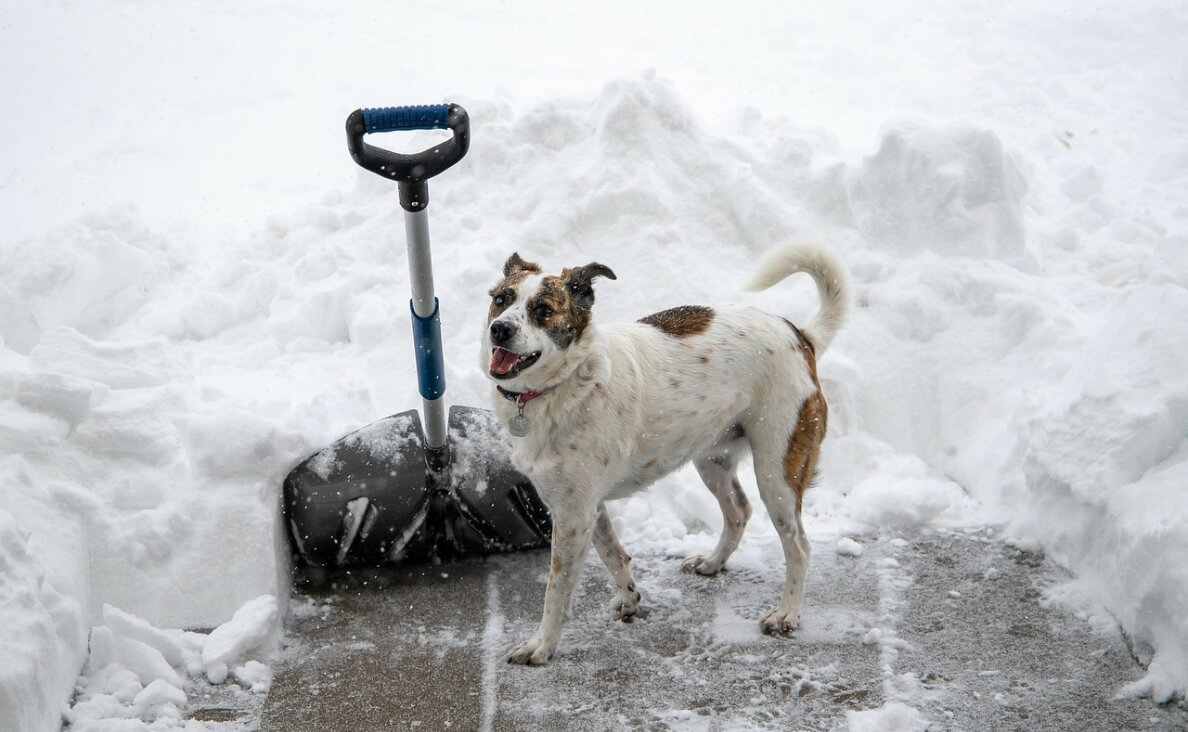
Health Risks of Traditional Ice Melt (What Pet Parents Need to Know)
Before exploring safer alternatives, it’s important to understand why traditional ice melt products pose a risk. The health effects fall into three main categories: topical, gastrointestinal, and—though rare—neurologic.
Topical Health Issues
Dogs exposed to chloride-based ice melt may develop:
- Redness or inflammation of the paw pads
- Dryness and cracking
- Chemical irritation between the toes
- Paw pad burns in severe cases
Signs that your dog may be uncomfortable include licking the paws excessively, limping, avoiding putting weight on the affected foot, or whining when the paws are touched.
Gastrointestinal Issues
If your dog licks ice melt residue off their paws or eats snow containing salt, they may experience:
- Vomiting
- Drooling
- Diarrhea
- Mouth irritation
Even small amounts can cause stomach upset. Larger amounts may cause electrolyte imbalances that can become serious if not addressed promptly.
Neurologic Issues
Neurologic symptoms are uncommon but can occur if a dog ingests a substantial quantity of chloride-based ice melt. These symptoms may include:
- Tremors
- Disorientation
- Seizures
This is a veterinary emergency.
Emergency Contact Information
If you believe your dog has ingested harmful ice melt, call:
- ASPCA Poison Control Hotline: 888-426-4435
- Pet Poison Helpline: 855-764-7661
These toxicology experts can determine whether your dog needs immediate medical care.
What Are Pet-Safe Ice Melts?
Pet-safe ice melts are products specifically formulated to reduce the risk of chemical irritation and toxicity. They avoid the most harmful chlorides and instead rely on ingredients that are gentler on paws and less dangerous if ingested.
However, the term “pet-safe” is not heavily regulated. Some products claim to be safe for pets even when they still contain chloride-based salts. That’s why reading labels is important. A true dog friendly ice melt should be clear about its ingredients and free from harsh chlorides.
How Pet-Safe Ice Melts Work
Different types of dog friendly ice melt work in different ways, depending on their active ingredient.
Urea-Based Products
Urea lowers the freezing point of water, allowing ice to melt at moderately low temperatures. It does not burn paws and is far less irritating if swallowed.
Calcium Magnesium Acetate (CMA)
CMA works by preventing ice from bonding tightly to surfaces, which makes it easier to remove. It is biodegradable and gentle on both paws and landscaping.
Sand or Traction Aids
These do not melt ice at all, but they improve traction so you and your dog can walk safely. They are completely safe for pets and the environment.
Each option has its own strengths, which we explore next.

Types of Dog Friendly Ice Melt
The best dog friendly ice melt choices fall into four main categories. Each offers a safe alternative to traditional salt while still helping you manage icy walkways.
-
Urea-Based Ice Melt
Urea is one of the most common pet-safe ingredients. It is significantly gentler than chloride-based salts.
Pros:
- Safe for paws
- Safe if ingested in small amounts
- Effective for moderate winter conditions
Cons:
- Less effective in extreme cold
- Not ideal for thick ice
Urea-based products are a great everyday option for homes with pets.
-
CMA (Calcium Magnesium Acetate)
CMA is considered one of the most eco-friendly and pet-friendly ice melt options.
Benefits:
- Works well in moderate temperatures
- Gentle on skin and paws
- Less corrosive to concrete
- Safe around plants and waterways
This type of dog friendly ice melt is often used by municipalities because of its safety and low environmental impact.
-
Sand or Traction Materials
While not a true ice melt, sand offers a completely safe way to prevent slips and falls.
Benefits:
- No chemicals
- No irritation or toxicity
- Great for traction on packed snow
Sand works best when combined with regular shoveling.
-
DIY Options
Some homeowners prefer homemade solutions, such as:
- Sand mixed with a small amount of eco-friendly deicer
- Coffee grounds for traction
- Kitty litter (non-clumping varieties only)
DIY blends won’t melt ice but can help improve grip.
Tips for Using Dog Friendly Ice Melt Safely and Effectively
Choosing the right product is important, but using it properly is equally essential. Here are several ways to maximize safety this winter:
- Clear snow first—shovel or sweep before applying any product
- Apply dog friendly ice melt sparingly and evenly
- Store ice melt in a sealed container away from dogs
- Avoid overuse to protect concrete and minimize residue
- Always wipe your dog’s paws after walks, even if you used a pet-safe product
- Keep a “paw washing station” by the door with warm water and a towel
Small habits go a long way in preventing irritation and keeping your dog comfortable.
Related: What to Do If Your Dog Has Cracked Paw Pads
Additional Winter Paw Protection Tips
Beyond using dog friendly ice melt, consider a few extra precautions to protect your dog’s paws this winter:
- Use dog booties during especially cold or icy weather
- Apply a pet-safe paw balm before walks to create a protective barrier
- Trim fur between paw pads to prevent ice buildup
- Check paws after every walk for redness, cuts, or debris
- Keep nails trimmed to reduce slipping
These small steps help prevent irritation and discomfort.
Related: Dog Paw Care 101: Keep Your Pup’s Paws Healthy
What to Avoid: Ice Melt NOT Safe for Dogs
To protect your pet, avoid products that contain:
- Sodium chloride (rock salt)
- Calcium chloride
- Magnesium chloride
- Blends labeled “fast acting” or “extreme melt”
- Products without a clear ingredient list
If a product does not clearly state what is inside, it is safer to assume it is not a dog friendly ice melt.

Frequently Asked Questions (FAQs)
-
Is dog friendly ice melt completely safe?
Dog friendly ice melt is much safer than traditional salts, but no product is completely risk-free. Dogs should not ingest any ice melt, and you should still wipe their paws after walks.
-
Can pet-safe ice melt harm my dog if they lick it?
Most dog friendly ice melt products are far less irritating if swallowed, but ingestion can still cause mild stomach upset. Monitor your dog and call a veterinarian if symptoms occur.
-
Is sand better than dog friendly ice melt?
Sand is completely safe and offers great traction, but it will not melt ice. Using both sand and a pet-safe product can provide maximum safety.
-
Can I use pet-safe ice melt on concrete or wood?
Urea and CMA are generally safe for most surfaces, but always check the label. Some products may still cause mild surface wear.
-
What should I do if my dog walks through traditional salt?
Rinse paws with warm water right away, dry thoroughly, and monitor for irritation. If symptoms worsen, contact your veterinarian.
Conclusion
Winter weather brings challenges, but protecting your dog doesn’t have to be complicated. By choosing a dog friendly ice melt, keeping walkways clear, and practicing a few simple paw care habits, you can create a safer winter environment for both you and your pup. A little preparation goes a long way in ensuring your dog stays comfortable and healthy during icy conditions.
Your turn!
What dog friendly ice melt solutions have worked best for your home? Share your winter safety tips in the comments below!
 How to Help a Stray or Lost Dog
 How to Dog Proof Your Home: Simple Ways to Stop Chewing, Digging, and Scratching
 What Are Smart Dog Collars?
 How to Teach Kids to Pet an Unknown Dog
 What To Do If Your Dog Eats Chocolate




Leave a Reply