
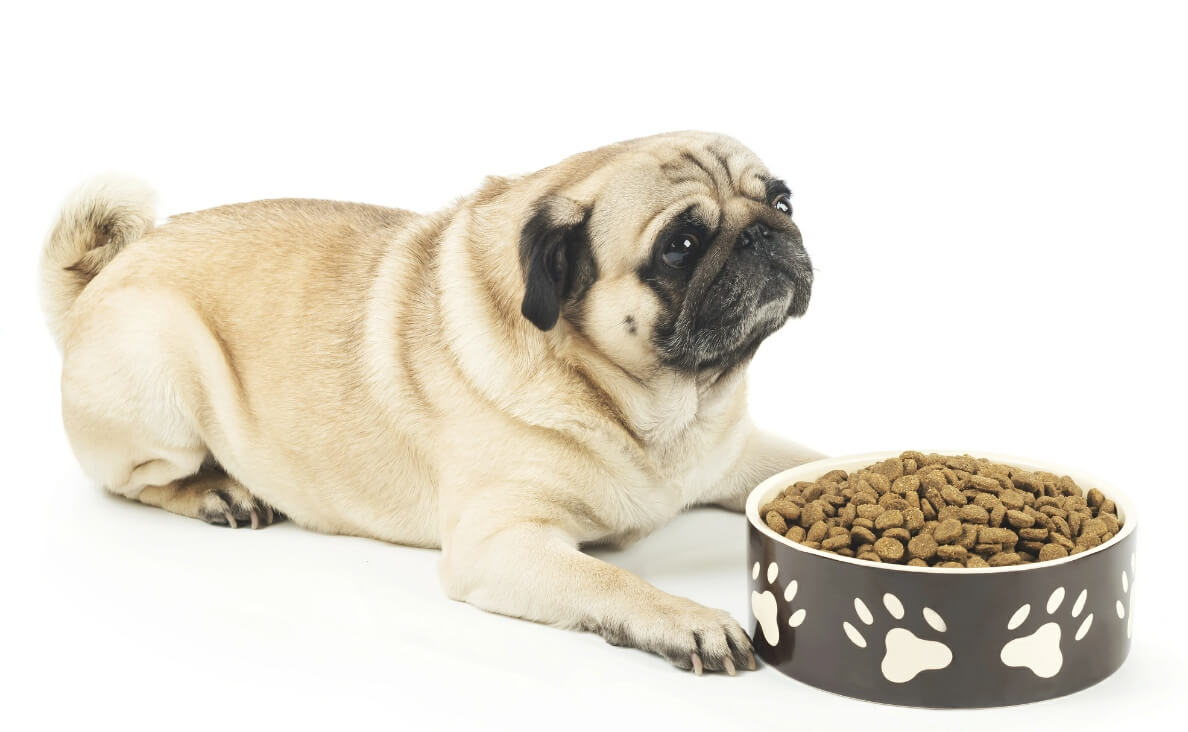
When your dog not eating suddenly becomes noticeable, it can be deeply unsettling. For many pet parents, appetite is one of the clearest signs of health, so when a dog skips meals or turns away from food, concern sets in quickly. The good news is that appetite loss is often caused by something temporary or non-serious. However, in some cases, changes in eating habits can signal a medical or emotional issue that needs attention.
This guide will walk you through the most common reasons dogs lose interest in food, what you can safely do at home, and when it’s time to call your veterinarian.
Why Is My Dog Not Eating?
A dog not eating can be influenced by many factors, ranging from everyday stress to underlying health concerns. Understanding the context around appetite changes is key to knowing how worried you should be.
In many cases, reduced appetite is temporary and resolves once the underlying cause is addressed. In others—especially when additional symptoms appear—loss of appetite should be taken seriously.
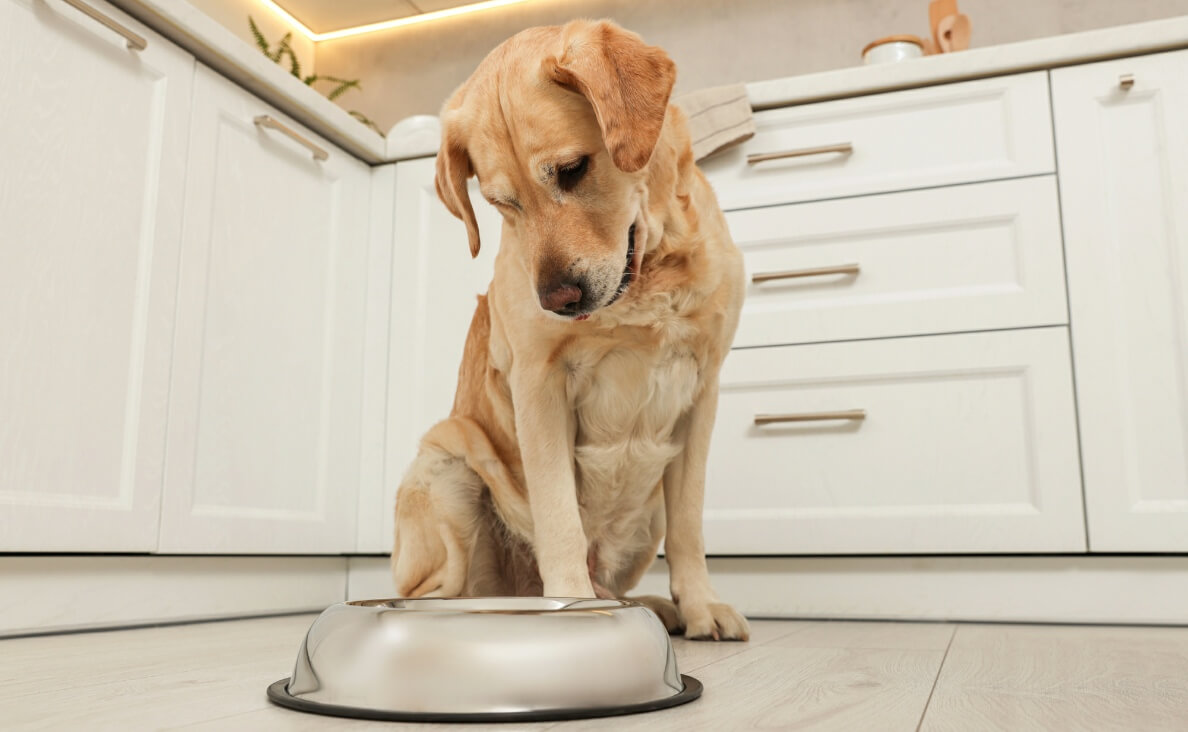
Common, Non-Serious Reasons a Dog May Not Be Eating
Before assuming the worst, it’s important to know that many dogs experience brief appetite changes. Skipping meals for a short period doesn’t always mean something is wrong.
Stress or Anxiety
Stress is one of the most common reasons for a dog not eating. Changes in routine, new environments, boarding, travel, loud noises, or even changes in household energy can cause anxiety. A dog not eating due to stress may still act relatively normal otherwise.
Environmental or Routine Changes
Dogs thrive on consistency. Appetite changes may occur when feeding locations change, bowls are replaced, meal times shift, or household routines are disrupted. Even positive changes can temporarily reduce interest in food.
Heat or Weather Changes
Hot weather often reduces appetite. During warmer months, a dog not eating as much as usual may simply need fewer calories due to lower activity levels.
Picky Eating or Learned Behavior
Sometimes food refusal is behavioral. If a dog has been offered frequent treats, table scraps, or frequent food changes, they may hold out for something better. In these cases, appetite loss is driven by habits rather than health.

Dog Not Eating but Acting Normal: What Does It Mean?
One of the most common questions pet parents ask is whether to worry when a dog not eating still seems otherwise fine. If your dog maintains normal energy, bathroom habits, and behavior, monitoring at home for a short time may be appropriate.
However, appetite changes should still be watched closely. Dogs often hide discomfort well, and changes in eating habits may be the first visible sign that something isn’t right.
General guidelines:
- A healthy adult dog skipping meals for up to 24 hours may be monitored.
- Puppies and senior dogs should be evaluated sooner.
Appetite loss lasting more than 24–48 hours warrants closer attention.
Medical Reasons a Dog May Stop Eating
While many cases of a dog not eating are minor, medical causes should never be ignored.
Dental Pain or Mouth Issues
Dental problems such as broken teeth, gum disease, or oral infections can make eating uncomfortable. Dogs may approach food and back away, chew on one side, or drop kibble.
Digestive Upset
Nausea, constipation, diarrhea, or gas can all lead to a dog not eating. A dog with digestive discomfort may also lick their lips, eat grass, or seem restless.
Illness or Infection
Sudden appetite loss can be an early sign of illness. A dog not eating accompanied by lethargy, vomiting, fever, or behavioral changes should be evaluated promptly.
Medications or Recent Vaccinations
Sudden loss of interest in food can be an early sign of illness. Appetite changes paired with lethargy, vomiting, fever, or behavioral shifts should be evaluated promptly.
Age-Related Appetite Changes
Senior dogs may experience a dog not eating due to changes in metabolism, dental health, or underlying chronic conditions. Appetite changes in older dogs deserve closer attention.

What to Do If Your Dog Is Not Eating
If your dog not eating seems mild and your dog is otherwise acting normal, there are a few safe steps you can take at home.
Short-Term Steps to Try
- Ensure fresh, clean water is always available.
- Reduce environmental stress and maintain routine.
- Feed in a quiet, calm location.
- Stick to regular feeding times.
Consistency often helps a dog not eating regain interest in meals.
What NOT to Do
When a dog not eating, avoid:
- Constantly switching foods
- Offering excessive treats or human food
- Panicking and overreacting too quickly
These actions can reinforce picky eating and prolong the issue.
When to Worry: Signs You Should Call the Vet
Loss of appetite can be an early indicator of illness, and veterinary professionals recommend seeking care when eating changes are accompanied by other symptoms.
Contact your veterinarian if your dog not eating is accompanied by:
- Refusal to eat for more than 24–48 hours
- Vomiting or diarrhea
- Lethargy or weakness
- Weight loss
- Pain, whining, or changes in posture
- Behavioral changes
For puppies, seniors, or dogs with medical conditions, a dog not eating should be evaluated sooner.
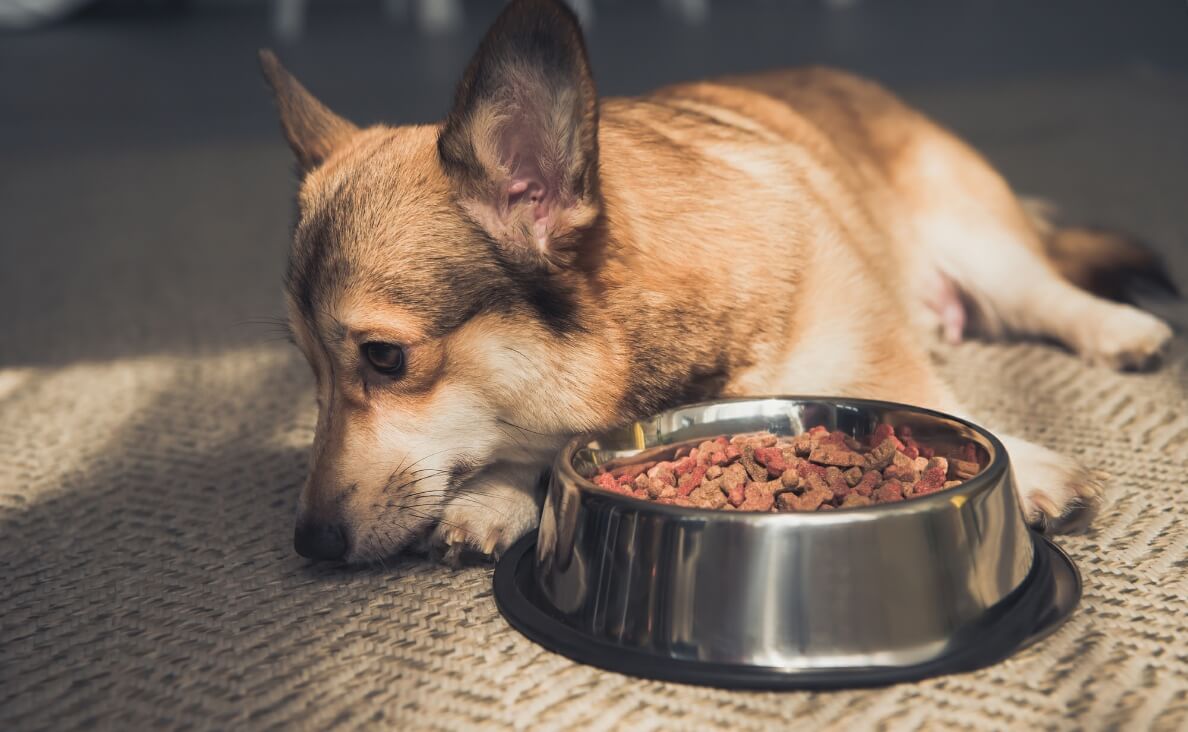
How Stress, Routine, and Environment Affect Appetite
Dogs are highly sensitive to their surroundings. Changes in environment, schedule, or caregivers can disrupt eating habits, even in healthy dogs.
A calm setting, consistent routine, and attentive care can significantly improve appetite when emotional stress is the underlying cause. Supporting emotional well-being is just as important as addressing physical health.
Preventing Appetite Issues in Dogs
While not all appetite changes can be prevented, you can reduce the likelihood of future issues by:
- Keeping feeding routines consistent
- Limiting treats and table scraps
- Monitoring dental health
- Addressing stress early
- Paying attention to subtle changes
Early awareness helps prevent minor appetite changes from becoming bigger concerns.
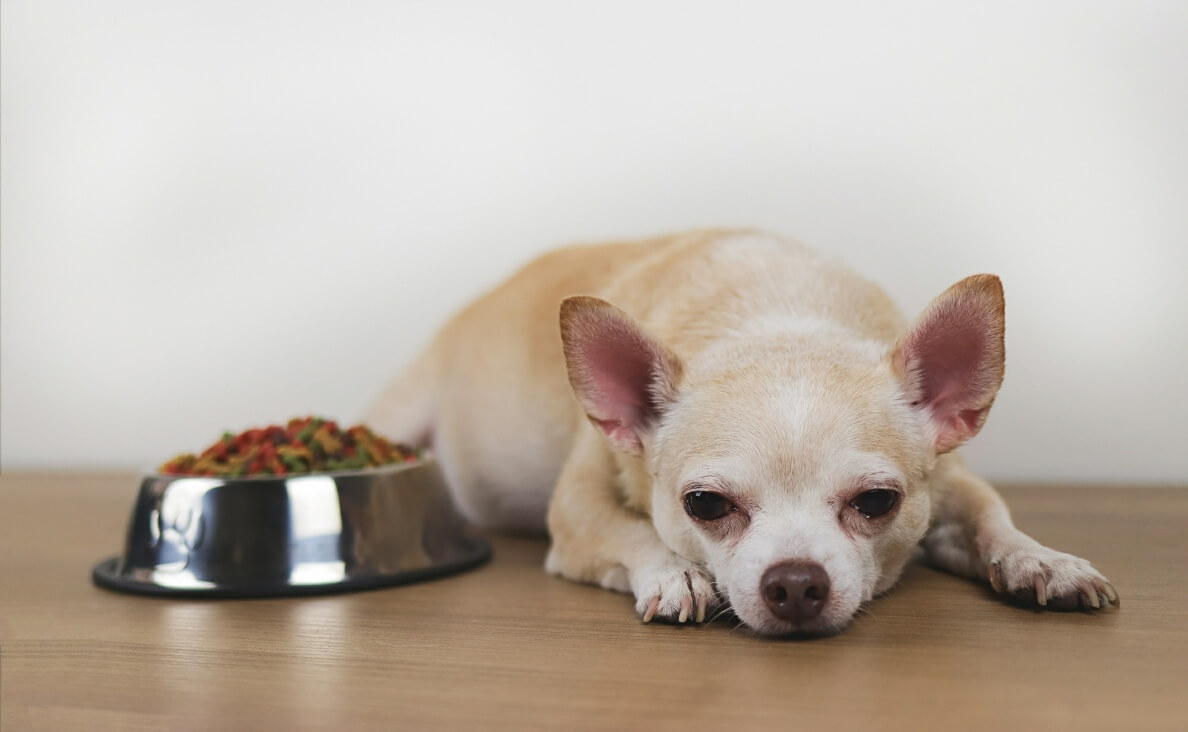
FAQs: Dog Not Eating
Why is my dog not eating but drinking water?
A dog not eating but still drinking may have mild nausea, stress, or a temporary issue. If it lasts more than a day or includes other symptoms, consult your vet.
How long can a dog go without eating?
Most healthy adult dogs can tolerate a short period of a dog not eating, but more than 24–48 hours warrants veterinary advice.
Should I change my dog’s food if they stop eating?
Frequent food changes can worsen appetite issues. Maintaining consistency is usually best unless your veterinarian recommends a change.
Is it normal for dogs not to eat when stressed?
Yes, stress is a very common reason for a dog not eating, especially during changes in routine or environment.
When is loss of appetite an emergency?
A dog not eating becomes urgent when paired with vomiting, lethargy, pain, weight loss, or behavioral changes.
Final Thoughts
A dog not eating is one of the most noticeable signals that something may be off, but it doesn’t always mean something serious. Understanding the common causes of a dog not eating, knowing what you can safely monitor at home, and recognizing when to seek veterinary care can help you respond with confidence rather than panic.
Have you ever experienced a time when your dog not eating worried you — and what ended up being the cause?
 5 Tips for Preventing Obesity in Your Dog
 Is Peppermint Safe for Dogs? Everything You Should Know
 10 Easy Ways to Improve Your Dog’s Kibble Diet
 5 Signs Your Dog Has Food Allergies
 Seamless Tips for Switching Dog Food Without Tummy Issues




Leave a Reply