
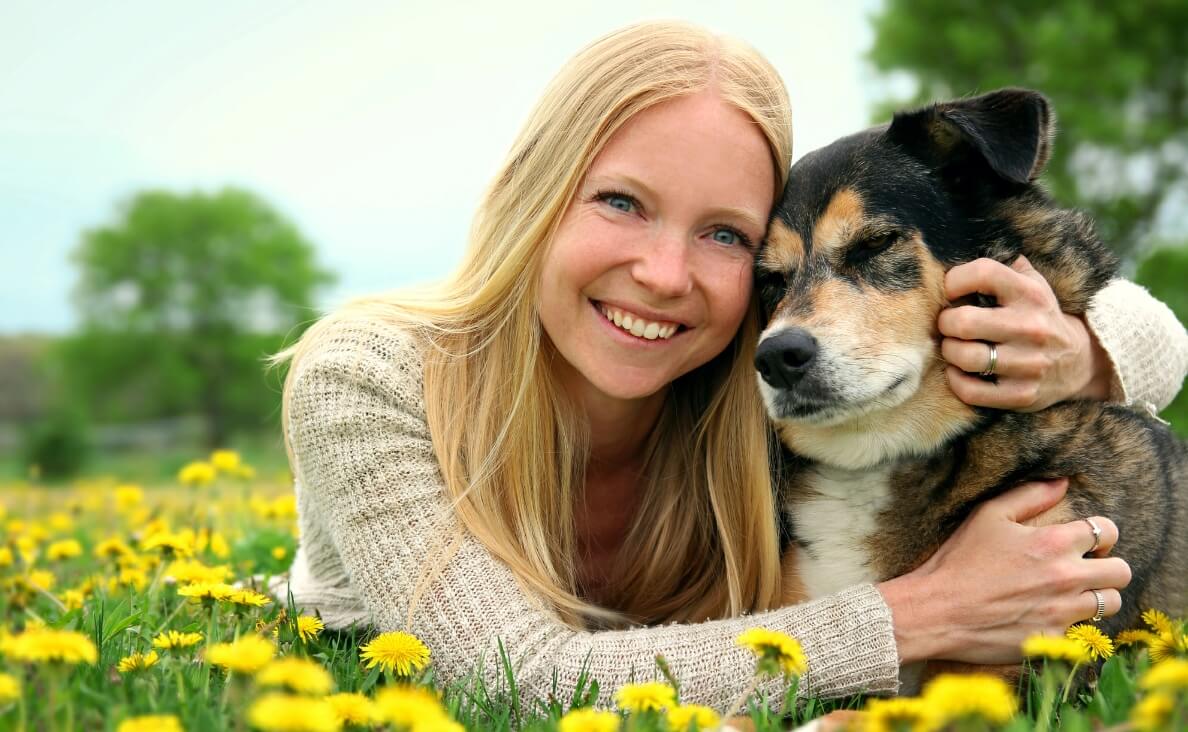
A strong relationship with your dog doesn’t come from grand gestures or perfect training—it’s built quietly, day by day, through trust, consistency, and care. When you strengthen your bond with your dog, you’re creating a foundation of emotional security that supports better behavior, deeper trust, and a happier life together.
Many dog parents want to strengthen their bond with their dog but aren’t always sure where to start. The good news is that the most meaningful connection grows from simple, everyday habits. You don’t need more hours in the day—just more intention in the moments you already share.
Below are five practical, research-backed ways to strengthen your bond with your dog and deepen the relationship you already cherish.
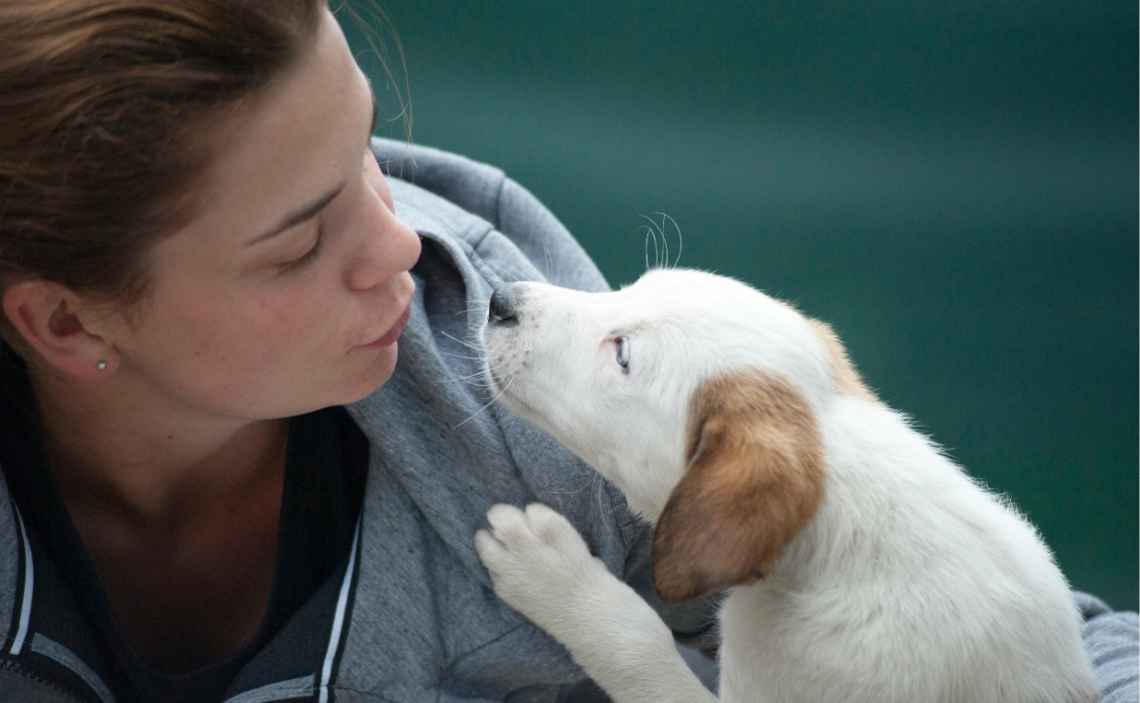
What Does It Really Mean to Strengthen Your Bond With Your Dog?
To strengthen your bond with your dog means building mutual trust, emotional safety, and understanding. It’s not about control or dominance—it’s about communication, consistency, and compassion.
Research consistently shows that a strong human–animal bond benefits both dogs and their people. According to the American Veterinary Medical Association, positive relationships built on trust and consistency support a dog’s emotional well-being and overall quality of life. These everyday interactions play a meaningful role in helping dogs feel safe, confident, and connected.
Dogs are social, emotionally intelligent animals. They thrive when they feel safe, understood, and supported. When you strengthen your bond with your dog, your dog learns that you are predictable, attentive, and responsive to their needs. Over time, this creates confidence, calmness, and cooperation.
A strong bond helps your dog:
- Feel secure in new or stressful situations
- Communicate more clearly with you
- Recover faster from anxiety or change
- Build confidence around other people and dogs
Strengthening connection isn’t about perfection. It’s about showing up, again and again, in ways your dog understands.
-
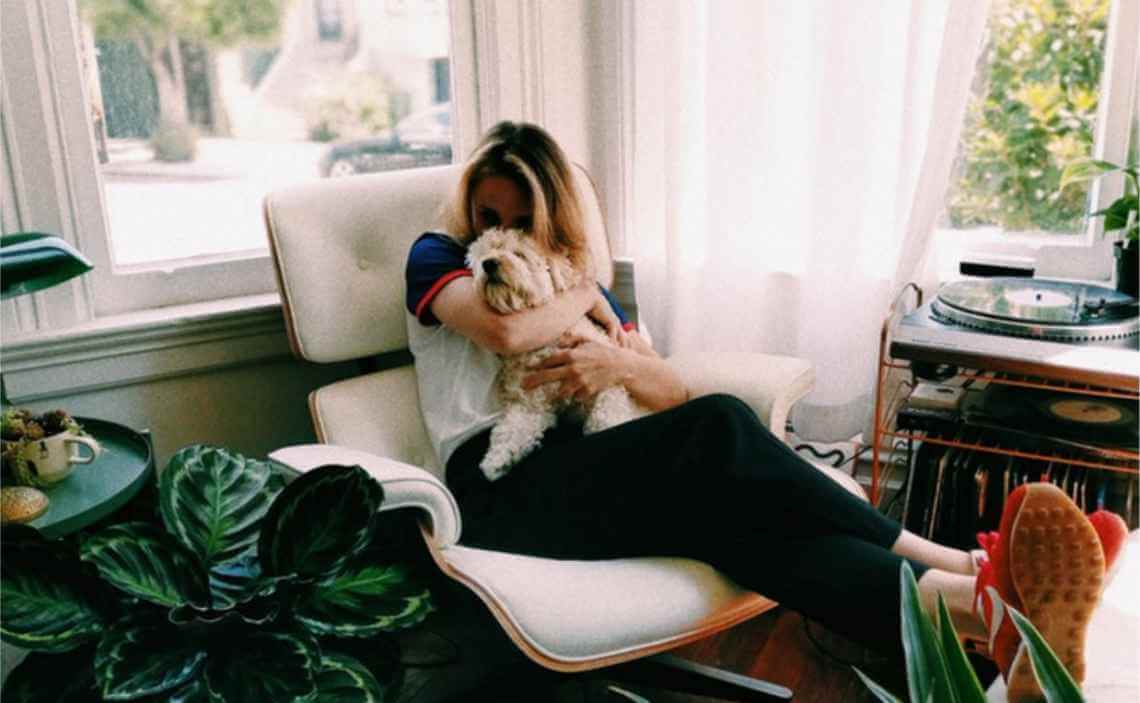
Create Predictable Routines That Build Trust
One of the most effective ways to strengthen your bond with your dog is by creating consistent daily routines. Dogs thrive on predictability. When life feels predictable, your dog feels safe.
Daily routines help your dog understand:
- When food is coming
- When walks or playtime happen
- When it’s time to rest
This consistency lowers stress and builds trust. When you strengthen your bond with your dog through routine, you are telling them, “You can rely on me.”
Routines don’t have to be rigid. Even flexible consistency—feeding around the same time, walking in the same general window, maintaining familiar bedtime rituals—helps your dog feel grounded.
A dog who trusts their routine is calmer, more confident, and more emotionally regulated. That emotional stability directly strengthens your bond with your dog.
-
Spend Quality Time Together With Full Presence
Spending time near your dog is not the same as spending quality time together. To truly strengthen your bond with your dog, presence matters more than duration.
Quality time means:
- Putting your phone away
- Giving your dog your full attention
- Letting your dog engage at their own pace
This could be a quiet walk where your dog gets to sniff and explore. It could be sitting on the floor together without distractions. It could be playtime that follows your dog’s lead instead of rushing them.
Dogs are incredibly sensitive to human attention and energy. When you strengthen your bond with your dog by being fully present, your dog feels seen and valued.
Even short moments of intentional connection, repeated daily, have a powerful cumulative effect.
Love isn’t just something dogs feel—it’s something they experience through your actions. Small, consistent gestures help your dog feel valued and secure. If you’re looking for simple, meaningful ways to show affection, our post 7 Ways to Tell Your Dog You Love Them offers easy ideas you can incorporate into everyday moments.
-
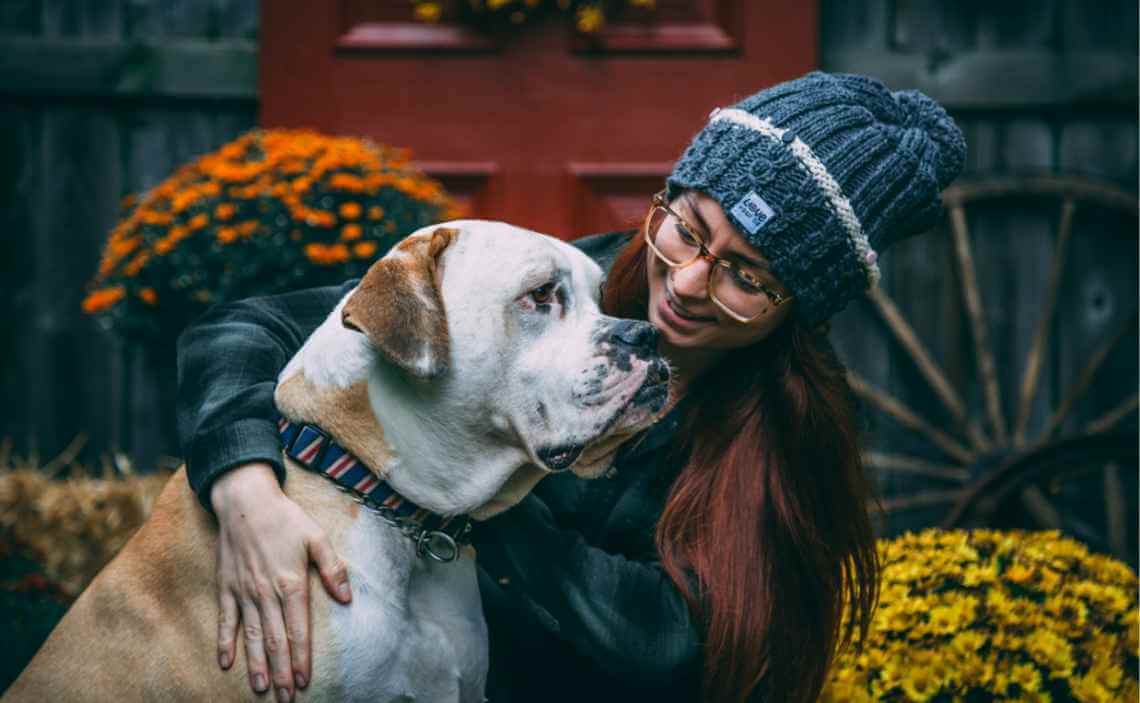
Communicate Clearly by Learning Your Dog’s Body Language
Clear communication is essential if you want to strengthen your bond with your dog. Dogs communicate primarily through body language, not words.
Learning to read your dog’s signals helps you respond appropriately and prevents misunderstandings. When your dog realizes you understand their cues, trust deepens naturally.
Key signals to watch for include:
- Relaxed vs. tense posture
- Ear position and tail movement
- Yawning, lip licking, or turning away (often signs of stress)
Your tone of voice and body language matter just as much. Calm, consistent communication makes your dog feel safe. Sharp or unpredictable responses can create confusion or anxiety.
When you strengthen your bond with your dog through clear communication, your dog learns that their signals matter—and that you are listening.
Every dog expresses affection in their own way. Some seek physical closeness, others show connection through play, eye contact, or simply choosing to stay nearby. Learning how your dog gives and receives affection helps you respond in ways that feel meaningful to them. If you’d like to explore this further, our post on understanding your dog’s love language takes a closer look at the heartwarming ways dogs communicate love and how recognizing these signals can help strengthen your bond.
-
Build Trust Through Positive Reinforcement and Gentle Care
Positive reinforcement is a powerful way to strengthen your bond with your dog because it builds trust without fear. Rewarding desired behaviors with praise, treats, or affection teaches your dog what works—without damaging the relationship.
Positive reinforcement:
- Encourages cooperation
- Reduces anxiety
- Strengthens emotional connection
This approach extends beyond training. Gentle touch, calm grooming sessions, and respectful handling all help strengthen your bond with your dog.
Touch should always feel safe and welcomed. Slow, gentle movements and reading your dog’s comfort level reinforce trust. When grooming or handling becomes a positive experience, your dog associates you with comfort rather than stress.
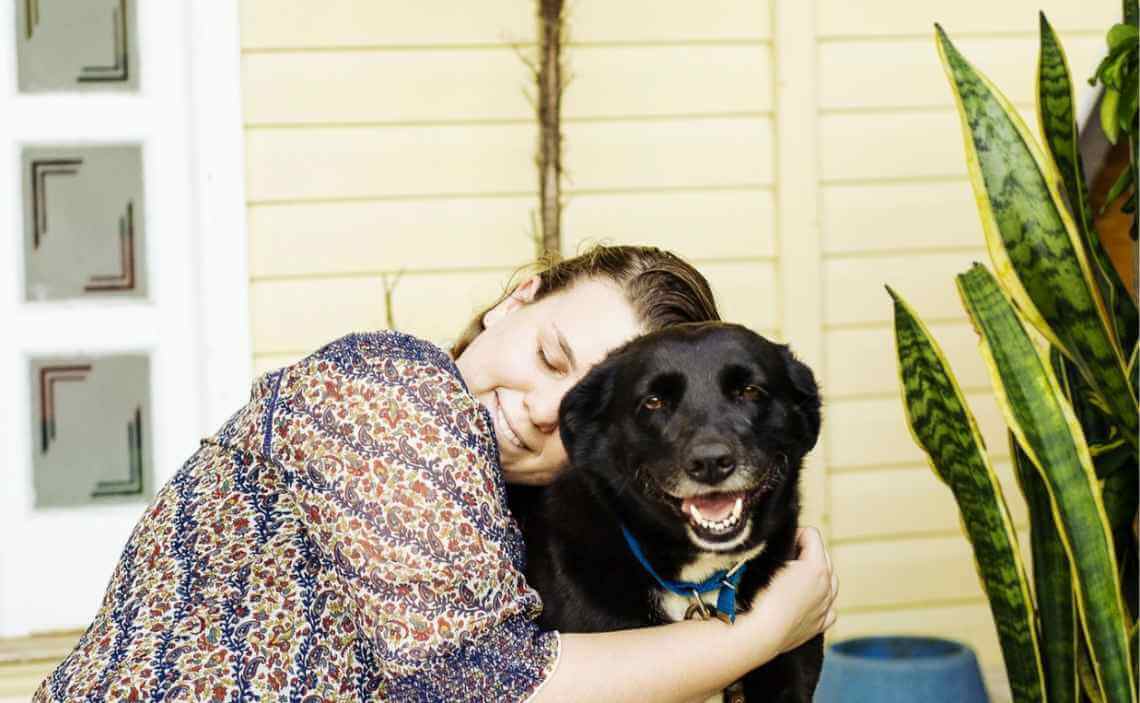
Every calm, respectful interaction is another brick in the foundation as you strengthen your bond with your dog.
-
Be Your Dog’s Best Advocate in Every Environment
One often-overlooked way to strengthen your bond with your dog is advocacy. Dogs rely on their humans to protect their comfort, safety, and emotional well-being—especially in unfamiliar environments.
Being your dog’s advocate means:
- Respecting their boundaries
- Avoiding overwhelming situations
- Speaking up when your dog needs space
This also includes choosing trusted caregivers and environments that align with your dog’s needs. When dogs have positive experiences away from home, their confidence grows—and that confidence carries back into the relationship.
When you strengthen your bond with your dog through advocacy, your dog learns that you are a source of safety everywhere, not just at home.
Signs You Are Strengthening Your Bond With Your Dog
As you strengthen your bond with your dog, you may notice subtle but meaningful changes:
- More relaxed body language
- Increased responsiveness
- Greater confidence in new situations
- Faster emotional recovery after stress
These signs reflect emotional security. A bonded dog trusts their human and feels supported even when life changes.
Strengthening connection is not linear. Some days will feel easier than others. What matters is consistency over time.
As your bond deepens, you may notice subtle behaviors that signal trust and affection. Dogs express love in many quiet ways. Our post 7 Surprising Ways Your Dog Says I Love You explores some of the lesser-known signs your dog may already be showing.
Small Moments Create Lasting Connection
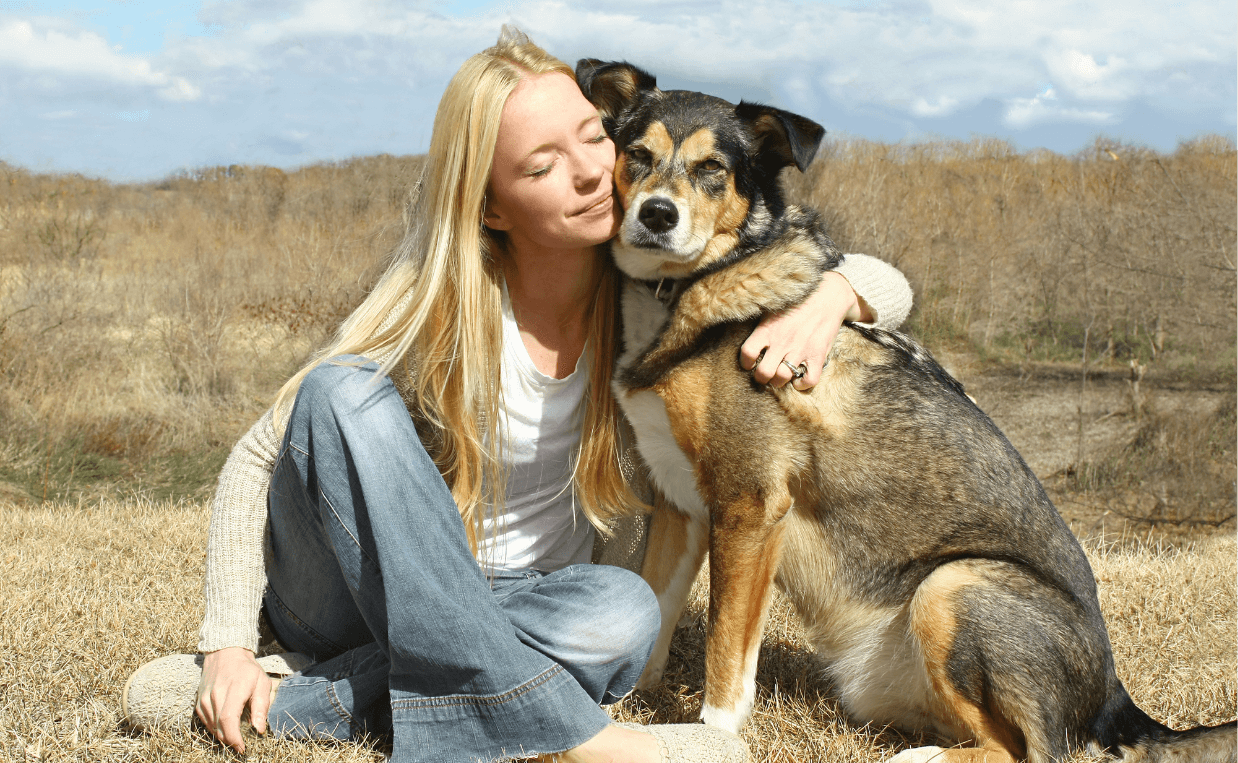
You don’t need to overhaul your life to strengthen your bond with your dog. The most powerful changes happen in small, everyday moments—feeding, walking, playing, resting, and simply being together.
As you build these everyday habits, you may start to wonder whether your dog truly recognizes your love. Dogs express understanding in subtle but meaningful ways. If you’re curious about the signs your dog already knows how much you care, our post Does Your Dog Know You Love Him or Her? Here’s How to Tell explores what that recognition looks like in real life.
When you strengthen your bond with your dog, you are investing in a relationship built on trust, patience, and mutual understanding. That bond supports your dog’s emotional health and deepens the joy you share.
Start with one habit. Practice it consistently. Let the relationship grow naturally.
FAQs
1) How can I strengthen my bond with my dog every day?
You can strengthen your bond with your dog by creating predictable routines, spending distraction-free quality time, learning your dog’s body language, using positive reinforcement, and advocating for your dog’s comfort in different environments.
2) What does it mean to “bond” with your dog?
Bonding means building trust, safety, and mutual understanding. A strong bond helps your dog feel secure, communicate more clearly, and stay calmer in new or stressful situations.
3) How long does it take to build a stronger bond with a dog?
Some improvements can happen in days, but a deep bond builds over weeks and months. Consistency matters most—small, repeated positive interactions create lasting trust.
4) Does positive reinforcement training help strengthen the bond?
Yes. Positive reinforcement strengthens the bond because your dog learns through trust and reward rather than fear. It builds confidence, cooperation, and a more secure relationship.
5) How do I know if my dog trusts me?
Signs of trust include relaxed body language, choosing to stay near you, responding to your voice, being comfortable with gentle handling, and recovering more quickly after stress.
6) What are signs my dog is stressed or uncomfortable?
Common signs include lip licking, yawning, turning the head away, tucked tail, pinned ears, stiff posture, avoiding eye contact, or trying to leave the situation. Learning these cues helps you respond supportively.
7) Can routines really improve a dog’s behavior?
Yes. Predictable routines reduce anxiety and help dogs feel secure. When your dog knows what to expect, they’re often calmer, more cooperative, and less likely to act out from stress.
8) What is the best way to spend quality time with my dog?
The best quality time is focused and calm—phone away, attention on your dog. Walks that allow sniffing, gentle play that follows your dog’s lead, and quiet time together all build connection.
9) How can I be my dog’s best advocate?
You can advocate by respecting your dog’s boundaries, avoiding overwhelming situations, giving them space when needed, and choosing safe social interactions and trusted care that match their temperament.
10) Can grooming help me bond with my dog?
Yes—when it’s gentle and positive. Slow handling, calm touch, and rewarding your dog during brushing or nail care can build trust and make grooming feel safer over time.
11) My dog is older—can we still strengthen our bond?
Absolutely. Older dogs often thrive with predictable routines, gentle enrichment, calm affection, and short, comfortable quality-time rituals. Bonding can deepen at any age.
12) What if my dog seems “independent” and not very cuddly?
That’s normal for many dogs. Bonding isn’t only cuddling—shared routines, respectful space, consistent communication, and positive experiences can strengthen connection even if your dog shows affection differently.
Audience Engagement Question
What is one small daily habit that helps you strengthen your bond with your dog, and how has it changed your relationship?
 6 Strange Dog Behaviors Explained
 6 Reasons Your Dog Ignores Your Commands Outside
 Dog Socialization During the COVID-19 Pandemic
 How to Protect Your Child From an Unleashed Dog
 How to Introduce Your Dog to a New Baby




Leave a Reply