
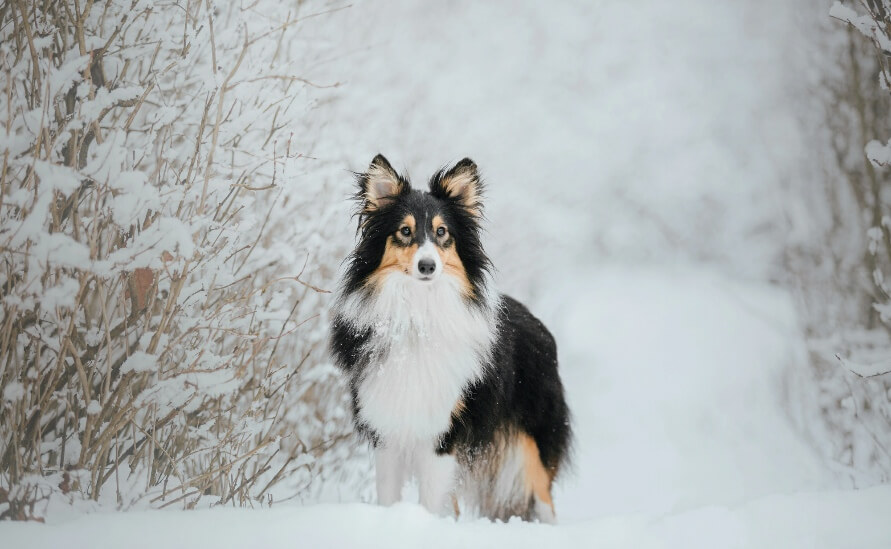
Winter can be a beautiful season, but it often brings unexpected challenges for our pets. One of the most common concerns pet parents notice during colder months is changes in their dog’s skin and coat. From dryness and flaking to irritation and discomfort, winter skin care for dogs becomes especially important when temperatures drop and indoor heating rises.
Understanding what’s normal during winter — and what may require extra attention — can help you support your dog’s comfort and health all season long. This guide to winter skin care for dogs covers common cold-weather skin issues, practical care tips, and when it may be time to call your veterinarian.
Why Winter Is Hard on Your Dog’s Skin and Coat
Winter skin care for dogs matters because seasonal conditions can significantly affect skin health. Cold outdoor air holds less moisture, while indoor heating dries the air even further. Together, these changes reduce humidity levels and make it harder for your dog’s skin to retain natural moisture. Cold weather affects dogs differently depending on their coat type, size, and overall health. If you’re unsure how much protection your dog needs outdoors, this article on Do Dogs Need a Winter Coat? can help you decide.
Dogs are also exposed to more wet conditions in winter. Snow, sleet, and rain can soak fur, leaving skin damp and vulnerable to irritation if not dried properly. For many dogs, winter skin care for dogs becomes necessary simply because their skin barrier is under more stress than usual. In addition to addressing winter skin concerns, keeping your dog safe and comfortable overall is important — for more tips on weather-ready routines and protection, see 16 Tips to Keep Your Dog Safe and Comfortable During Winter Weather.
Reduced daylight and less outdoor time may also affect coat quality. These environmental shifts make winter skin care for dogs an essential part of seasonal pet care. Winter often changes daily routines as well as the environment. Finding safe ways to keep your dog moving indoors or outdoors can support overall well-being — this post on 7 Creative Ways to Keep Your Dog Active in the Winter offers helpful ideas.
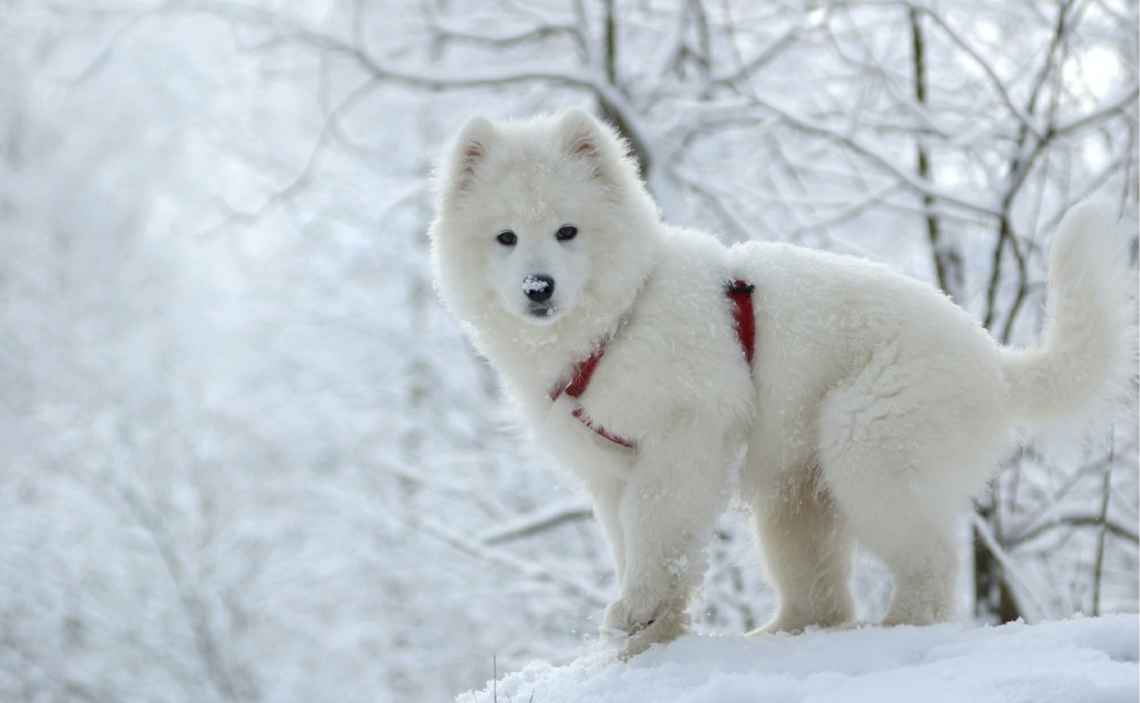
Common Winter Skin and Coat Issues in Dogs
Many pet parents notice changes as winter progresses. These are some of the most common issues addressed through winter skin care for dogs:
- Dry, flaky, or itchy skin
- Increased scratching, licking, or rubbing
- Dull, brittle, or thinning coats
- Red or irritated patches of skin
- Dry noses or elbows
- Ice balls forming in longer or feathered fur
While these issues can be uncomfortable, they are often manageable with consistent winter skin care for dogs and careful observation.
Ice Balls in Fur: Why They Happen and Why They Matter
Ice balls are a common winter problem, especially for dogs with long hair, dense coats, or feathering on the legs, chest, or belly. Snow clings to fur, melts slightly, and refreezes into hard clumps. Winter skin care for dogs should include awareness of this issue because ice balls can pull on fur and irritate the skin underneath.
Ice balls may seem like a minor nuisance, but they can trap moisture close to the skin and increase discomfort. Dogs that are active outdoors or who enjoy playing in snow are especially prone. Effective winter skin care for dogs includes gently removing ice balls and thoroughly drying affected areas to prevent irritation.
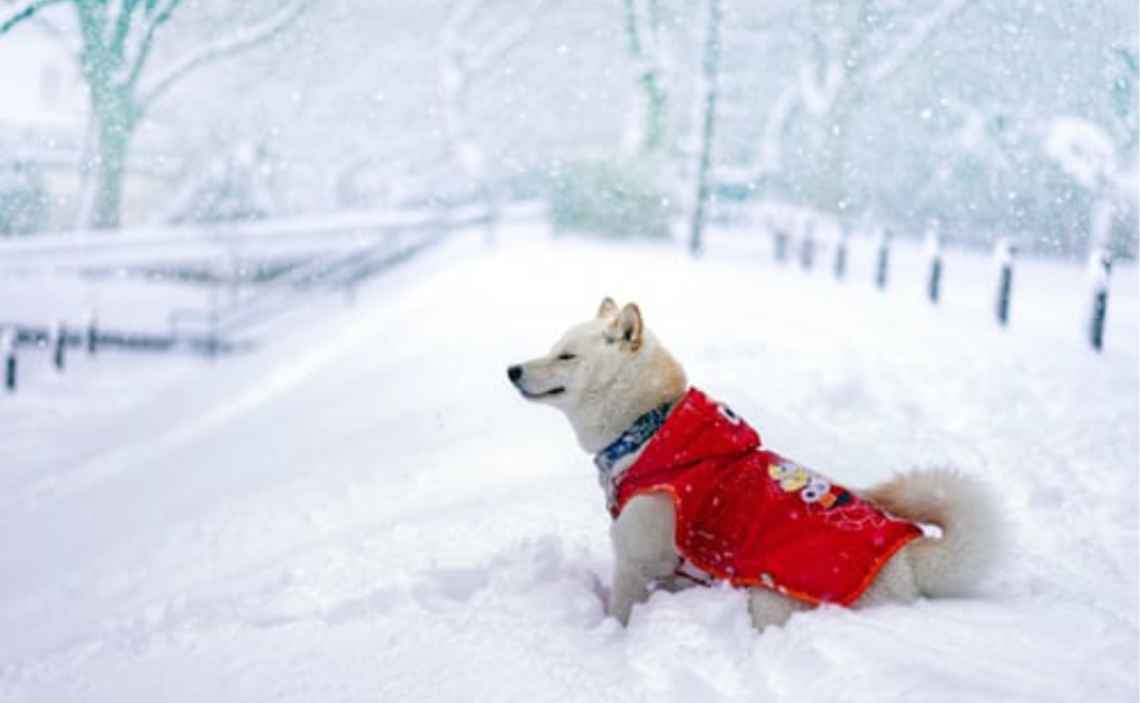
What’s Normal in Winter (and What Usually Isn’t)
A key part of winter skin care for dogs is knowing what seasonal changes are expected and which signs may indicate a problem.
Often normal during winter:
- Mild dryness or light flaking
- Occasional scratching
- Temporary changes in coat texture
- Ice balls that brush off easily
More concerning signs:
- Persistent or worsening itchiness
- Redness that doesn’t fade
- Hair loss or bald patches
- Skin that looks inflamed or sore
- Ice balls causing matting or skin irritation
Winter skin care for dogs should focus on monitoring patterns. If symptoms improve with routine care, they are often seasonal. If they worsen or persist, it may be time to take action.
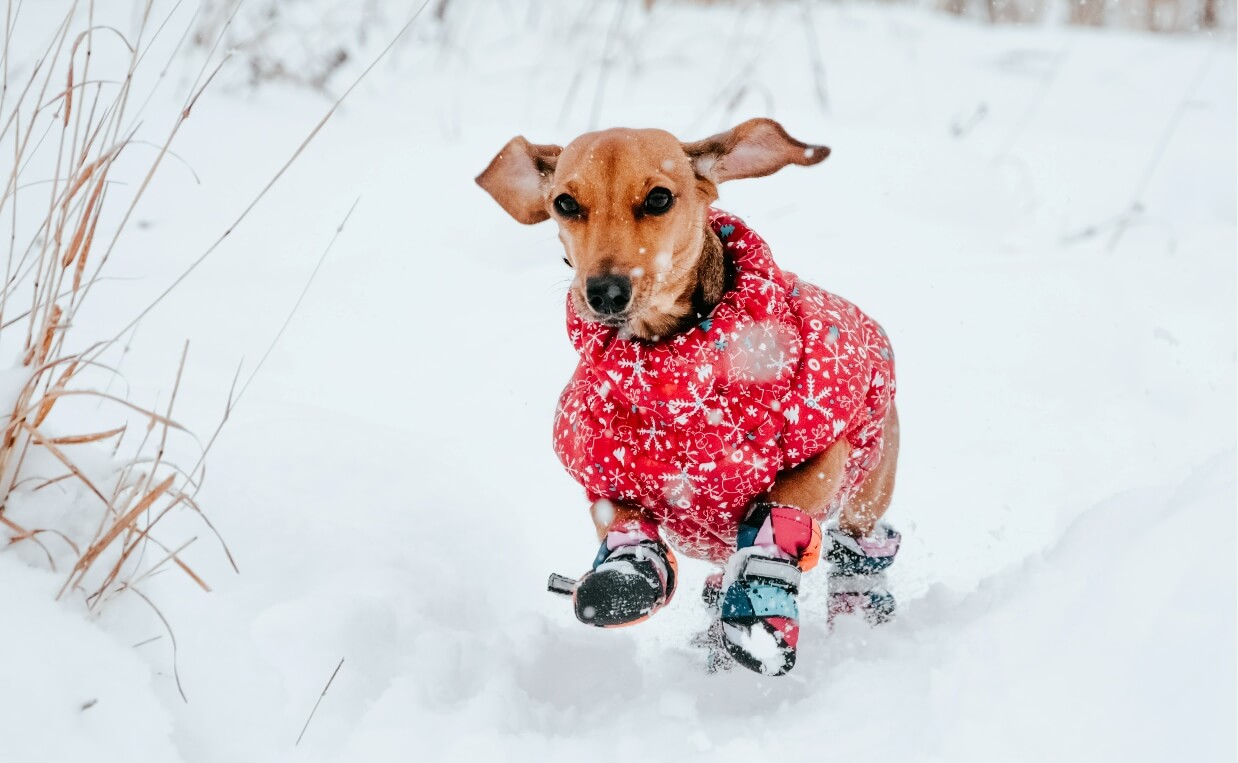
Everyday Winter Skin and Coat Care That Helps
Consistent routines make a big difference in winter skin care for dogs. Small adjustments can help protect skin and support coat health throughout the season.
Grooming Adjustments
Regular brushing helps remove dead hair, prevents matting, and improves airflow to the skin. Grooming is a cornerstone of winter skin care for dogs because it reduces moisture buildup and helps distribute natural oils.
Bathing Considerations
Overbathing can worsen dryness. Winter skin care for dogs usually means bathing less frequently and using gentle, dog-specific shampoos designed to support skin health.
Drying After Outdoor Time
Always dry your dog thoroughly after snow or rain. Moisture trapped in fur can irritate skin, making proper drying an important part of winter skin care for dogs.
Consistency Matters
Routine care, rather than frequent changes, supports healthier skin. Winter skin care for dogs works best when grooming, bathing, and drying habits remain consistent.
For winter care beyond skin and coat — including whether your dog might benefit from protective footwear — check out our guide on Does Your Dog Need Shoes for Paw Protection?
Winter conditions can also impact paw health. If you notice cracking or dryness, this guide on what to do if your dog has cracked paw pads may help, along with this comparison of dog paw balm vs wax vs butter.

Indoor Factors That Can Affect Skin Health
Winter skin care for dogs doesn’t stop at the door. Indoor environments can contribute significantly to dryness and irritation.
Dry indoor air from heating systems removes moisture from skin and coats. Using a humidifier can help restore moisture levels and support winter skin care for dogs, especially for dogs already prone to dry skin.
Maintaining a comfortable indoor temperature and minimizing overly dry air are simple but effective steps in winter skin care for dogs.
When to Be Concerned and Call Your Veterinarian
While many winter skin issues are mild, some signs should prompt a call to your veterinarian. Winter skin care for dogs includes knowing when professional guidance is needed. If you’re unsure whether a skin issue needs medical attention, the American Veterinary Medical Association offers helpful guidance on common cold-weather risks for pets.
Contact your veterinarian if you notice:
- Open sores, scabs, or oozing skin
- Strong or unusual odors
- Intense or nonstop itching
- Hair loss or bald patches
- Skin problems that don’t improve with routine care
- Signs of frostbite or cold-related skin injury
Winter skin care for dogs is about prevention and early attention. Addressing concerns promptly can prevent more serious issues.
Frequently Asked Questions About Winter Skin Care for Dogs
Is it normal for my dog’s skin to get dry in winter?
Yes. Dry skin is one of the most common seasonal changes and a frequent reason pet parents look into winter skin care for dogs. Cold outdoor air and dry indoor heating reduce moisture levels, which can lead to flaking or mild itchiness. If dryness improves with routine care, it’s usually normal.
Is it safe to bathe my dog during winter?
Bathing is safe during winter, but frequency matters. Overbathing can strip natural oils and worsen dryness. As part of winter skin care for dogs, it’s best to bathe only when needed and use gentle, dog-specific shampoos designed to support skin health.
Can ice balls harm my dog’s fur or skin?
Ice balls can cause discomfort, especially in dogs with longer or feathered fur. They can pull on hair, trap moisture, and irritate the skin underneath. Winter skin care for dogs includes gently removing ice balls and drying the fur thoroughly after outdoor time.
How can I tell if winter skin issues are more than just seasonal dryness?
Mild dryness and occasional scratching are common in winter. You should be more concerned if your dog has intense itching, redness that doesn’t improve, hair loss, sores, or skin that looks inflamed. Winter skin care for dogs includes monitoring changes and contacting your veterinarian if symptoms persist or worsen.
Does dry indoor air affect my dog’s skin?
Yes. Indoor heating significantly lowers humidity levels, which can dry out both skin and coat. Using a humidifier can support winter skin care for dogs by adding moisture back into the air and helping maintain skin comfort.
What should I do if I think my dog has frostbite?
If you notice pale, bluish, or hardened skin — especially on ears, tail, or exposed areas — contact your veterinarian right away. Frostbite is a medical concern and goes beyond routine winter skin care for dogs.
How long should winter skin issues last?
Seasonal skin changes often improve as winter conditions stabilize or when humidity increases. If skin problems last several weeks without improvement, winter skin care for dogs may need to include veterinary guidance to rule out infections or underlying conditions.

Closing Reassurance
Winter can be challenging, but most seasonal skin and coat changes are manageable with awareness and consistency. Winter skin care for dogs doesn’t require drastic measures — just thoughtful adjustments and careful observation.
By understanding common winter skin issues, supporting your dog with gentle routines, and knowing when to seek help, you can help your dog stay comfortable throughout the colder months. Winter skin care for dogs is ultimately about keeping your dog healthy, comfortable, and happy as the seasons change.
What changes do you notice most in your dog during winter — skin dryness, coat changes, or something else?
 Xylitol Poisoning in Dogs
 How to Exercise Your Dog When It’s Cold Outside
 Common Sense and a Little Extra Care for the Dog Days of Summer
 What to Do If Your Dog is Attacked and How to Prevent It
 How to Help a Stray or Lost Dog




Leave a Reply