
Dog paw care products are everywhere—from balms and butters to waxes and booties—and many pet parents are left wondering whether their dog actually needs any of them. If you’ve ever stood in the pet store aisle (or scrolled online) asking yourself Do dogs really need paw balm?, you’re not alone.
The truth is that healthy dog paws are naturally resilient. Still, there are situations where dog paw balm, wax, or butter can be helpful. This guide breaks down the differences, explains when these products make sense, and—just as importantly—when they’re unnecessary.
Caring for Your Dog’s Paws: The Basics
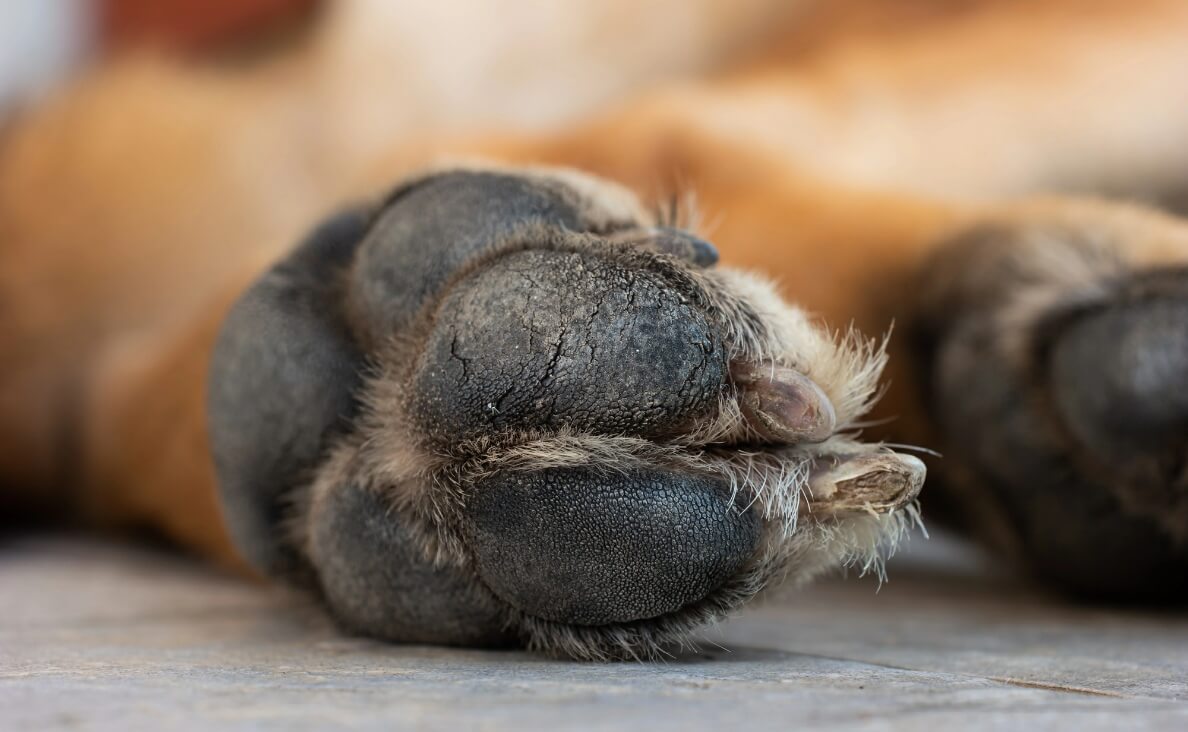
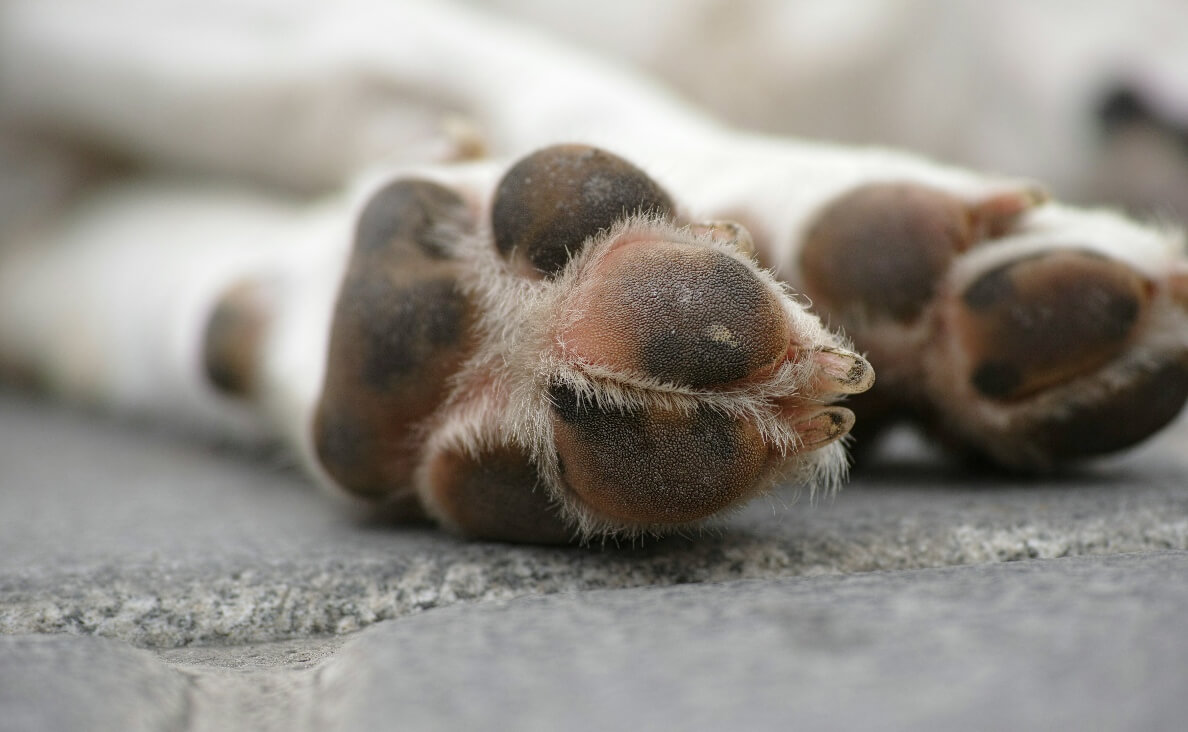
A dog’s paw pads are designed to handle a wide range of surfaces and conditions. Healthy paw pads are:
- Thick but flexible
- Slightly textured, not brittle
- Free from cracks, bleeding, or excessive buildup
Paw condition is influenced by several factors, including:
- Climate and weather extremes
- Walking surfaces (pavement, snow, ice melt, trails)
- Activity level
- Age and overall health
Routine paw care doesn’t start with products—it starts with observation. Regularly checking your dog’s paws after walks helps you notice early changes before problems develop.
What Is Dog Paw Balm?
Dog paw balm is a conditioning product designed to moisturize and support dry or mildly cracked paw pads. Most formulations are semi-solid and absorb into the skin rather than sitting on the surface.
Common dog paw balm uses include:
- Moisturizing dry paw pads
- Supporting minor cracking or roughness
- Providing short-term comfort in harsh conditions
Dog paw balm is not meant to “toughen” paws or replace natural resilience. It works best as occasional support, not a daily necessity for every dog.
What Is Dog Paw Wax?
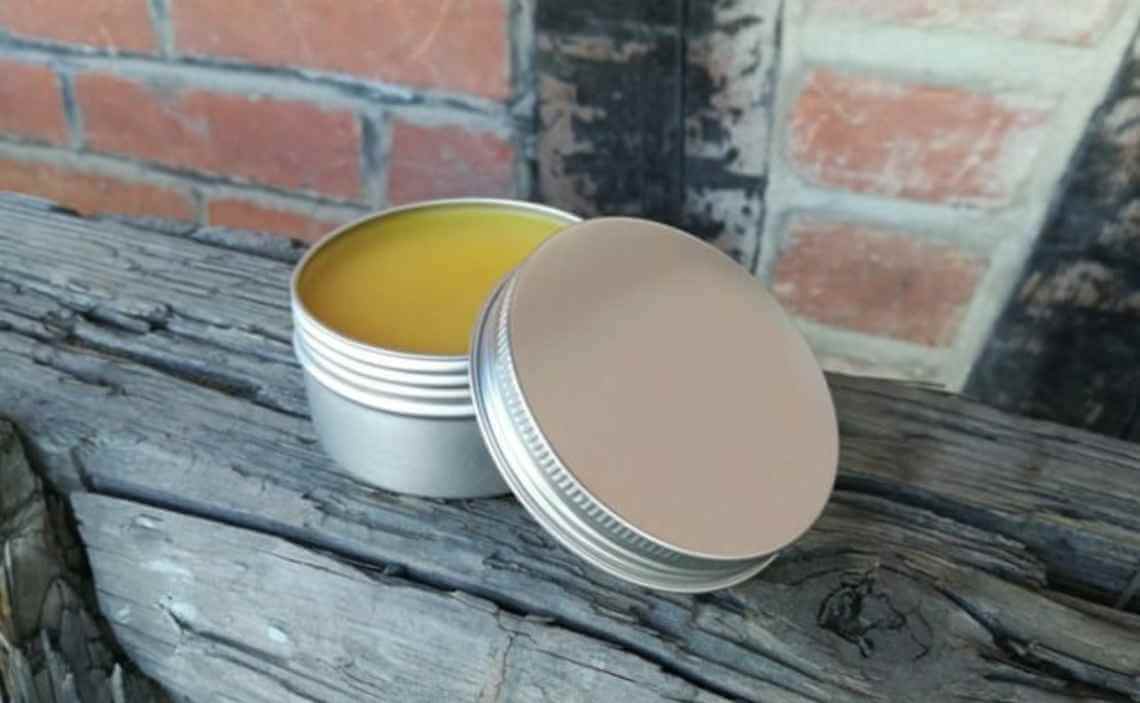
Dog paw wax is different from dog paw balm. Rather than conditioning the skin, wax creates a temporary protective barrier over the paw pads.
Paw wax may be helpful:
- In snow or icy conditions
- When sidewalks are treated with ice melt
- On hot pavement for short outings
Because wax sits on the surface, it can wear off quickly and may track indoors. It’s protective—but not moisturizing.
What Is Dog Paw Butter?
Dog paw butter is often marketed as a richer alternative to dog paw balm. In practice, the difference is usually texture rather than function.
Paw butters:
- Tend to be thicker and oil-heavy
- Absorb more slowly
- Are often promoted for “intense repair”
For most dogs, paw butter doesn’t offer meaningful benefits beyond what a well-formulated dog paw balm already provides.
Dog Paw Balm vs Wax vs Butter: Key Differences
The biggest difference between these products is purpose.
- Dog paw balm: Conditions and moisturizes
- Paw wax: Protects by forming a barrier
- Paw butter: A heavier version of balm, with similar uses
No single product is “best” for all dogs. The right choice depends on your dog’s environment, activity, and individual paw health.
Do Dogs Really Need Dog Paw Balm?
Many dogs never need dog paw balm at all.
Healthy paw pads naturally adapt to normal walking surfaces, and overusing products can sometimes cause more harm than good. Excessive moisturizing may soften paw pads too much, making them more vulnerable to abrasion.
In most cases, dogs with:
- Normal daily walks
- Indoor living environments
- No signs of dryness or cracking
do just fine without any paw products.
When Dog Paw Balm Can Be Helpful
Dog paw balm can be useful in specific situations, including:
- Extreme cold or hot weather
- Dry, rough paw pads
- Senior dogs with reduced skin elasticity
- Temporary recovery after exposure to ice melt or rough terrain
In these cases, dog paw balm should be used sparingly and reassessed regularly.
Canine Hyperkeratosis and Paw Care
Canine hyperkeratosis is a condition where excess keratin builds up on the paw pads, causing thickened, hardened skin that may crack.
Hyperkeratosis can be:
- Genetic
- Age-related
- Associated with underlying health issues
Dog paw balm may help soften the surface and improve comfort, but it does not treat the underlying cause. Dogs with suspected hyperkeratosis should be evaluated by a veterinarian to rule out medical conditions and develop an appropriate care plan.
How to Apply Dog Paw Balm Safely
If you decide to use dog paw balm, proper application matters.
General guidelines:
- Use a small amount—a thin layer is enough
- Apply to clean, dry paws
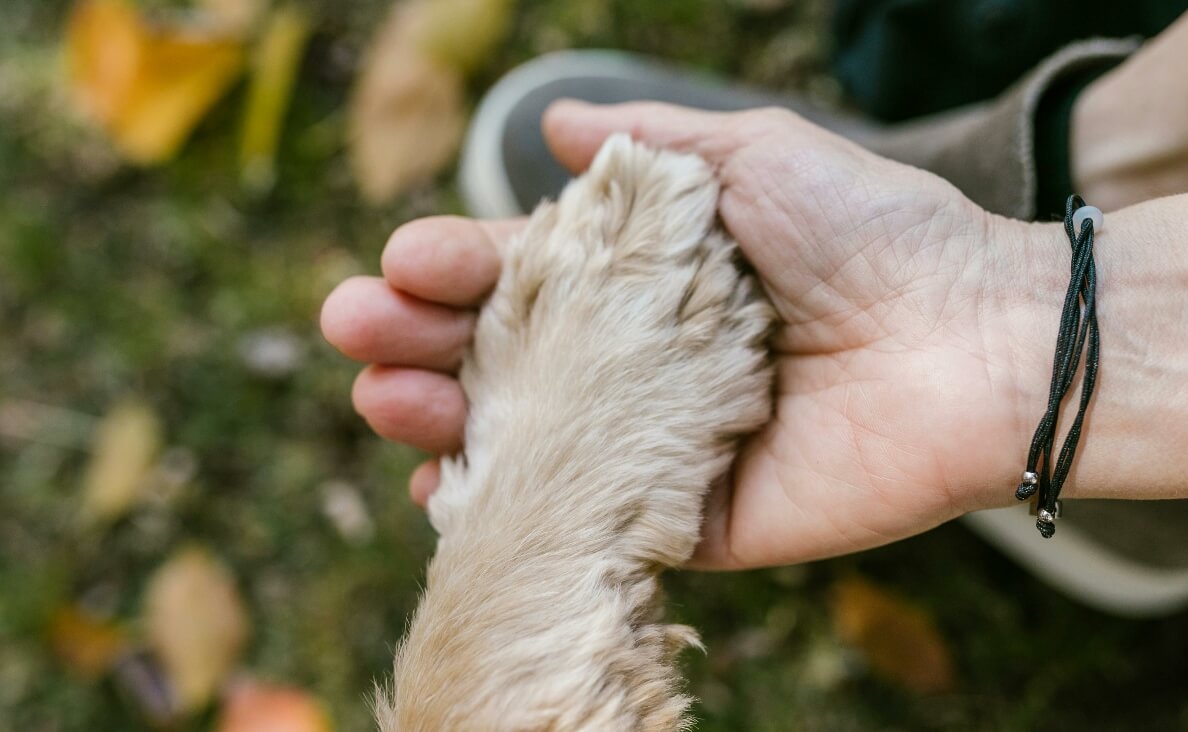
- Massage gently into the paw pads
- Allow a few minutes for absorption
Dog paw balm is usually best applied after walks, not before, so it doesn’t attract dirt or debris.
Should You Put a Sock on Your Dog’s Paw After Applying Paw Balm?
In some situations, placing a sock over your dog’s paw after applying dog paw balm can help—but it should be used cautiously.
A sock may be helpful:
- To reduce licking for a short period
- To prevent slipping on smooth floors immediately after application
Important safety tips:
- Use a clean, well-fitting sock
- Supervise your dog at all times
- Remove the sock after a short period
Socks should not be left on unattended or used overnight, as they can trap moisture and increase the risk of irritation.
Related: Why Dogs Excessively Lick Their Paws and How to Help
Dog Paw Balm Do’s and Don’ts (To Keep in Mind)
Do:
- Patch test new products
- Choose lick-safe formulations
- Monitor paws for redness or irritation
- Use products only when needed
Don’t:
- Overapply
- Use on open wounds without veterinary guidance
- Assume daily use is better
- Replace veterinary care with topical products
Related: What To Do If Your Dog Has Cracked Paws
When Paw Products Are Not Necessary
Paw products are often unnecessary for:
- Dogs that primarily walk on normal indoor or suburban surfaces
- Dogs with naturally healthy, flexible paw pads
- Dogs without signs of discomfort or damage
In these cases, regular inspection and good walking habits are usually sufficient.
How to Protect Your Dog’s Paws Without Products
Simple habits often do more for paw health than any product:
- Walk during cooler parts of the day in summer
- Avoid heavily salted or chemically treated sidewalks
- Rinse paws after exposure to ice melt or sand
- Keep fur between paw pads trimmed
These steps help prevent problems before they start.
In some situations, physical protection like dog boots may be more effective than topical products. You can learn more in our guide on Does Your Dog Need Shoes for Paw Protection?
Frequently Asked Questions About Dog Paw Balm
Is dog paw balm safe for dogs to lick?
Most dog paw balms are formulated to be lick-safe, but ingestion should still be minimized.
Can dog paw balm be used every day?
Daily use is usually unnecessary and may soften paw pads too much.
Is paw wax better than dog paw balm in winter?
Paw wax may offer better protection in snow or ice, while dog paw balm supports moisture.
Can dog paw balm help hyperkeratosis?
It may improve comfort, but veterinary care is essential for proper management.
Should you put a sock on your dog’s paw after applying paw balm?
A sock can be used briefly under supervision, but it’s not a long-term solution.
Final Thoughts
Dog paw balm, wax, and butter all have their place—but none are required for every dog. Paw care works best when it’s situational, guided by observation rather than routine product use.
Healthy paws are resilient by design. The goal isn’t to manage them constantly, but to support them thoughtfully when conditions call for it.
What signs do you watch for to decide when your dog’s paws need extra care?
 9 Reasons to Take Your Dog to the Groomer Regularly
 Why You Shouldn’t Shave Your Dog This Summer
 Why It’s Crucial that You Start Grooming Your Puppy Early and Regularly
 Common Sense and a Little Extra Care for the Dog Days of Summer
 17 Tips for Keeping a Clean House With Dogs




Leave a Reply